
‘Home in Tacoma’ promises density — but it won’t thwart gentrification. This would | Opinion
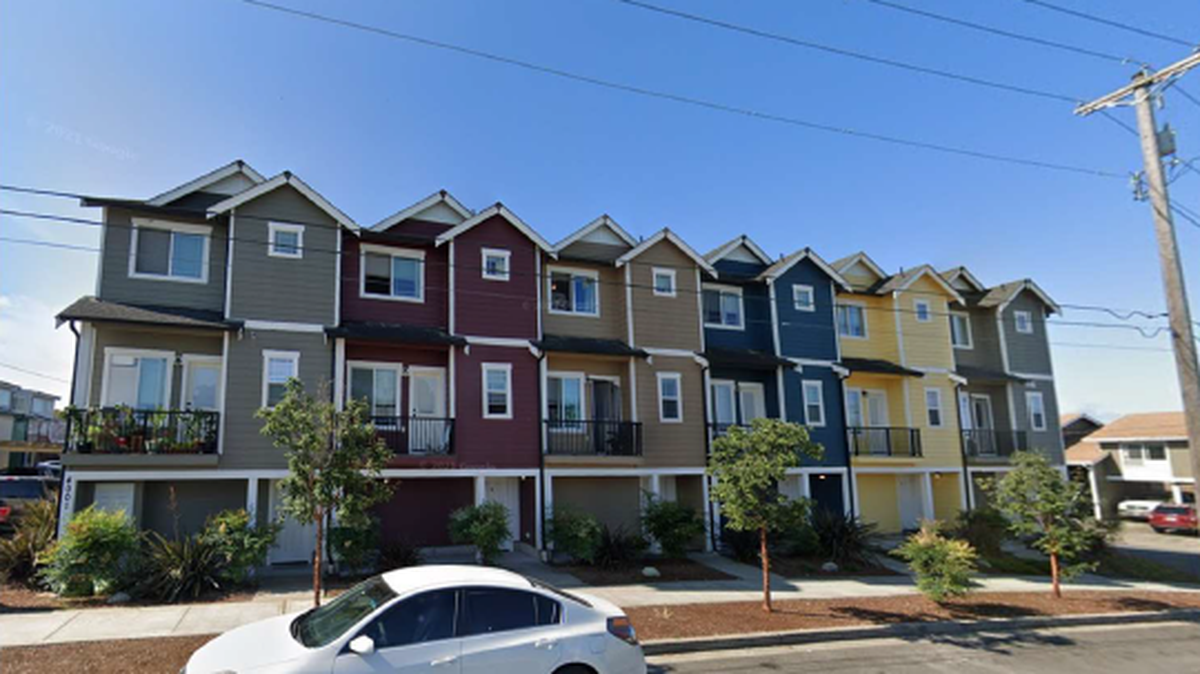
As Tacoma pursues its Home in Tacoma plan, which seeks to create affordability through upzoning to increase the number of units within our city, it’s essential to pause and consider the lessons learned from similar urban initiatives.
While the plan is admirable in its intent, several large concerns loom over our city’s future which, if unaddressed, threaten to undermine the original goal of the project: affordability and inclusion.
A primary concern of the city’s Home in Tacoma effort is the lack of a mandate for low-income units within new developments. While the plan creates incentives for including affordable options in the form of expediting permits, along with other savings for builders, at its core the plan assumes more inventory results in lower prices.
Similar initiatives in other cities yielded mixed results. Studies show that upzoning and permitting incentives alone do not lead to reduced pricing over the long term.
While housing production might increase, rents and home prices often continue on an upward trajectory. For example, Seattle’s Multifamily Tax Exemption (MTFE) has yielded questionable results and could be contributing to gentrification. Additionally, a 2023 study by the Mercatus Center found a decade of upzoning in major U.S. cities saw minimal impact on affordability.
Furthermore, research from UC Berkeley raises concerns about gentrification. Upzoning in high-opportunity areas has been linked to the displacement of low-income residents and tenants of color. Without strong protections for existing residents, the Home in Tacoma plan could inadvertently accelerate this process.
A parallel concern is that the Home in Tacoma plan fails to prioritize current residents through policies preventing them from being economically pushed out, putting our longtime neighbors at a distinct disadvantage. In our free market system, units go to the highest bidder or the people who can afford them. This oversight gives an advantage to those with deeper pockets from out of town or out of state, fostering an environment ripe for displacement. Our community members, already struggling to keep up with the escalating cost of living, find themselves on unstable ground as property values and rents surge.
For example, in the Proctor district, the prices for new one-bedroom apartments are well beyond the reach of the median Tacoma income. Such a trend is not an anomaly. It’s a call to the city’s planners to embed preventative measures against displacement into their growth strategies.
A final concern with the Home in Tacoma plan revolves around our city’s functionality. Tacoma’s infrastructure faces the task of supporting increased density. Roads, schools and utilities will become overwhelmed, leading to congestion, reduced quality of life and an additional strain on our public resources — resources already stretched thin, as evidenced by the budget cuts facing Tacoma Public Schools.
To forge a thriving Tacoma that reflects the needs and voices of all its residents, we need real solutions.
So, what steps can Tacoma take to avert these pitfalls and carve a path toward an equitable future?
- Right of First Refusal: We should consider policies incentivizing sale or rent to existing Tacoma residents. Inspired by Washington, D.C.’s Opportunity to Purchase Act, Tacoma could safeguard its current residents by giving them priority in purchasing properties up for sale, curbing displacement, and maintaining the community’s fabric.
- Anti-Displacement Strategies: Borrowing from San Francisco’s Small Sites Program, Tacoma could offer loans to nonprofits for preserving affordable housing, insulating the community from market whims.
- Inclusionary Zoning: Another San Francisco policy, mandatory inclusionary zoning would earmark a share of new developments for affordable housing, striking a balance in community development.
- Community Land Trusts: Learn from the Boston Dudley Street Neighborhood Initiative, which empowers communities to control the development of new housing and prevent displacement by taking land off the speculative market, ensuring it remains perpetually affordable.
- Investing in Infrastructure: Taking a page from Copenhagen, investing in infrastructure such as cycling paths could address the pressures of growth, fostering a livable, eco-friendly cityscape.
- Proactively invest in school budgets using predictive analytics: Tacoma should analyze areas of expected growth and factor in potential for increased children in communities. Budget should be allocated proactively based on these predictive indicators.
By integrating these strategies, Tacoma could mitigate displacement and infrastructural overload and pave the way for a future that is equitable, sustainable, and inclusive.
The Home in Tacoma plan holds promise, but only if we address its shortcomings. Let’s prioritize existing residents, create a meaningful impact on affordability and ensure responsible infrastructure development.
By embracing these solutions, we can ensure that Tacoma grows inclusively, maintaining its vibrant character while becoming a welcoming home for all.
Drew Michaels lives in the north end of Tacoma with his family. He has a background in product marketing and operations, and focuses on driving thoughtful systematic change in enterprise organizations.