
What’s ‘climate-smart’ wood? Hopefully, a big part of Pierce County’s future | Opinion
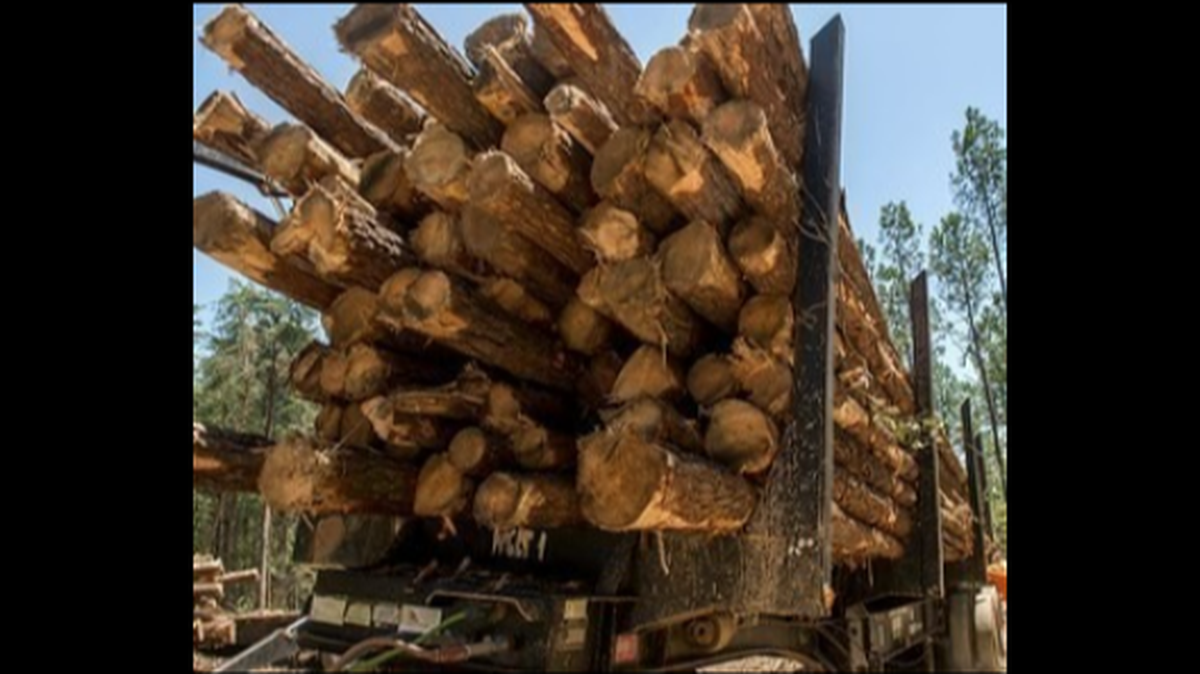
Economic development and environmental sustainability are not mutually exclusive. Thank goodness, because both are priority areas for me as a policymaker. We must rethink how we produce and consume goods in ways that support local economies and protect our precious environment.
An exciting example of just such an initiative is a new program in Pierce County called “Building the Climate Smart Wood Economy in Pierce County,” as part of USDA’s Climate Smart Commodities Grant.
Over the next five years, Pierce Conservation District, Washington Conservation Action and other like-minded partners will utilize $25 million federal dollars to create green markets, nurture business relationships and promote voluntary forest management that helps our environment and our communities. I’m proud that Pierce County agricultural and environmental leaders are collaboratively at the forefront to change the way we grow and harvest commodities from livestock to wheat and now, wood.
What is “climate-smart” wood and why is it good for Pierce County? As a land conservationist at heart, I admit I was skeptical at first. Long story short: if we must cut trees, when and how we cut matters.
Here is the simple explanation: As we all learned in school, plants take in carbon dioxide, one of the primary gasses responsible for climate change. Forests do this on a massive scale, storing carbon in their wood, leaves, roots, soil and surrounding forest plants. That’s why scientists call our forests a “natural climate solution.”
The extent to which this “climate solution” claim is true, however, depends upon which forests we log, how we manage those forests and, in particular, how often we harvest those trees.
Let me be clear that we aren’t talking here about cutting old growth and mature forests. We are talking about forests specifically managed for timber harvest.
According to a recent study, harvesting trees twice in 80 years stores a total of 57 tons per acre over a 100-year period. In contrast, harvesting them only once, at 80 years, for example, stores a total of 87 tons per acre in the same 100-year period.
Allowing trees to grow longer stores more carbon. That’s clearly good for our climate. In fact, allowing trees to grow longer could account for nearly 68% of Washington’s natural climate solutions.
This practice has positive economic benefits as well. Letting trees grow for 80 years actually boosts the amount and the quality of timber. Even better, architects and builders are increasingly seeking wood that is grown more sustainably. This means more profits for local businesses and more green jobs.
The climate-smart wood project will make connections, build relationships and help create a supply chain of more sustainably produced wood. It will also provide $1.5 million in incentive payments to landowners, sawmill operators and wood product manufacturers to encourage participation.
This project will support several other “climate-smart” forest management practices beyond growing trees longer before harvest. These include reducing the average size of harvest openings (i.e., fewer “clear cuts”), retaining more trees at harvest, managing for a variety of tree ages, sizes and species, thinning fire-prone stands, protecting streams and wetlands with forested buffers and supporting Tribal First Foods by restoring rare or declining native plant communities.
The climate-smart wood project supports a new way of doing things that aligns with efforts such as our Pierce County Sustainability goal to reduce greenhouse gasses by 45% by 2030, and the promotion of ‘good green jobs’ in Pierce County, both efforts that I have long championed.
I‘m naturally disposed towards land conservation, and if you know me, you know I’m working hard on that. However, I also recognize that timber is an important part of our rural economy and supports a lot of families and communities I care about.
When we need to harvest trees, let’s do it in a way that also helps mitigate climate change.
I hope that the climate-smart wood program will be a model and demonstrate that it’s possible for unlikely partners to come together and work towards common goals that are good for all of us.
Robyn Denson is a member of the Pierce County Council representing District 7.