
My son is one of 750,000 in Washington with a rare disease. Lawmakers failed them | Opinion
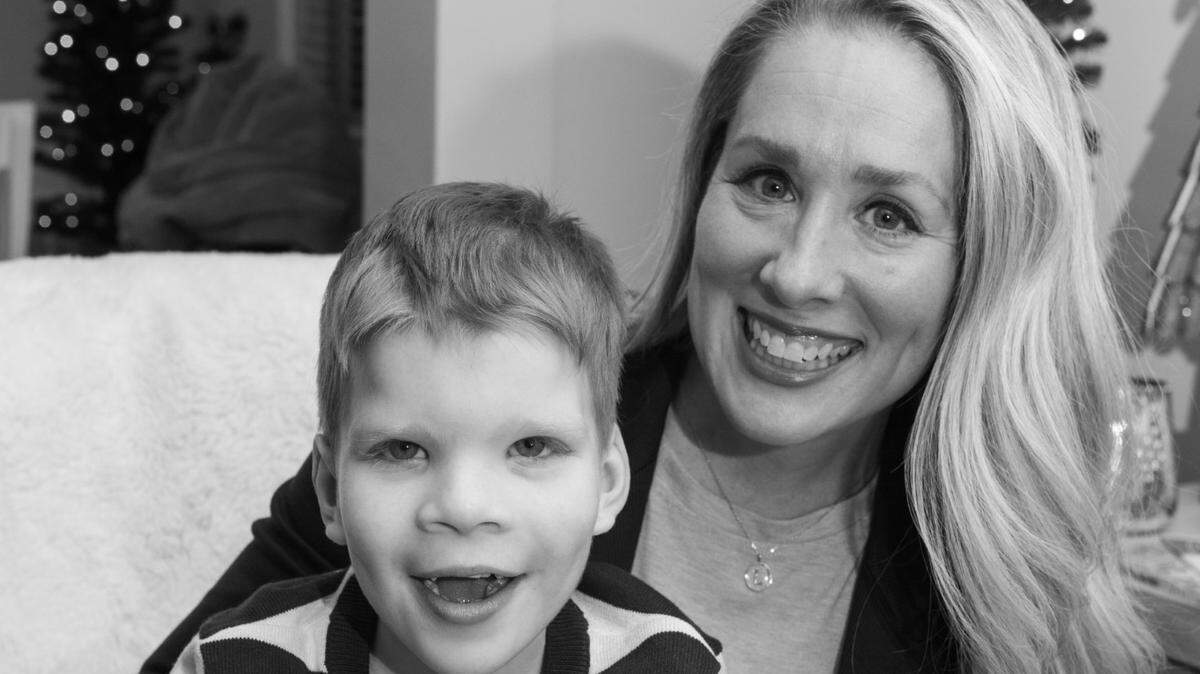
My son Owen is a rare disease patient who deserves the same access to care as every other child.
Navigating our disjointed healthcare system has made me a dedicated advocate for him and many other families in our rare disease community. We are a tight knit group of mothers, fathers, brothers, sisters, patients and caregivers — all fighting for greater access to healthcare services and better outcomes for our loved ones.
Washington state legislators missed several opportunities to make progress on issues that are important to our community this year, which would have made the pathway to diagnosis and treatment easier for families like mine.
An individual rare disease affects fewer than 200,000 people in the United States. Taken together, rare diseases impact about one in 10 people, or about 750,000 Washingtonians. Considering how many family members provide care for rare disease patients, that number climbs even higher.
Legislators failed to pass HB 1079 and SB 5097 this biennium, which would have expanded access to rapid genomic testing technology for low-income families and established a central resource to support rare disease families as they navigate our very complex, very siloed healthcare system.
It’s important to understand that most rare disease patients endure an extended “diagnostic odyssey,” a period that averages seven years where families are simply seeking an accurate diagnosis. During this time, we can see upwards of eight specialists, and typically experience two or three misdiagnoses along the way.
Given that half of all rare disease patients are children, many miss key developmental milestones while waiting for a diagnosis — where earlier access to treatment could have made a lifetime of difference. For families this would bring important peace of mind, lower long-term expenses, and less time in intensive care settings waiting for slower, sequential testing results.
We must create more accessible options for care and allow low-income families to access rapid Whole Genome Sequencing (rWGS) for undiagnosed children. When clinicians cannot diagnose a patient with conventional testing, rWGS analyzes a patient’s genome to reveal the issue. This diagnostic process saves patients and their families time, heartache and money, and can significantly improve a patient’s healthcare trajectory over their whole lifetime.
The technique access has already been implemented in California, and the results are encouraging. Rare disease patients spend fewer days in the hospital, undergo fewer surgeries and invasive treatments, and have saved thousands of dollars in out-of-pocket costs. Any way to hasten diagnoses for patients and their families is crucial.
Since Owen was diagnosed, I have done all I can to advance policy as both an individual and as a member of the rare disease community. We have made great strides in creating better health outcomes for those who have rare diseases — and I could not be prouder of what we’ve accomplished together. Taking this advocacy work to the next level, however, requires establishing a full-time, organized entity representing the needs of the rare disease community.
That is why I was disappointed when our legislators failed to pass SB 5097, to establish a permanent rare disease advisory council (RDAC). Twenty-two other states have already established RDACs comprised of patients, caregivers, healthcare providers, researchers and rare disease issue experts. The RDAC would be a permanent advocacy voice working on behalf of rare families to inform and guide future policy development efforts with rare disease prevalence reports.
While it’s disappointing that Washington state failed to pass these legislative priorities, we did have some opportunities to engage with lawmakers and help raise awareness around the needs of our community.
Thanks to Sen. Phil Fortunato, R-Auburn, a resolution recognizing the needs of rare disease patients was adopted this Feb. 29, Rare Disease Day.
Owen — and children like him across the state — deserve better diagnostic options and a dedicated advocacy council to advance policymaking efforts in partnership with families.
Lindsey Topping-Schuetz is a rare disease mom, grassroots advocate, and board member of the NW Rare Disease Coalition. She lives in Puyallup with her son, Owen ,and husband, Ben.