
REI sells itself as a co-op. But it mistreats workers like a corporation. You can act | Opinion
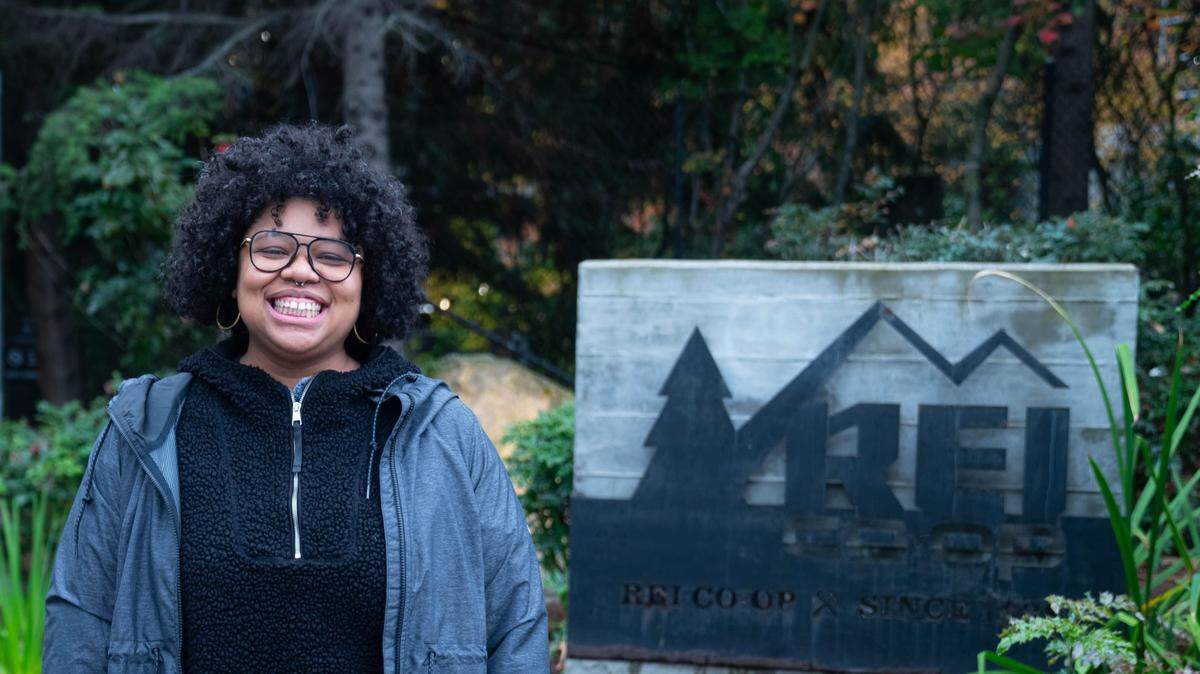
Many of us make careful choices about where we spend our money, whether it’s holiday gifts, everyday essentials or special supplies for the activities we love to do. Are we buying goods and services from companies that align with our values, or, are we inadvertently supporting businesses whose practices don’t match their marketing claims?
“Greenwashing” is nothing new. Most of us are unsurprised to learn that the environmental track record of corporations like Mcdonald’s, Coca Cola or Ikea doesn’t live up to their eco-friendly marketing. Same goes for “bluewashing,” a newer term describing businesses that cloak themselves in social and economic responsibility imagery, but when the curtain is pulled back, reveal a track record of unethical supply chains or disrespect for workers.
As a lifelong lover of adventures in the wild and a climate justice advocate, it’s personally disappointing to see that even one of our own Northwest icons, REI, has become far more corporate than co-op.
A basic principle of a co-operative business model is to give members a say in how the business operates, but over the past twenty years, REI executives have moved to limit co-op member power in favor of executive rule. For example, in 2002, REI’s board voted to set its own compensation.
New board members are from companies like Exxon Mobile, Starbucks and McKinsey Consulting. By 2005, the board voted to only allow pre-selected candidates to run for the board. Not exactly a pillar of democratic practices. In contrast, members of another local co-op, PCC Community Markets, elected two workers to their board in 2021, and in 2024 PCC workers won their largest wage increase ever.
REI has fired dozens of workers for union organizing at stores all around the country. The company has taken away annual raises and bonuses from employees at unionized stores, and they threaten to do the same to freeze union organizing in other stores. There are 35 open unfair labor practice charges filed against the company, for illegal layoffs and firings to coercion and intimidation around union activity.
REI recently announced it was laying off hundreds of employees, eliminating the experiences, tours and classes so valued by members. Employees say the co-op is coercing, retaliating against and firing workers they suspect of unionizing.
At the Bellingham store, workers voted to unionize more than a year ago, but they have been blocked from achieving workplace improvements by an expensive union-busting firm, Morgan Lewis, which has represented Donald Trump and Amazon. Currently, Morgan Lewis is representing SpaceX in a case that would declare the National Labor Relations Act unconstitutional, taking away workers’ legal rights to organize unions.
The mountain climbers who founded REI as a co-op nearly 90 years ago would be appalled by the company’s poor treatment of its own employees today. REI markets itself as a “progressive” co-op, an outdoor industry leader in sustainability, but they have clearly lost their way. A recent report by researchers at UMASS found serious issues with REI’s supply chain, including: violations of workers rights at factories that supply REI, including forced labor, forced overtime, sub-poverty wages, discrimination and retaliation.
We all want to live in a community and an environment that is resilient, beautiful and thriving. REI should be leading the way with socially and environmentally ethical and sustainable practices, not blocking progress by union-busting and silencing the voices of its own employees.
This is not the REI I know and love, so I’m running for the people in green vests who make REI great but who are not allowed a voice on the co-op’s board of directors. REI co-op members can help bring REI back to its roots by supporting board candidates who pledge to ensure the company walks their talk on sustainability and worker rights. Until REI returns to its founders’ vision and co-op principles, we can also vote with our dollars, taking our spending to businesses that walk the talk of values that are important to us.