
Wood is key to building. Importing it is worse than responsible Washington logging | Opinion
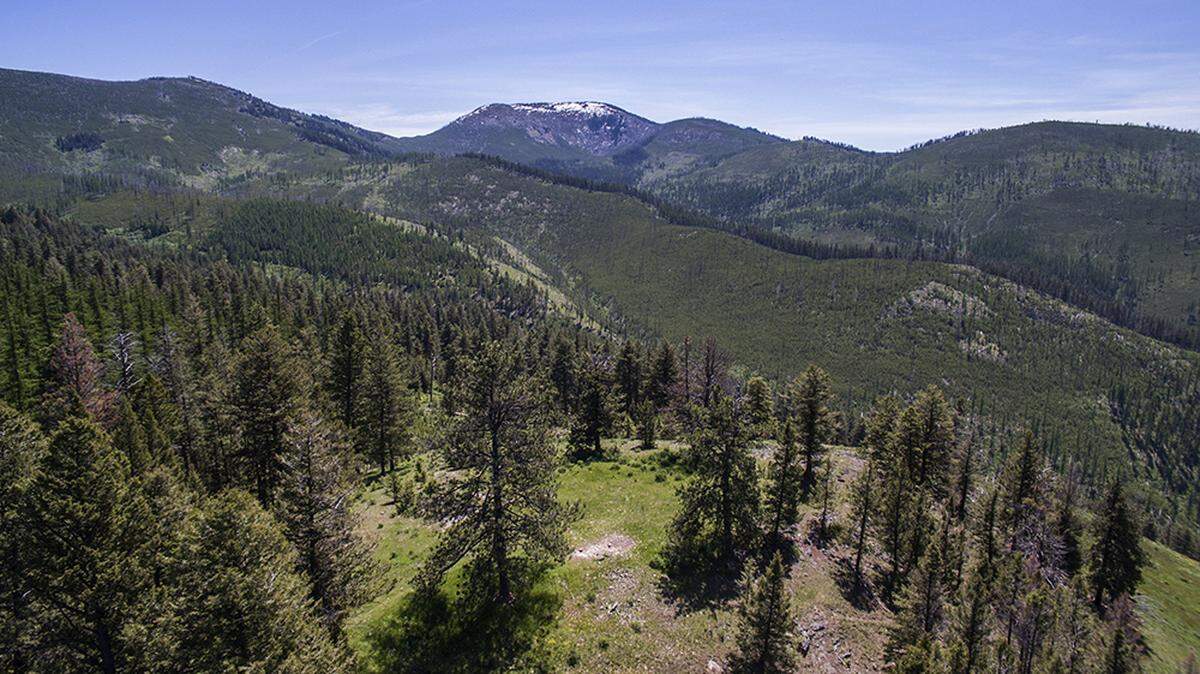
The Pacific Northwest is fortunate to have vast forests and ideal conditions for growing trees quickly. These forests have long been a cornerstone of our rural economies while also protecting streams, sequestering carbon and supporting wildlife. However, we face a troubling trend: a decline in local timber production and a growing reliance on imported lumber. We use science for active forest management with the toughest regulations in the world, we do forestry the best here. It’s time to prioritize local timber and rebuild a robust, sustainable industry right here in Washington.
I come from a logging family and grew up in a logging camp in Alaska. The timber industry throughout the Pacific Northwest has historically provided family-wage jobs in communities across the state. By supporting the timber infrastructure, like local mills and forestry operations, we can thrive within Washington and Oregon. This would allow for these places to be more resilient.
Fifty percent of our state timberlands have already been placed into conservation. By harvesting and replanting the remainder, we provide millions of dollars to cash-strapped schools and other local taxing districts. In some cases, it is a choice between a tree (that is replanted) or a teacher.
The recent move to place some timber sales on hold jeopardizes the Department of Natural Resources’ capacity to do this in the future and maintain a steady pace. There are only so many public employees preparing timber sales for auction
We need political courage to follow the science. Actively managed forests also make our communities more resilient to climate change. When dead and dying trees are left to rot, they will eventually release the carbon they previously stored. Additionally, they become fuel for catastrophic wildfire that harms our environment and threatens lives. Instead, we can continue to manufacture wood products for carbon-storing housing and other structures while replanting our forests to ensure vigorously growing trees will continue to scrub more carbon from the atmosphere.
Our Pacific Northwest forests are managed under some of the strongest science-based forest protections in the world, ensuring sustainable harvesting practices and safeguarding water quality for people and fish. By contrast, imported lumber may come from regions with weaker or nonexistent environmental standards. Supporting local forestry means supporting environmental stewardship you can trust.
Beyond the harvest, greater freight distances for building products add to our carbon footprint. Sourcing timber regionally reduces transportation emissions, making local wood an even more sustainable choice.
One initiative helping drive this transition is the Washington Mass Timber Accelerator, which aims to make mass timber the default choice for K-12 school construction in Washington and beyond. The Accelerator provides resources, tools, and a strategic roadmap to help school districts confidently adopt mass timber for new facilities. By reducing barriers and creating a supportive ecosystem, the program envisions at least 50 mass timber schools in Washington by 2030, significantly increasing demand for local wood products.
With support from the USDA Forest Service, and local manufacturers, the Accelerator is paving the way for sustainable, cost-effective school construction. Not only does mass timber create a healthier learning environment, but it also delivers measurable benefits for climate, carbon storage, and educational performance.
Prioritizing local wood production is a win-win for the Pacific Northwest. Wood is good, but local wood is best if we want to restore a vital, create economic stability and protect our environment.
This story was originally published March 26, 2025 at 5:00 AM.