
If Congress slashes health care for poor people, Tacoma will suffer | Opinion
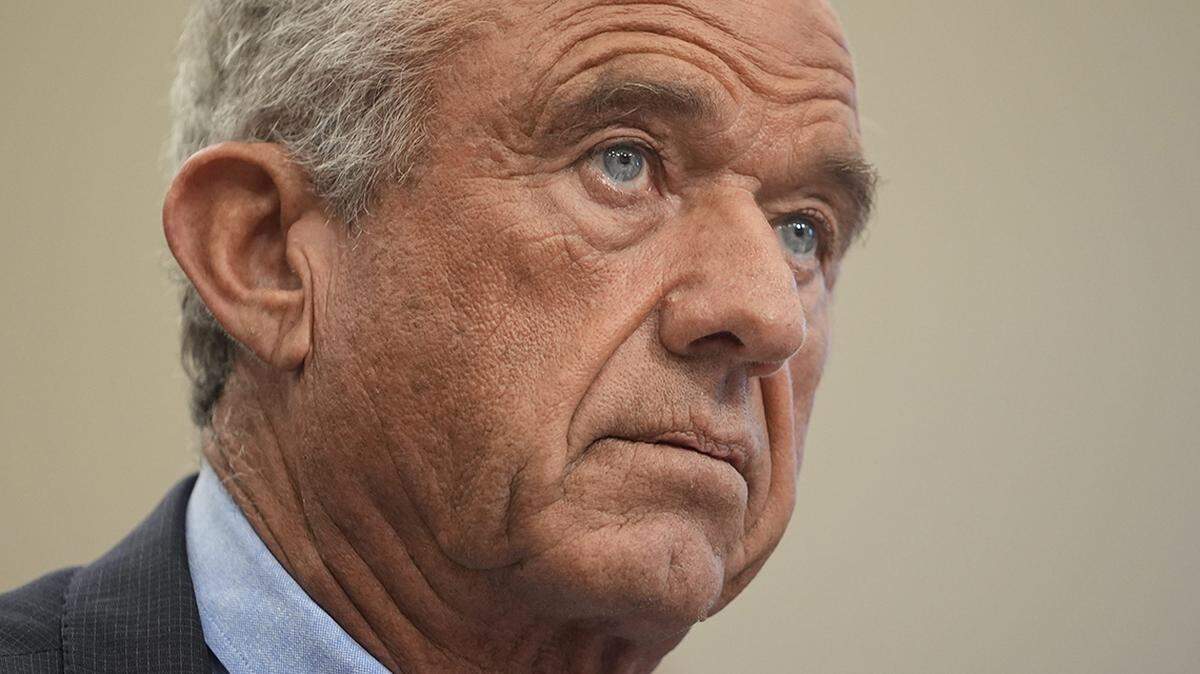
“Medicaid is robbing the poorest Americans,” Robert F. Kennedy Jr.’s pronouncement at his Senate confirmation hearing this January doubled down on the idea that our country’s largest public health insurance program is somehow harming the people it serves.
He’s not alone in this narrative. President Donald Trump has repeatedly advocated for plans to slash Medicaid, and his allies in Congress are pushing proposals to tighten eligibility and impose work requirements. House Republicans have been drafting budget proposals that include major cuts to Medicaid funding.
But here’s the reality ━ Medicaid saves lives. Like it did for my grandfather. Medicaid helped him survive multiple strokes and heart complications, giving him time, grace, and more life than he might have had without it.
Medicaid also shields families from financial ruin and strengthens the economic foundation of our communities.
If we care about public health and economic stability, defending Medicaid should be non-negotiable. It’s one of the smartest investments our country can make. The attempts to dismantle it aren’t just misguided - they threaten the health, dignity, and financial security of millions of Americans.
Medicaid currently covers over 70 million people in the U.S., including 2 million in Washington state alone. It benefits low-income families, children, seniors in nursing homes and individuals with disabilities. And the evidence shows it works.
On the medical side, research published in the New England Journal of Medicine found that expanding access to Medicaid led to 6% lower mortality rates among low-income adults, along with more regular doctor visits and greater use of preventive services. The Oregon Health Insurance Experiment further showed that Medicaid coverage improved mental health outcomes.
According to research by the Commonwealth Fund and the Oregon Health Insurance Experiment, Medicaid also reduces medical debt, improves financial security, and prevents families from falling into poverty due to unexpected healthcare costs. In Washington State, Medicaid has also helped stabilize hospital finances and reduce the use of uncompensated care.
Why would anyone want to cut it?
Critics claim that Medicaid is inefficient, encourages “dependency” and drains state budgets. Yet Medicaid administrative costs are far lower than those of private insurance, and there is no evidence that the programs discourage work. Most adult enrollees are already working, caregiving or enrolled in school. The federal government covers between 50% and 78% of Medicaid costs, depending on the state, and while some critics argue that the federal share is unsustainable, the evidence shows that Medicaid remains one of the most cost-effective ways to provide healthcare to vulnerable Americans.
Ironically, many of the states whose leaders are pushing to cut Medicaid are the ones who depend on it the most. As a recent New York Times analysis found, Republican-led states that expanded Medicaid have seen the largest benefits, especially among rural and low-income communities. Cutting Medicaid would not only take healthcare from at-risk families but also destabilize local economies.
Let’s be clear: cutting Medicaid won’t fix our healthcare system — it will make things worse. It means more untreated illnesses, more medical debt, and more hospitals struggling with uncompensated care. Medicaid isn’t an abstract policy, it affects the lives of millions ━ like my grandfather. It isn’t about handouts; it’s about giving everyone a fair chance at health and dignity.
Call your members of Congress. Tell them Medicaid is not up for debate. It’s not perfect, but it’s essential. Losing Medicaid means losing lives, security, and the promise of basic human dignity. We can’t let that happen.