
Revitalizing the Thea Foss Waterway is key for Tacoma. This plan won’t | Opinion
AI-generated summary reviewed by our newsroom.
- Thea Foss Peninsula remains a blighted industrial zone limiting Tacoma’s growth.
- Revitalization proposal urges esplanade, mixed-use zoning and flexible industry.
- Urban redevelopment could boost housing, business revenue and city livability.
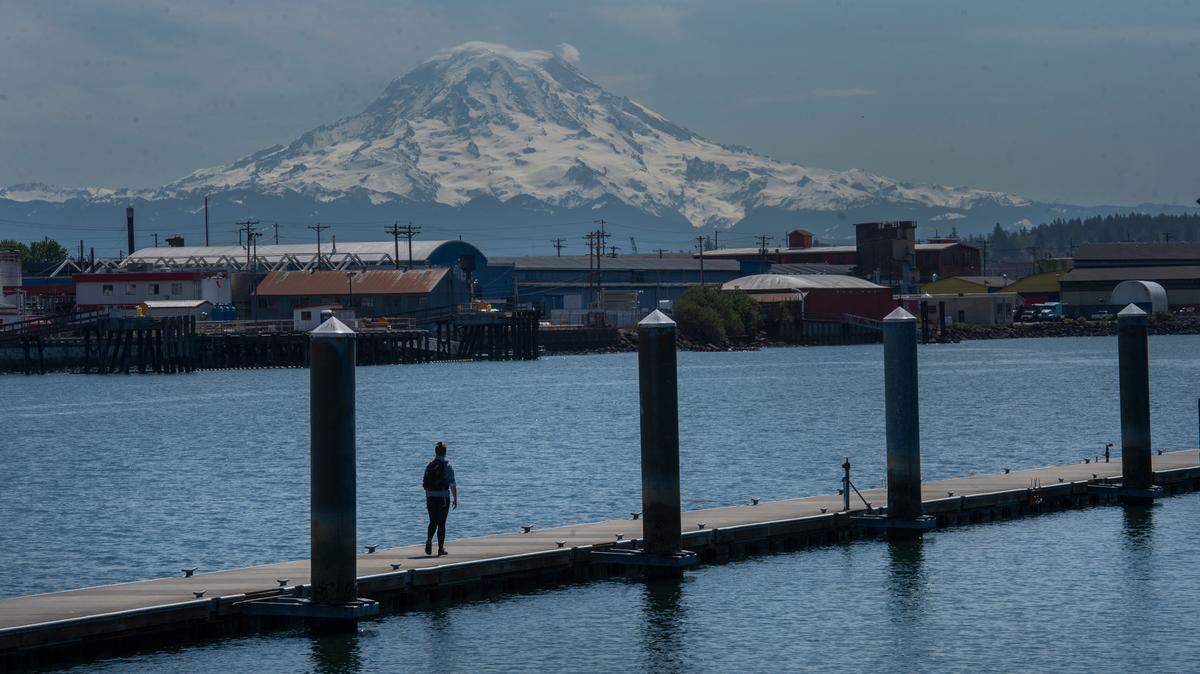
Stand in downtown Tacoma and look east. Before you can gaze upon the snow-capped peak of Mount Rainier, you must look past the Thea Foss Waterway and the land behind it: a zone of vacant lots, crumbling buildings and rusting truck trailers.
The heavy industrial district remains an EPA Superfund cleanup site, and is home to an ICE detention center and an abandoned pulp mill that off-gassed the sad phrase “The Aroma of Tacoma.”
This blighted peninsula has not just damaged Tacoma’s reputation for decades, but also has done serious harm to the city’s economy and livability. Few people want to live in apartments or condominiums in downtown Tacoma that overlook industrial decay. What in many other cities would be a walkable waterfront, with restaurants, shops and housing for locals, is a watery trench in Tacoma.
But for the first time in generations, the residents of Tacoma have an opportunity to clean up and improve this part of the city. Unfortunately, the Tacoma Planning Commission has decided, after years of study and significant amounts of money spent on analysis, that the land should mostly be zoned the same: as a reservation for last century’s heavy industry.
The Tacoma City Council should reject this plan when it is submitted to them in July and instead revitalize this critical core of the city. Broadly speaking, Tacoma should do three things: build an esplanade around the entire Thea Foss Waterway; allow the construction around that walkway of mixed-use, mid-rise buildings — structures that can be used for residential, commercial, office or retail purposes — and rezone the rest of the Thea Foss Peninsula for flexible-use light industry.
Although it might not seem like it, what happens on the Thea Foss Peninsula has serious consequences for the rest of Tacoma, including suburban homeowners who live miles away.
As Tacoma has a shortage of thousands of homes, when its urban core sits half empty because people find living near an industrial zone unappealing, residents instead look for housing in other suburban parts of the city. That crowds the suburbs - driving up home prices and creating more traffic on neighborhood streets.
A downtown without residents is also not attractive for businesses. Big corporations establish offices in urban areas to recruit from a large labor pool of diverse, skilled professionals. Smaller businesses, such as restaurants, cafes, bars and retailers, also need a critical mass of those workers and residents to generate consistent revenue. Sales tax revenue from those businesses could go to the city of Tacoma to improve our roads, beautify our parks and fight homelessness, among many other benefits. But, instead, these millions of dollars go to other cities.
Revitalizing the Thea Foss Peninsula can be a force multiplier for revitalizing all of Tacoma. And, to kick start the initiative, the city of Tacoma should build an esplanade around the Thea Foss Waterway that would be accessible to the public and would connect to surrounding ground-level restaurants, retail and residential units. A Thea Foss Esplanade would be a natural center for downtown Tacoma, giving residents a public gathering place around an important natural resource.
Instead of being used as a moat to divide heavy industry from Tacoma’s residents, the Thea Foss waterfront could connect downtown Tacoma, the Dome District and the Emerald Queen Casino. Visitors who might want to see a concert at the Tacoma Dome, could also stay at a hotel downtown, walk the waterfront and spend another day gambling at the Emerald Queen Casino. Currently, those attractions are separated by industrial zones that makes walking, biking or driving between them unappealing.
To finance the construction of the esplanade, the city could create a local business improvement district that would assess fees on new mid-rise developments that would benefit from being located on the edge of a waterfront walkway, as well as solicit private donations and grants.
Already, bits and pieces of an esplanade have taken form in front of the Tacoma Museum of Glass and surrounding apartments. At one point, the city aimed to build such a walkway alongside the western bank of the Thea Foss Waterway, including the proposed “Waterway Park” at the south head of the inlet, but the project has stalled. Now is the time to take up the project again and see the benefits of a unified downtown Tacoma.
Revitalizing the Thea Foss Peninsula is not about pushing out industry. If anything, it is about zoning in more of Tacoma, allowing more people to enjoy the waterway and a cohesive downtown. Existing heavy industry, logistics and railway facilities should be grandfathered into the renewed space. East of the Middle Waterway, light industry should be allowed to blend with commercial buildings. That would create a natural transition between downtown and the Port of Tacoma on the other side of the Puyallup River where plenty of space remains in the form of vacant lots for heavy industry. Indeed, flexible zoning would allow the people of Tacoma to decide from the bottom up — instead of a planning committee from the top down — how the peninsula is used and development will occur more organically, better serving the city’s residents.
Nothing in this proposal is radical or unachievable. In fact, other cities in the Northwest have prospered with a similar game plan. In Vancouver, Canada, the False Creek revitalization took contaminated, rundown industrial land and transformed it into beautiful waterfront with sustainable housing. In Bellingham, the Millworks Project is transforming an idle pulp-mill parcel into a housing-and-innovation node on its waterfront. If these cities can make comebacks, so can we. It’s time for Tacoma, City of Destiny, to stop resigning itself to the past and make a better plan for the future.