
Boeing’s success, safety and credibility are vital for Tacoma area
The Boeing Company has a huge trickle-down effect on Pierce County. The impacts range from workers in Frederickson who fabricate tails for the 787 Dreamliner and wing components for the company’s older-model jets; local Toray Composite Materials America employees who produce raw carbon fiber used in Boeing aircraft globally; and thousands of northbound commuters and retirees who make their homes here.
Even if you don’t collect a Boeing paycheck or pension, most South Sounders have entrusted their lives and their families to the company’s expertise while flying out of Sea-Tac airport or anywhere in the world.
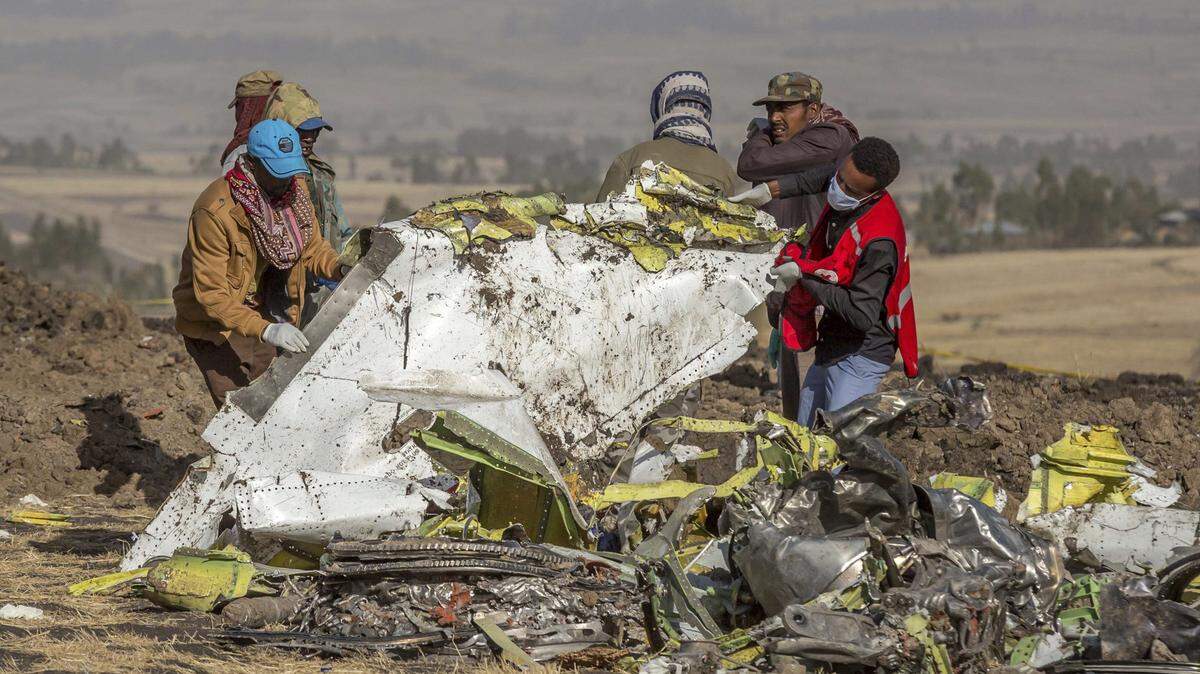
Obviously, then, the Tacoma area has a lot hanging on a full recovery by Boeing, stunned by a pair of catastrophic crashes of the same jet model under similar circumstances in less than five months. As much as safety and economic livelihoods, it’s about Puget Sound pride for a homegrown, 103-year-old industrial giant.
Boeing has a proven ability to bounce back from adversity, and there’s good reason to believe it will pull out of this public-relations tailspin. But the October crash of a 737 Max 8 in Indonesia and another this month in Ethiopia are testing the company mightily, from the international grounding of its Max 8 fleet to canceled orders and falling stock prices.
To restore the faith of investors and the flying public, Boeing must be responsive, transparent and cooperative with new federal oversight measures.
The good news is that the company has a sterling safety record. Three of its commercial airliners have never logged a passenger fatality, and four other models have achieved accident rates no higher than 0.20 fatal crashes per one million departures.
The deaths of 347 people in the Max 8 crashes were tragic and alarming, to be sure, but Boeing engineers are already finalizing a software fix for the flight-control system bugs that were strongly implicated in both accidents. The Seattle Times reports that test pilots flew simulators with the upgraded system in Renton last weekend.
The prompt safety response compares favorably with the rail industry. Consider positive train control, or PTC — an accident-avoidance system that’s been available for decades and that Congress ordered installed on all major rail lines in 2008. PTC still hasn’t been fully implemented and deadly mishaps have continued, including a derailment that killed three and injured 60 on an Amtrak run south of Tacoma in December 2017.
But this is no time for Boeing and federal aviation regulators to be complacent, especially with so many troubling questions arising from the Max 8 wreckage.
Could the software update, which was largely complete nearly two months before the second crash, have been approved on a shorter timeline to possibly prevent that accident?
Did Boeing move unusually fast on some phases of the initial Max 8 design because of competitive pressure with Airbus? And did the Federal Aviation Administration abet an accelerated delivery schedule by letting the company handle more and more safety certification of its own planes?
Why weren’t pilots given more training on the latest variant of Boeing’s workhorse 737?
Perhaps most disconcerting are reports that Boeing routinely pads its bottom line by upcharging airlines for “optional” safety features, including the angle-of-attack indicators and warning lights that were absent from both of the doomed Max 8s.
Detailed reports by news outlets including the New York Times and the Seattle Times have raised hard questions, and Boeing needs to produce credible answers.
Corner cutting and safety profiteering make for terrible optics, and Boeing must change any practices fueling that perception. The company’s decision to include the angle-of-attack warning light in its standard package is a good start.
For its centennial celebration in 2016, Boeing launched an ad campaign giddily anticipating its next century of progress. The theme: “You Just Wait.”
Today more than anything, the world waits for assurance that Boeing is reinvesting in its safety culture like never before. The entire Puget Sound region waits anxiously, including Pierce County.
This story was originally published March 27, 2019 at 1:00 PM.