
Want to slow climate change and meet carbon reduction goals? Pay people. No, really | Opinion
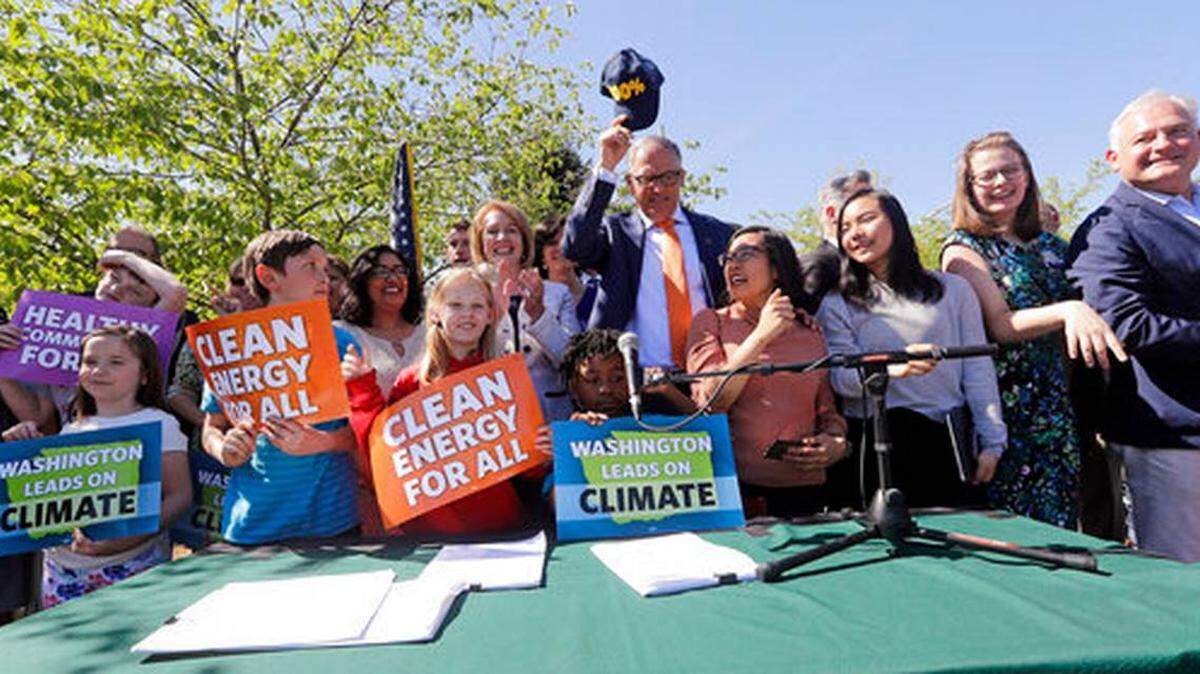
Families deserve ‘carbon cashback’
The News Tribune’s Nov. 12 article, “WA state to make largest purchase in a decade: 9,000 acres for $55 million” was good news.
Legislation that works to help mitigate climate chaos is vital. Forests absorb and store carbon dioxide from the atmosphere. This purchase will preserve a significant amount of forestland to do just that.
There are many kinds of legislation and policies that can help us with the climate challenge — at all levels of government. Another effective way to accomplish the goal of reaching our emissions reductions in a timely manner is to put a fee on dirty fuels and return the funds as “carbon cashback” money to all families.
With this policy, lower and middle-income families do not feel the pinch — allowing us to transition to clean energy pretty quickly.
At the national level, this would be a super-effective policy and a big part of the climate solution we desperately need now.
Bobbie Morgan, Bainbridge Island
Church, state and politics
Incorporation of a church under the federal 501c3 tax exemption rules requires that church officials — acting in an official church capacity — refrain from endorsing candidates.
The benefit of being a charitable organization is gaining tax-exempt status. For instance, it waives taxes on real estate taxes that can amount to a savings of thousands of dollars each year. It also allows contributions to those groups to be deducted from federal income tax.
Churches are being emboldened by the fact that the Internal Revenue Service has rarely punished 501c3 organizations that engage in overtly political activities in the 70 years that the Johnson Amendment has been in existence. This amendment prohibits churches from participating in political activities.
A number of organizations have explicitly violated the rule and no actions have been taken. As The News Tribune recently reported, Motion Church in Puyallup has held de facto campaign rallies yet the church keeps its non-profit status when the IRS does nothing.
When will this change?
Susan A Kunkel, Tacoma
Tackling Big Tobacco a top priority
Big Tobacco spends absurd amounts of money to intentionally and aggressively market to young people, people with limited incomes, LGBTQ+ communities and communities of color. As a result, these communities have higher rates of tobacco use, higher rates of tobacco-related cancer and higher risk of death related to tobacco use.
This is personal to me. I spent three hard years supporting my twenty-something son to help him finally kick the addiction caused by e-cigarettes. Before he kicked the habit, he was having issues hiking trails he had easily hiked before and he was out of breath. Fortunately, that scared him into wanting to quit.
That’s why I’m marking the American Cancer Society’s Great American Smokeout by calling on our Washington lawmakers to put tobacco prevention and control policies at the top of their priority list for the upcoming legislative session.
Specifically, state lawmakers should fully fund statewide tobacco prevention and cessation programs. Programs aimed at the youth, but also programs for adults who want to quit.
Please join me in urging your lawmakers to prioritize tobacco control and prevention policies.
We can fight back against Big Tobacco, reduce tobacco-related health disparities and truly reduce the toll of tobacco in our state.
Janet Bradshawn, Des Moines