
Monsters aren’t just here to eat our brains
By the time this column runs, the equinox will be two weeks behind us, but the word struck a chord with me today, loud enough to write about it.
It comes from Latin, by way of Old French – equi, meaning equal, and nox, night – and it describes a point of equality between night and day that, while not scientifically true down to the minute, feels like an accurate illustration of something many of us have experienced in relationships.
Sometimes we come to a crossroads where we realize the daylight of our time with someone passed like the setting of the sun. The loss of light was so gradual, we didn’t notice the time spent with them in darkness equaled the time we spent in the light.
The memory of who we knew burns bright enough to keep us from ever feeling truly estranged from the stranger next to us, but the reality of night has grown more substantial than the memory of day.
With All Hallows’ Eve on the horizon, it’s hard not to think of how for centuries humans have dealt with equinox moments like this in story. After spending a little over a decade combing through myths and legends with a group of Halloween storytellers, I’ve been struck by how the monsters we invent aren’t monsters at all; they are manifestations of our very real human struggles.
Ghost stories run the gamut from helping us make peace with loss and facing the prospect of our own deaths, to soothing our doubts that the wicked are haunted by their actions at life’s end.
Vampires externalize our fight with the most basic dilemma of human nature: the animal will to live, and the human knowledge that doing so at the cost of others is wrong. In other words, what would you be willing to do to live forever?
That may seem like a problem the non-vampiric among us will never face, but we regularly make decisions that weigh our own survival and needs against those of others. And when our life-force is converted into paychecks, perhaps we catch a whiff of vampire in a CEO who, in spite of underpaid workers, amasses more wealth than could be spent in a natural lifetime.
Werewolves explore both our fear of being held hostage by uncontrollable forces within ourselves, and how to face a person who has become two people.
Which brings me to the recent pop culture cash cow that is the zombie.
Zombie stories are older than you might think, with roots in Haitian culture going back hundreds of years. They describe a different kind of zombie, both living and reanimated dead who are enslaved under someone’s puppet-like control through the influence of drugs or magic.
Despite their Hollywood makeover, like all monsters, modern zombies are here to help. When they pit fear and self-preservation instincts against the pathos of trying to save someone you love – and the pain of accepting when you can’t – they help us digest the question: How do you cope with a foe who wears a familiar face?
Thankfully, in real life, we don’t have to contend with our friends and family trying to eat our brains, but we do have to face hard choices when they become people we no longer recognize.
What do we do with that in the story of our lives? (Spoiler alert: it’s not hit them with a shovel; that’s only in the movies.)
I think like the equinox, we try to balance night and day. We say I love you, but not your choices. I’d do anything to help you, but I can’t help you hurt me (or yourself).
We stand at the equator of our time with them, recognizing what was at our right hand and what is at our left, and we let them know we can’t follow where they are going. But we hope with all our hearts to find them again at a winter solstice, when the days again become longer than the nights.
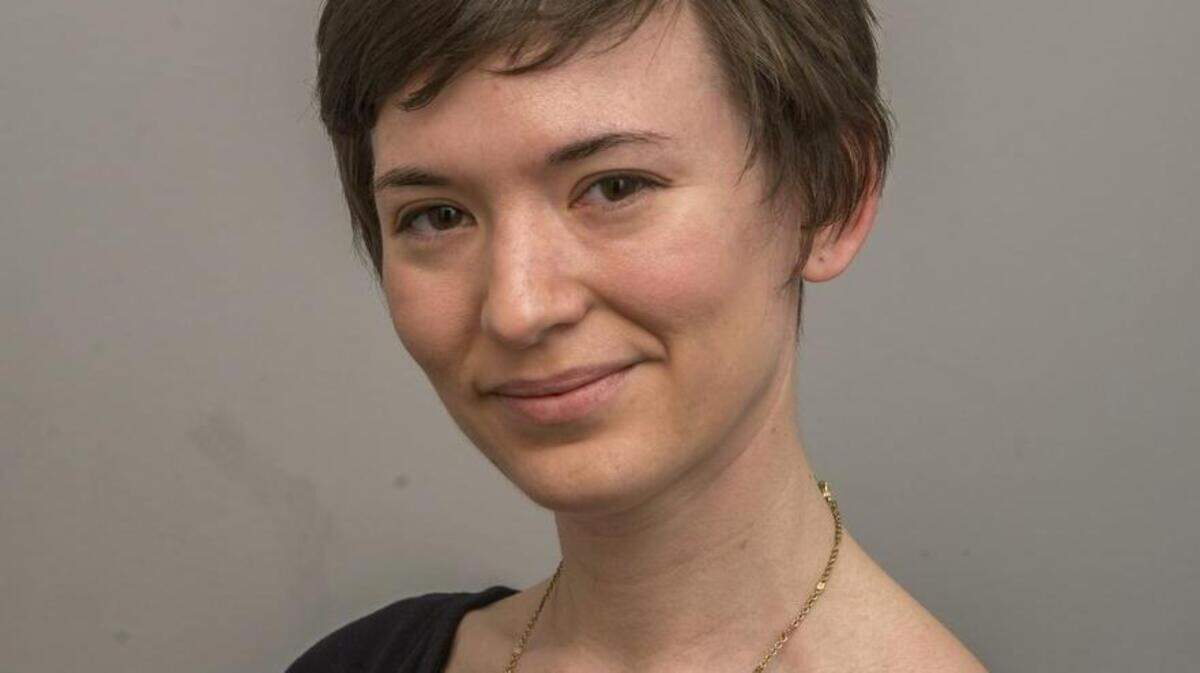
Sarah Comer of Puyallup is a musician, storyteller and community dance facilitator. She is one of six News Tribune reader columnists in 2018. Reach her at fiddleteacher@hotmail.com