
I resigned from Tacoma Musical Playhouse’s equity and diversity board. Here’s why | Opinion
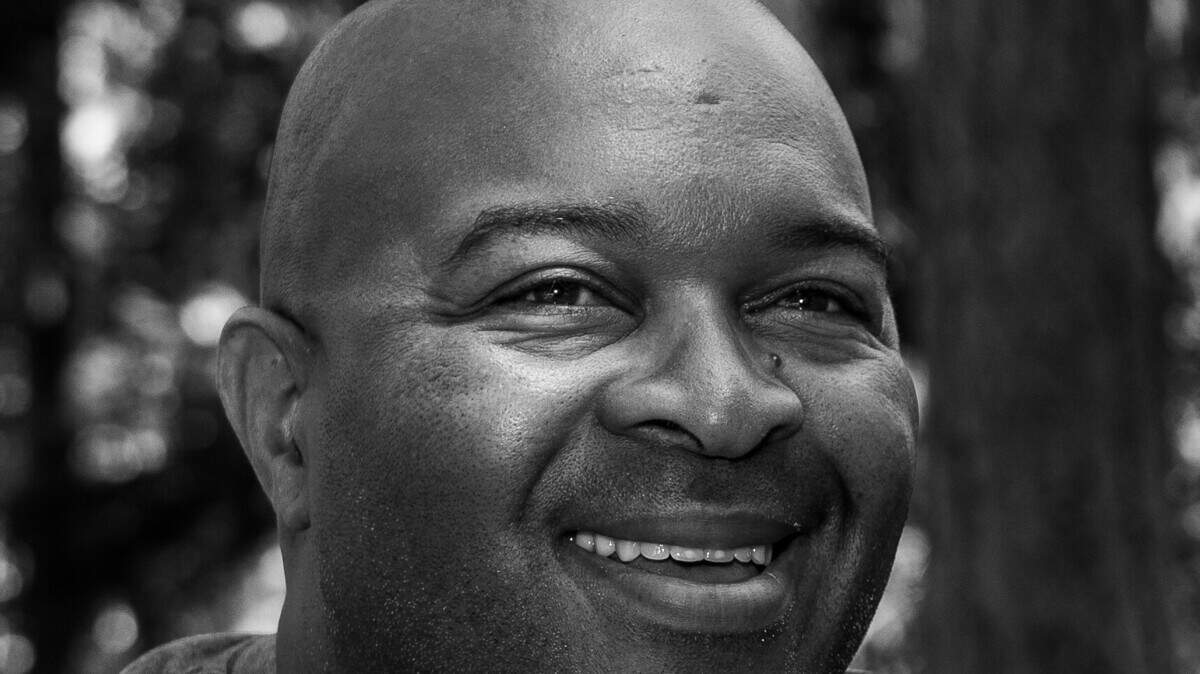
I joined Tacoma Musical Playhouse’s Equity, Inclusion and Diversity (EDI) Advisory Board in July 2020, at a time when many national organizations and corporations were engaging in similar and long-overdue efforts.
As a Black man who had performed in Tacoma Musical Playhouse productions and as a parent of children who have participated in TMP camps, I had concerns about the exploitation and mistreatment of Black, Indigenous and people of color (BIPOC) actors. More to the point, I believed the theater had engaged in systemic mistreatment of BIPOC actors.
I joined the Tacoma Musical Playhouse equity, diversity and inclusion board with the goal of helping the theater become a place that would be more welcoming, diverse, equitable and inclusive for adults and children, especially Black actors who are underrepresented in audiences and on stage, as well as to help facilitate more awareness of musical theater to Tacoma BIPOC communities.
However, not long after the creation of the board, the theater’s commitment to the work seemed to wane. In December 2022, I resigned from the board.
During my tenure, I believe Tacoma Musical Playhouse’s leadership resisted the implementation of meaningful equity efforts. Ultimately, my breaking point came when the theater chose not to provide travel reimbursement (stipends) to minors who were part of the theater’s production of “Joseph and the Amazing Technicolor Dreamcoat.” Adult cast members received the stipends.
Tacoma Musical Playhouse’s efforts to promote equity, diversity and inclusion must take into consideration what equity means for all volunteers and actors, including children. True equity leaves no room for complicity or exploitation. Real progress recognizes that systemic change includes abolishing unpaid internships and ”volunteer student” performers, especially minors, as this is often used as justification for exploitation and unpaid labor.
Transparency in compensation must be shared with performers, the board of directors and funders. True equity and inclusion efforts must demand accountability and measures to track their progress, or the lack thereof. During my time on the board, I strongly advocated for evaluations to track EDI progress.
Serious EDI progress includes ongoing engagement to recruit BIPOC performers, board members and EDI advisory group members from communities that are underrepresented on the stage — outside of productions that call for BIPOC performers.
True EDI progress must include plans to recruit and mentor BIPOC leaders, producers and directors who are true decision-makers.
For instance, consider the actions of Seattle’s A Contemporary Theater, where the majority of the theater’s board resigned as part of an effort to transform the structure of the board and embrace a model of operations that was more transparent and equitable. The move followed some of the guidance in the theater community included in the “We See You, White American Theater” movement.
Tacoma Musical Playhouse has the potential to be a place that truly embraces and demonstrates equity, diversity and inclusion. Real EDI work requires commitment, honesty, transparency, genuine engagement and a disruption of the status quo. This work must be intentional. During my time on the board, I was successful in engaging a local Black Tacoma organization as part of the theater’s equity efforts, but outside of that, I don’t think TMP has been intentional in engaging the local Black community.
The days of complicity and exploitation of BIPOC people in arts organizations are over. As a prominent community theater, Tacoma Musical Playhouse must consider what equity means for all volunteers and actors, including children. The effort and commitment to productions and camps should center diversity and inclusion.
Tacoma Musical Playhouse could be a leader when it comes to setting the standard for equity, diversity and inclusion in musical theater in our community.
Until then, it appears the theater’s EDI work is just another show.
Russell Campbell is a facilitator and instructor with experience working with communities and organizations to address issues related to health equity, racial injustice, diversity, inclusion and cultural humility. He currently lives in Tacoma.
This story was originally published February 27, 2023 at 5:00 AM.