
Here’s what WA House’s $13 billion transportation budget means for ferries, SR-167 | Opinion
On Monday, the Washington state House of Representatives passed a new transportation budget for the 2023-2025 fiscal biennium, providing a spending authority of $13.6 billion. This budget reflects several legislative priorities and a strong bipartisan effort.
The budget funds will be used to implement last year’s historic and transformative Move Ahead Washington package (almost $17 billion) over a 16-year period, as well as projects from the 2015 Connecting Washington package (a $16 billion investment), also over a 16-year period.
This budget honors our commitment to the people of Washington — a commitment to keeping key projects funded and on schedule, improving our ferry system, restoring fish passages, and a commitment to our promise to combat climate change.
Let’s look at key projects first:
There’s $5.67 billion in this budget to fund highway improvements and preservation. Earlier this year, Governor Jay Inslee’s proposed transportation budget delayed many projects, including many from the Connecting Washington package. This budget prioritizes the most critical projects and keeps them on schedule — this is crucial to maintain momentum. Our budget maintains the schedule for the Puget Sound Gateway Program that will extend State Route 167 from Puyallup to the Port of Tacoma, as well as the new interchange at Interstate 5 and Port of Tacoma Road.
The governor’s proposal would have pushed these projects and other highway improvements out several years. This wasn’t acceptable. Staff and contractors have been employed and working on these projects for several years. Stopping the work now would have cost taxpayers more money in the long run and jobs would be lost in our community and elsewhere throughout the state.
The House transportation budget is committed to keeping key projects funded and takes a realistic approach regarding what the Washington State Department of Transportation can accomplish. Many of these projects are slated for completion by 2030 or earlier.
Now let’s look at the state of our ferry system:
There’s $1.26 billion in the House transportation budget for investing in Washington State Ferries (WSF). The agency needs both better employment initiatives and new vessels.
The employment process at WSF is very difficult to navigate. Not only is it extremely hard and painfully slow to get hired for open positions, but the agency also has challenges paying for labor in this state. In previous sessions, the House Transportation budget has led the way by adopting diversity, equity and inclusion initiatives as part of the agency’s recruitment and retention efforts, developing mentorship and apprenticeship programs, and partnering with the maritime academy and training facilities to offer instruction to current or future employees.
Then, there’s the issue of the vessels themselves. Many are 30 to 50 years old, with the oldest one in the WSF fleet being 64 years old. Repairing ferries this old is very expensive or even next-to-impossible. That’s why I introduced HB 1846 to tackle this issue head-on. It will streamline the way we acquire new vessels, opening the work to all qualified boatbuilders.
Investing in new vessels will ultimately fund five new hybrid-electric vessels. There is also money in the budget to refurbish two vessels to become hybrid-electric. If the budget passes, work will begin this biennium and continue for the next decade. I’m committed to accelerating this work as much as possible.
Last but certainly not least, the budget is committed to the Climate Commitment Act (CCA) passed in 2021. This piece of legislation sets a statewide cap on greenhouse gas emissions with a goal of decarbonization by 2050.
The House is committed to addressing climate change. In February, the state had its first CCA auction and the proceeds from that — nearly $300 million — will be used to invest in bicycle and pedestrian infrastructure, public transit service and most importantly, to invest in projects across the state that will electrify ports, vehicles and other transportation equipment, as well as other investments to reduce our carbon emissions.
It is imperative that we commit at least 35 percent of these funds to projects and programs that benefit overburdened communities to ensure that agencies incorporate environmental justice principles into the selection process for grant programs to do this work in the decades ahead. I am optimistic that the state Senate will match the House’s level of financial support.
As I said in the beginning, I appreciate the collaboration with my Republican colleagues to make this a truly bipartisan effort.
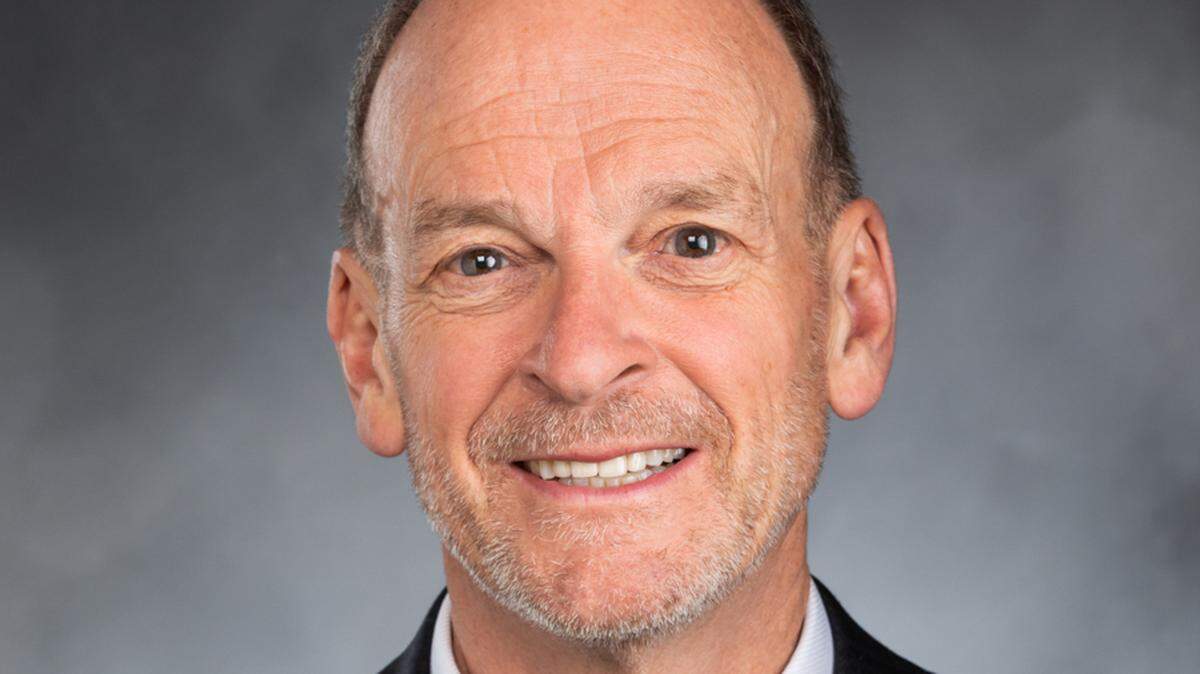
Jake Fey is a state representative in the 27th Legislative District, which includes parts of Tacoma, Ruston, Browns Point, Dash Point and Fife. A Democrat, Fey is Chair of the House Transportation Committee.