
Those serving Tacoma’s most vulnerable can’t afford to live here. Ours are getting a raise
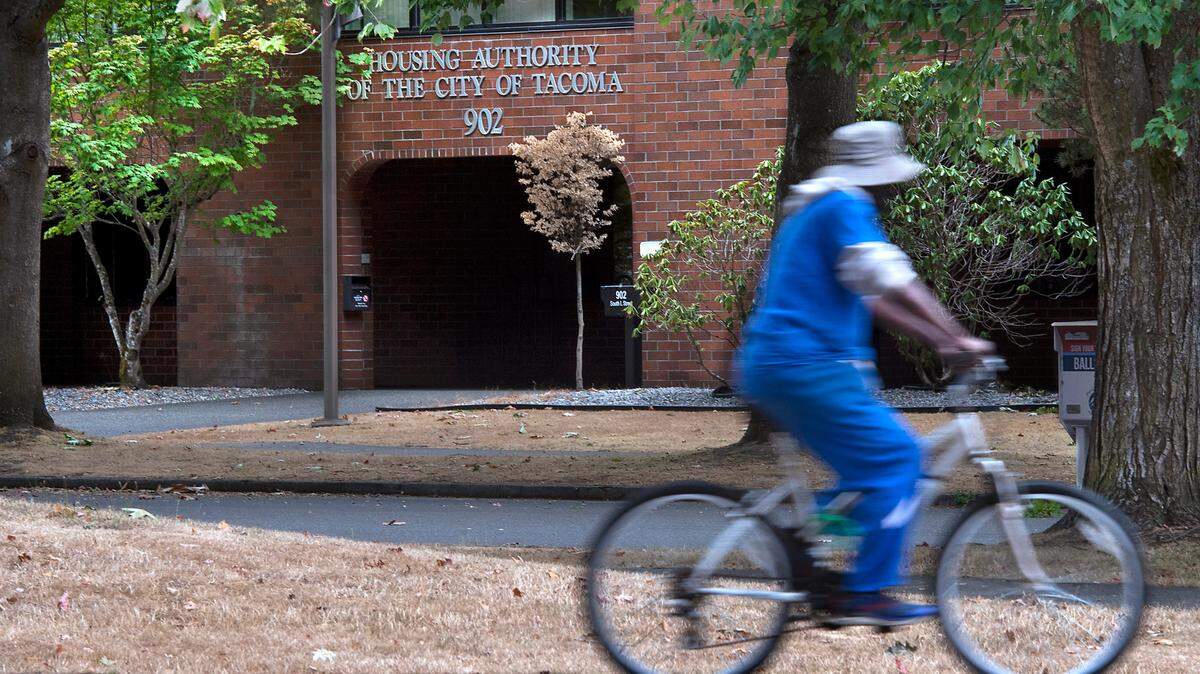
As we’ve come out of the pandemic, much of our housing focus has been on our unhoused neighbors. We see growing numbers of people living in encampments, on our streets and in our parks. People are suffering from a lack of shelter, behavioral health resources and the stability they need to meet their basic needs.
We must continue to work together to house and care for the most vulnerable among us, and it is important to recognize that most individuals dealing with housing insecurity are not as visible as those living on the streets.
Oftentimes, our neighbors living on the financial edge are hidden from view — living in houses and apartments in your neighborhood, but one rent increase, car repair or medical bill away from eviction, not knowing where they would go next.
Many of the folks unable to find and keep stable housing are people you interact with daily; your daycare provider, the barista at your local coffee shop, the checker at your grocery store, the teller at your bank and the social workers providing services to your unhoused neighbors. The average wages of these workers would not be enough to rent in Tacoma.
According to the recent National Low Income Housing Coalition publication Out of Reach 2023, the average monthly rent for a two-bedroom apartment in Tacoma is $1,643. To afford this level of rent and utilities without paying more than 30% of income on housing (a housing wage), a household must earn $5,477 monthly or $65,720 annually. Assuming a 40-hour work week, 52 weeks per year, this income level translates to a minimum hourly housing wage of $31.60.
In June 2022, Tacoma Housing Authority pulled data that showed roughly 53% of its full-time staff were earning less than an hourly housing wage.
While THA staff have been serving some of the most vulnerable renters in Tacoma, they have been experiencing housing and food insecurity themselves. During meetings with staff this spring, I was asked to bring in food resources like a food pantry or mobile food bank, to find ways to allow staff to cash in leave so they can pay for security deposits and rent, and to help find ways to pay rent increases of upwards of $400 per month. How can an organization so focused on social justice be paying poverty wages?
With that question in mind, THA has prioritized paying employees a true living wage in 2023. We cannot outbuild an affordable housing crisis. Suppose THA, as a 174-person organization, can have nearly 100 employees eligible to be on its subsidized housing waiting list. How will our community ever find housing solutions for the rising number of unhoused neighbors and underpaid wage earners? We can’t.
We need to focus on keeping people housed. Let’s pay people what they need to pay their rent, purchase homes, and buy food for their families. Without the ever-present threat of eviction or food insecurity, wage earners and family members can thrive.
This month, THA’s Board of Commissioners will vote to ratify our last union contract to bring our lowest-paid workers up to an hourly housing wage of $32 per hour. People in these positions will be paid well over the competitive market rate. The change will have a significant impact on THA’s annual budget. But this is just a small step in our journey to remove structural and systemic barriers in our systems.
Let’s move beyond empty equity and social justice statements and put our words into action. Ensuring everyone is paid a housing wage is our first step, but we still have much work to do. I challenge my colleagues in leadership positions in Tacoma-Pierce County to do the same.
Can your lowest-paid workers afford to live in the cities and towns you ask them to report to work?
If they can’t, but you can, I challenge you to follow THA’s lead and work diligently to ensure those workers can live and thrive as your neighbors. Strive to do better.
April Black is the Executive Director of Tacoma Housing Authority. She has been with THA for 14 years and has been working in public housing for over two decades.