
Don’t put away those clam guns. WA spring razor-clam season has been extended
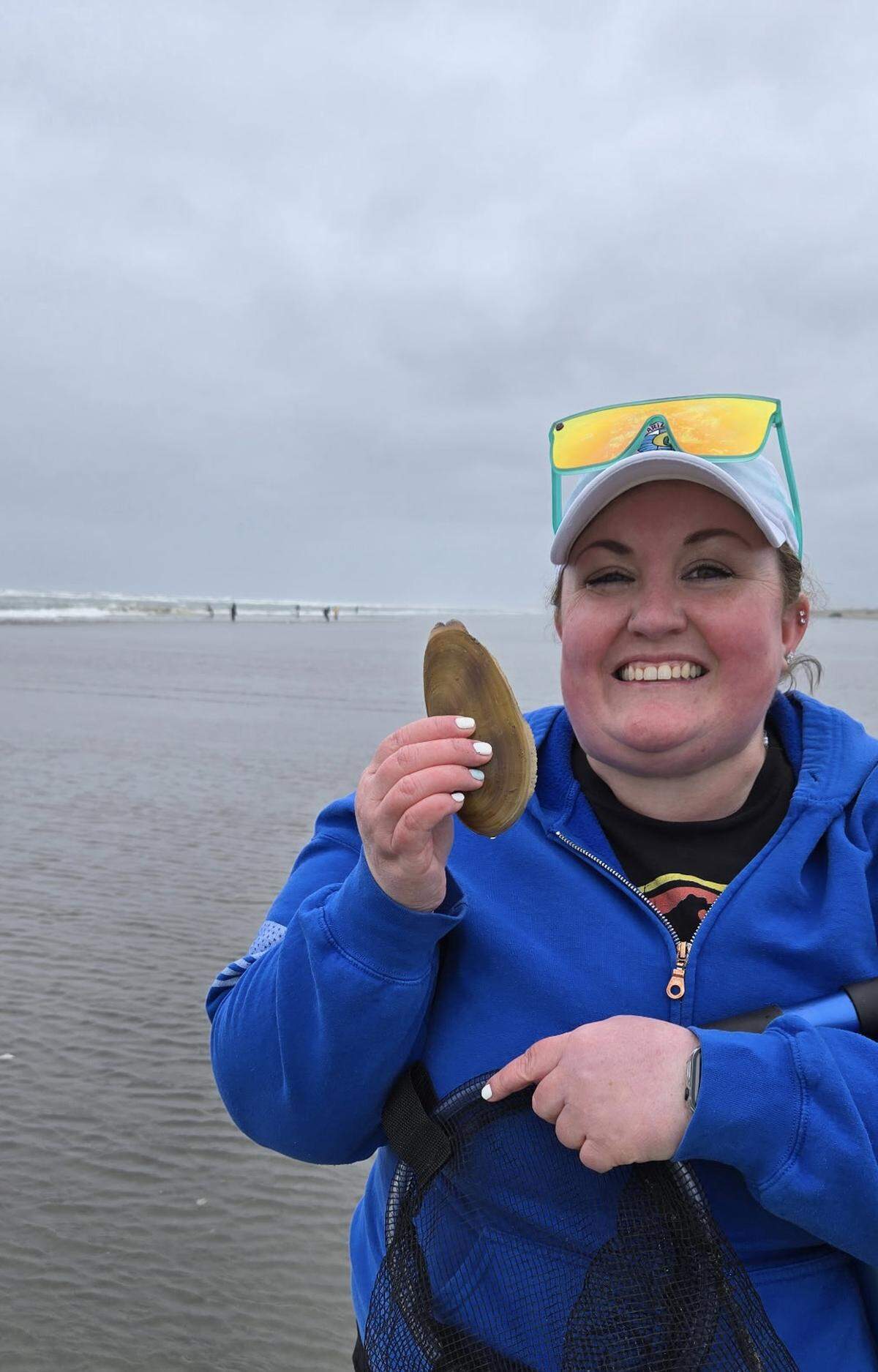
On Thursday, Whitney Hobbs, a law enforcement professional from Pierce County, was walking along Grayland Beach, south of Westport, Washington, when she saw what looked to be three razor clams sticking out of the sand.
“I assumed it was something else. Or that they were dead,” Hobbs told the News Tribune.
Hobbs got down on the sand and started digging with her hands. Sure enough, she pulled three live razor clams from the beach, and her niece pulled out a fourth.
“I’ve been digging razor clams for a while, and I’ve never seen that before,” Hobbs said. “Usually, it’s just not that easy.”
On Friday, the Washington Department of Fish and Wildlife announced the final coastal razor clam digs of the spring season, which will run April 30 to May 6.
“There was lots of successful spring digging during this past tide series, and it is looking like more of the same for the last digs of the season,” WDFW’s recreational razor clam manager, Bryce Blumenthal, said in the statement. “When this next series is complete, we’ll have dug 15 weeks of low tides totaling 103 harvest days and 309 individual digs since the season began on Oct. 6, 2025.”
Washington’s razor clams are found on intertidal coastal beaches (beaches that are exposed at low tide). The Washington Department of Fish and Wildlife divides the harvest areas into five management zones and monitors the clams throughout the year:
- Long Beach from the Columbia River north to the mouth of the Willapa Bay
- Twin Harbors from Willapa Bay north to the south jetty at the mouth of Grays Harbor
- Copalis Beach from the north jetty at the mouth of Grays Harbor to the Copalis River
- Mocrocks from the Copalis River to the south boundary of the Quinault Indian Reservation
- Kalaloch from the South Beach campground north to ONP Beach Trail 3.
The Kalaloch beach-management zone has remained closed to harvesting this season due to small numbers.
Razor clam limits have been set at 15 razor clams per person, per tide, and all diggers must keep the clams they dig up regardless of size, condition or shell breakage.
The following digs will proceed as scheduled during low tide (from midnight to noon only):
- April 30, Thursday, 6:26 a.m.; -0.3 feet; Long Beach, Twin Harbors, Mocrocks
- May 1, Friday, 7:01 a.m.; -0.7 feet; Long Beach, Twin Harbors, Copalis
- May 1, Friday, 7:01 a.m.; -0.7 feet; Long Beach, Twin Harbors, Copalis
- May 2, Saturday, 7:35 a.m.; -0.8 feet; Long Beach, Twin Harbors, Copalis
- May 3, Sunday, 8:08 a.m.; -0.8 feet; Long Beach, Twin Harbors, Mocrocks
- May 3, Sunday, 8:08 a.m.; -0.8 feet; Long Beach, Twin Harbors, Mocrocks
- May 4, Monday, 8:43 a.m.; -0.7 feet; Long Beach, Twin Harbors, Mocrocks
- May 5, Tuesday, 9:21 a.m.; -0.4 feet; Long Beach, Twin Harbors, Copalis
- May 6, Wednesday, 10:03 a.m.; -0.1 feet; Long Beach, Twin Harbors, Copalis
Even with the Kalaloch beach-management zone closed this season, local razor clam diggers have noticed healthy razor clam populations across Washington’s beaches and are having a blast fulfilling their limits.
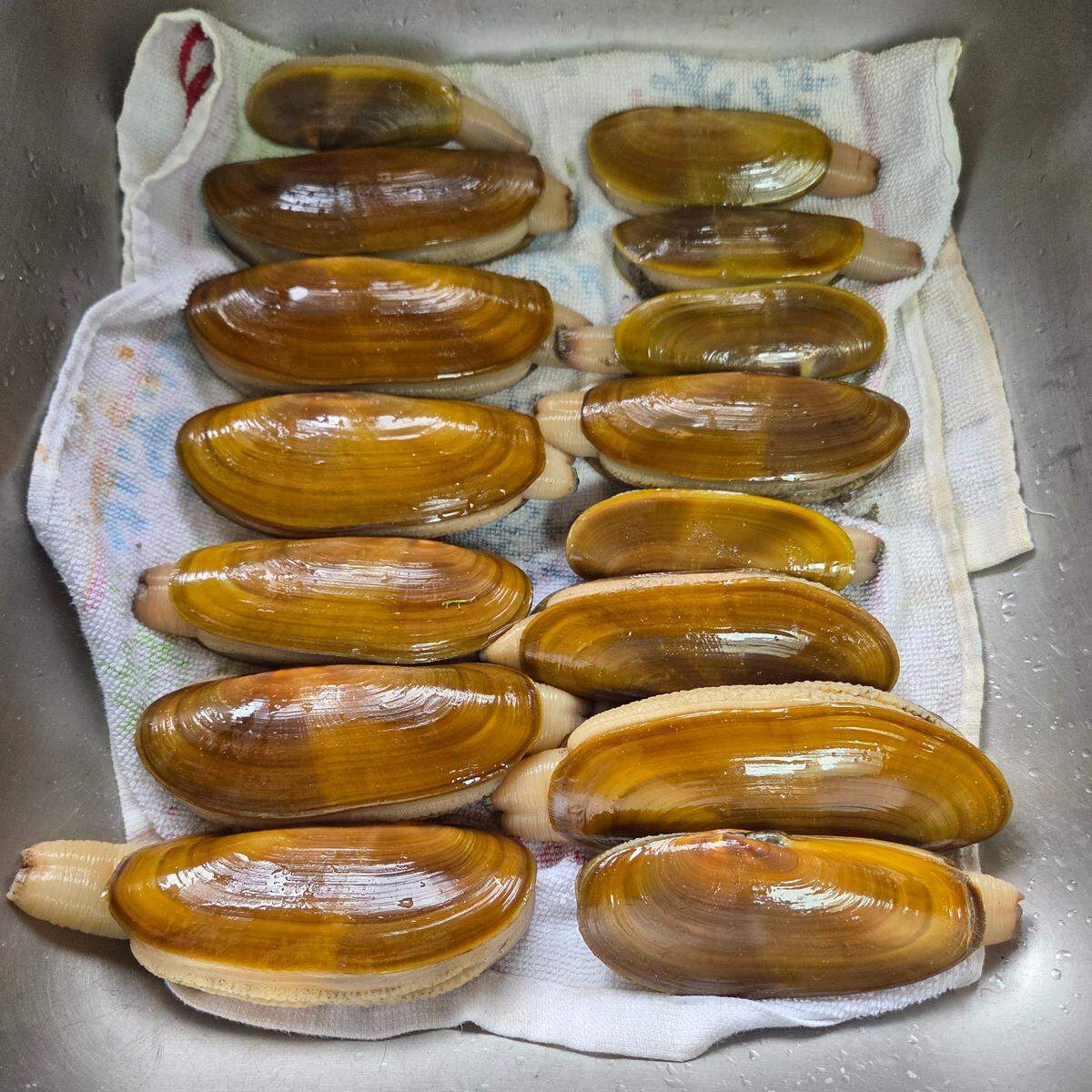
Long Beach resident Rose Styczinski recently met some new friends at the Long Beach Razor Clam Festival and took them razor clamming at Oysterville Approach.
“We went last Saturday, and all immediately got our limit. I went back the next day, and all nine of us got our limit,” Styczinski told the News Tribune.
As for how she likes to cook them up, Styczinski is precise.
“I like to separate the digger from the body,” Styczinski says. “Then I put them in flour, bread crumbs, and an egg. I fry them for 1 minute per side; anything longer than that, and they get tough and chewy. The diggers are like the filet mignon of the clam.”
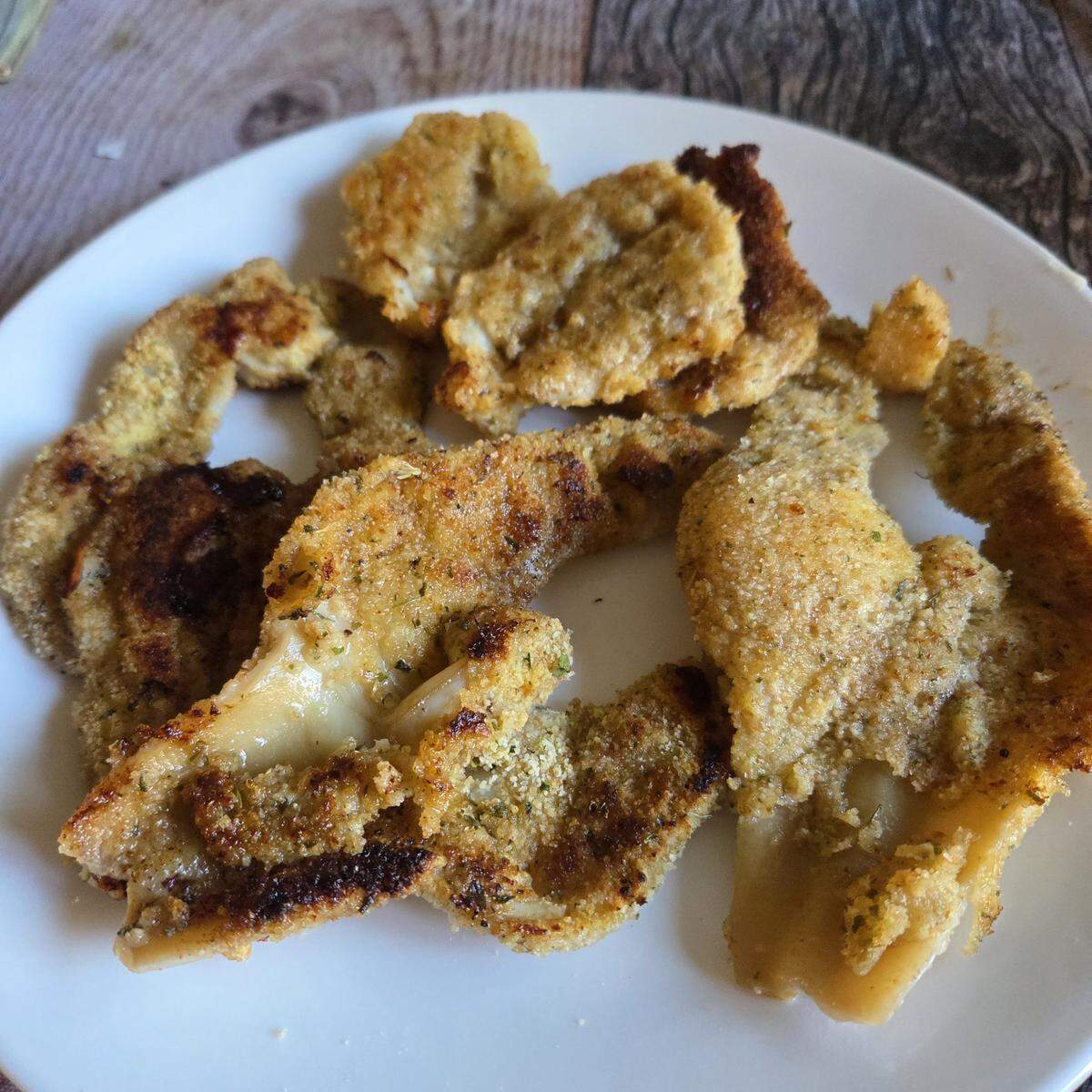
When asked how they taste, Styczinski replied, “Like a clam. They taste like clams.”
While Serni Solidarios, University of Puget Sound’s director of Student Programs, agrees with Styczinski about how to cook a razor clam, he wholeheartedly disagrees about how they taste.
“Razor clams absolutely taste different from other clams,” he told The News Tribune on Monday. “Some people say they taste better than chicken. Comparing other clams to razor clams is like comparing apples to oranges.
“Next to abalone, I believe, razor clams are the creme de la creme of the mollusk world.”
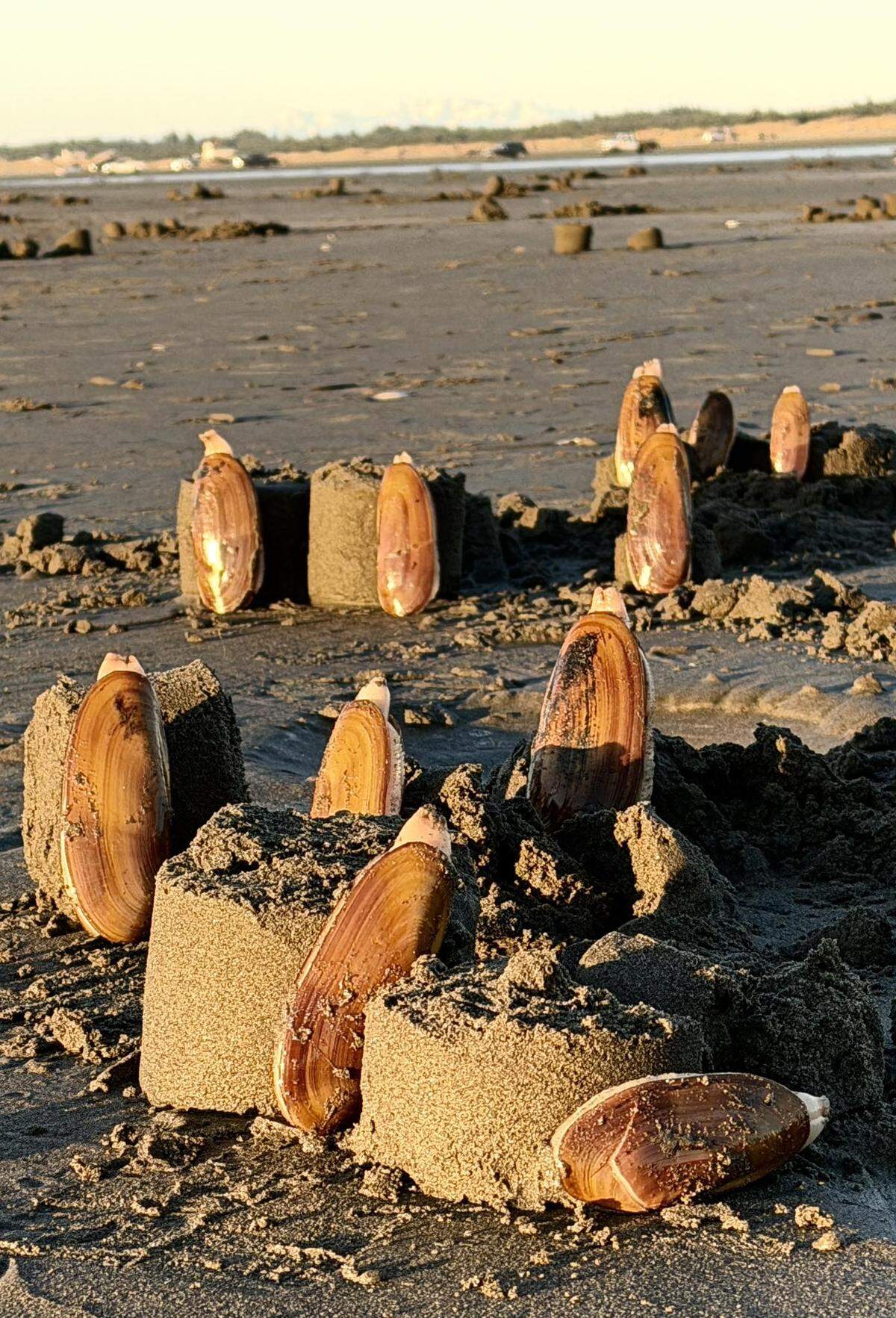
Solidarios has been razor clam digging since he was a child in California but admits he enjoys the atmosphere of clam digging in Washington more.
“It’s an experience, going out to the ocean and being surrounded by ocean air. Ocean Shores and the coastal towns nearby are treasures for Washingtonians. The fun of chasing the razor clam is only part of the reason to go out there. It’s a lot easier than digging a geoduck. And a lot more fun,” Solidarios said.
“I would say that there’s a certain Northwestern hardiness in being able to go out there and dig. The metropolitan types never get their limits.”
As for how his season is going, Solidarios said he was out razor clam digging near Ocean Shores last week and had no trouble getting his limit.
“There was a time when they were overharvested, but they’ve come back.”
.jpg)