
Guarded by JBLM and Chief Leschi’s spirit, these South Sound prairies endure
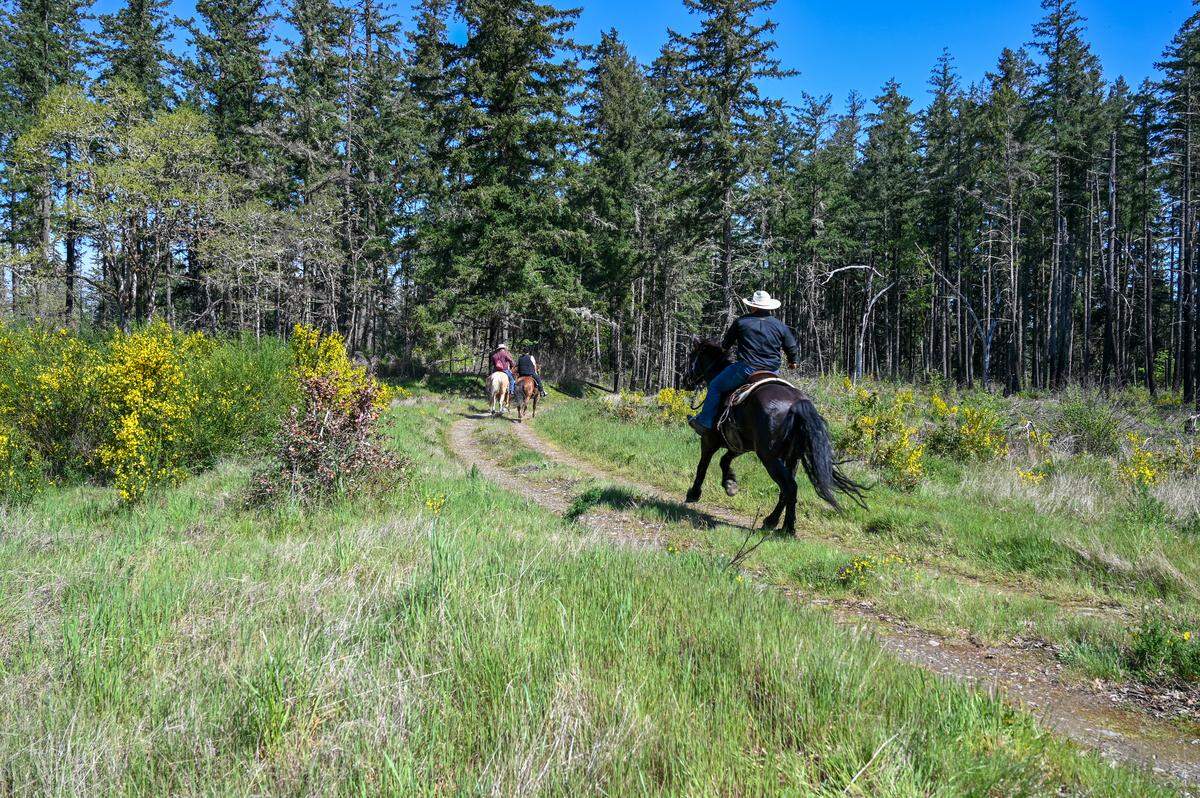
Fifteen thousand years ago, the Vashon Glacier, which helped carve Puget Sound, retreated and left behind hundreds of thousands of acres of grassland prairies, which were peppered with Garry oak trees, wildflowers, birds and butterflies. The prairies rolled and disappeared over the hills of the South Sound as far as you could squint.
Most of them since have been developed, cemented over and turned into freeways and business parks. Somewhere around 3% of the prairies remain today.
The South Sound prairies of Pierce and Thurston counties were preserved and cared for by the original stewards of the area, the Nisqually people, led by Chief Leschi.
Today, most of the Nisqually people’s historic lands exist behind locked gates. They are protected from development, but under near-constant mortar fire.
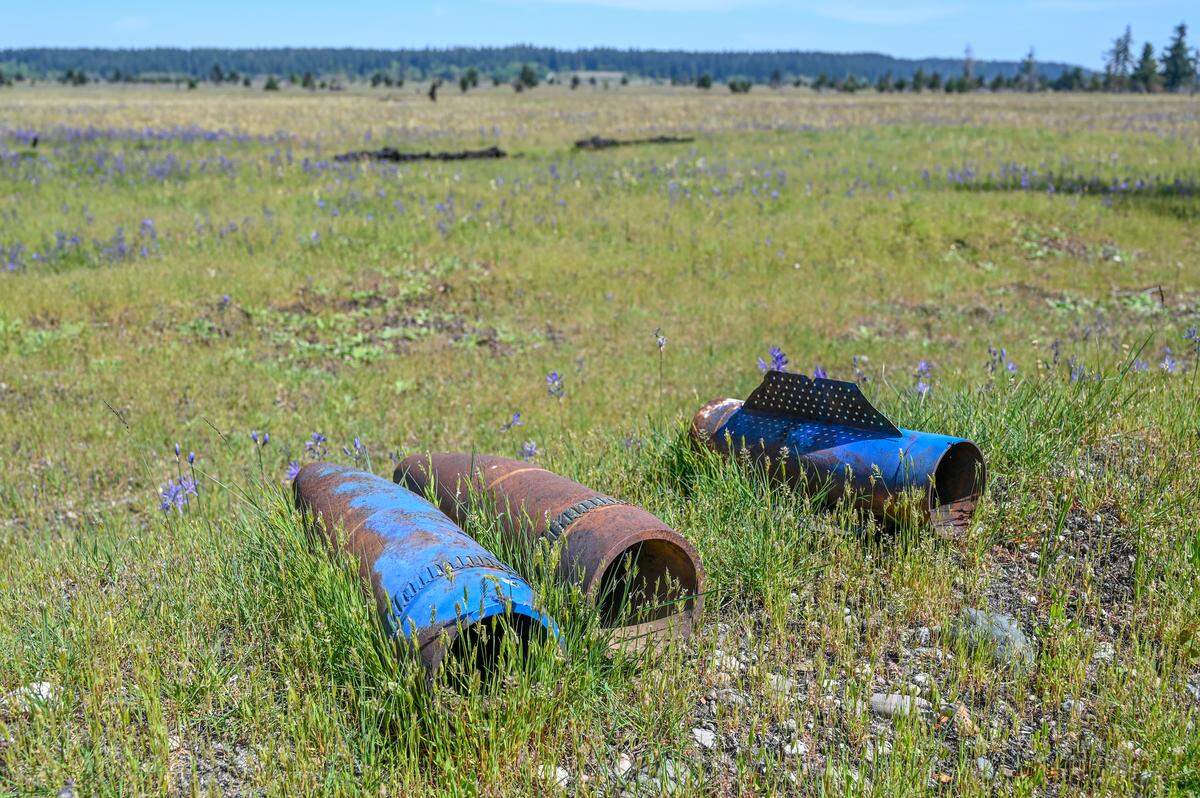
Many of them are artillery ranges, including the largest and most gorgeous prairie this author has ever seen.
It turns out the conditions work well for the prairies. In order to continue to exist, prairies need people to continue to remove invasive species and control prescribed burns which help clear out unwanted trees and weeds.
Prairies need people. The Nisqually Tribe, stewards of the lands for thousands of years, taught us that.
The prairies on the land now known as the Joint Military Base Lewis-McChord (JBLM), span somewhere in the neighborhood of 23,000 acres.
You can visit only some of them by applying for a permit through iSportsman.net. To visit the South Sound’s largest prairie and walk through The Nisqually people’s most sacred lands, you would need to enlist in the Army.
Or, one day a year, you could walk through it with the Nisqually people on their Honor Walk.
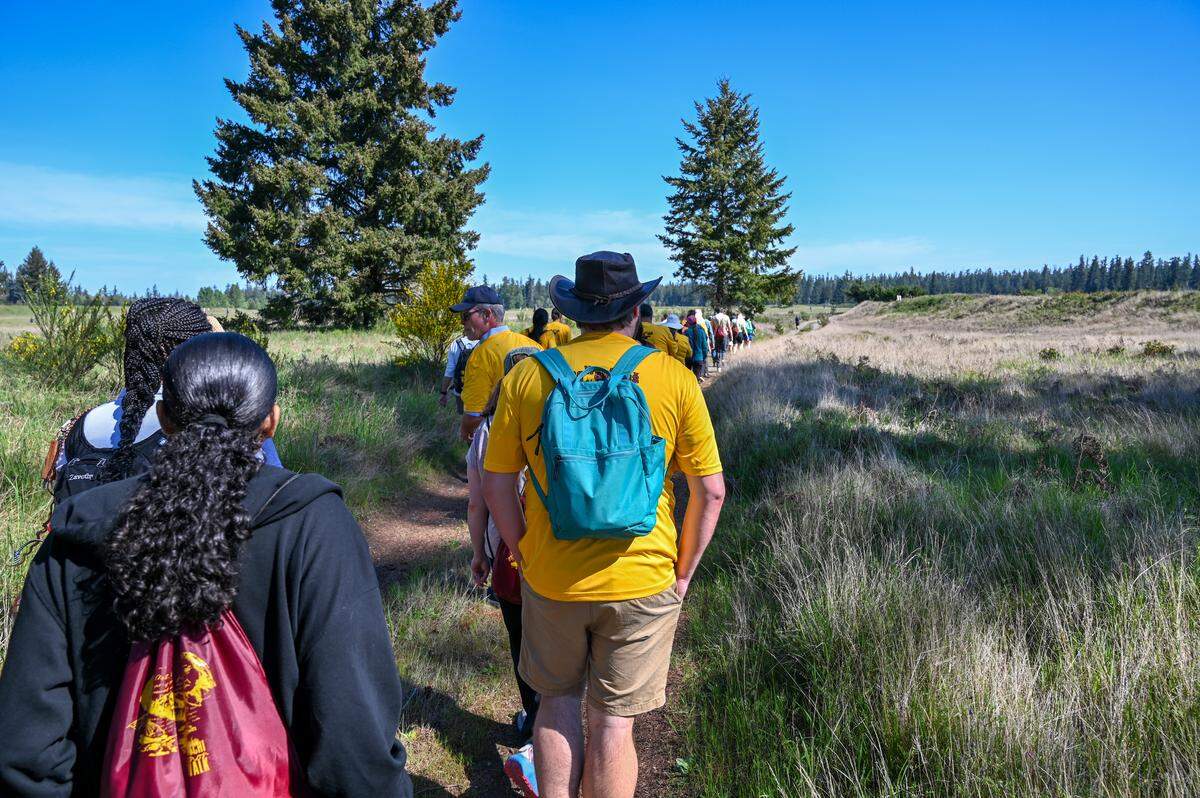
The Honor Walk
For decades now, on the first Sunday in May, the Nisqually Tribe gathers elders, Reservation members, and guests, and walks seven miles across their old prairie land to honor the memory of Chief Leschi and his brother Quiemeuth, and their constant struggle to protect Nisqually land rights.
On Sunday, May 3, I had the honor of walking with them.
The largest prairie, one that was once peppered with Nisqually homesteads and villages, is now an artillery-impact area. According to Nisqually Tribe cultural educator Hanford McCloud, it’s no accident that it’s the largest prairie remaining. Because it’s the one that’s most regularly maintained by fire because the military shoots artillery into it.
“For a long time, they accidentally maintained the land correctly with their bombing,” McCloud told me on our walk through the prairies.
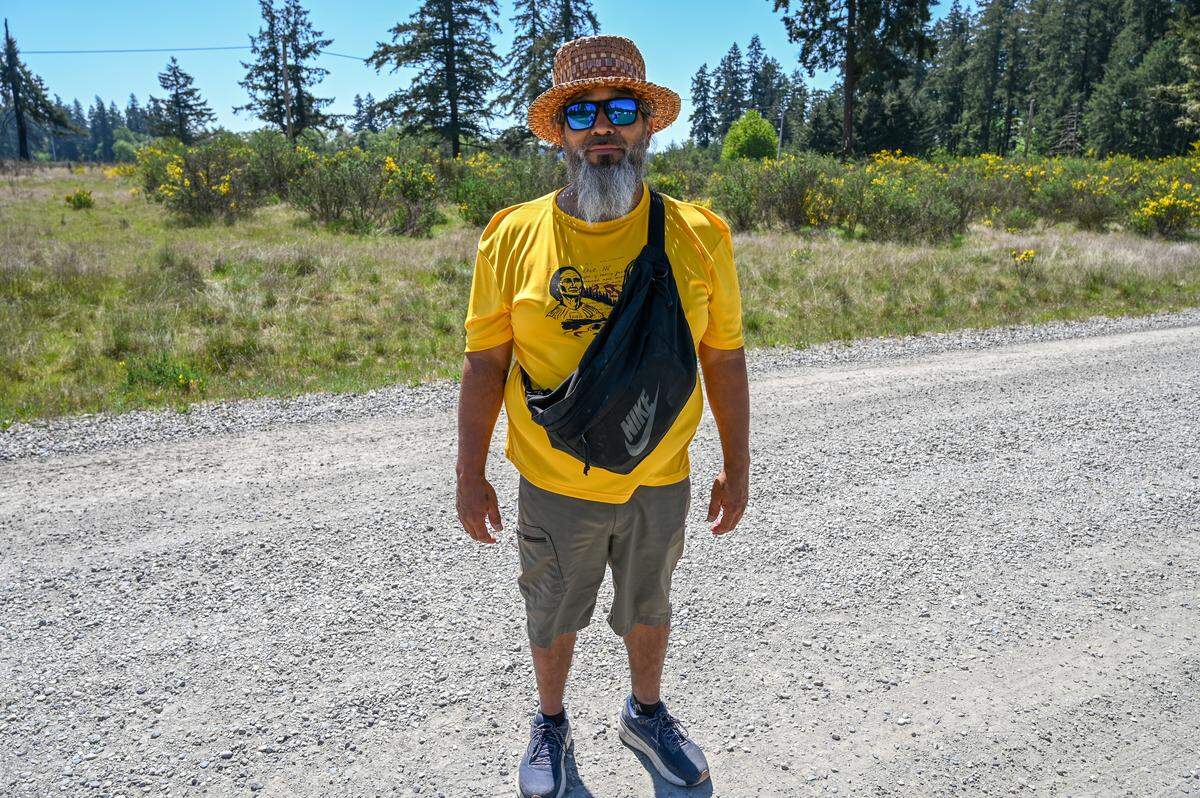
“But it wasn’t always like that. When the white settlers first got here, they were afraid of fire and didn’t understand how the Nisqually managed the prairies. Fire was their enemy.”
The Nisqually people’s prescribed burns stopped, and the prairies began disappearing as the forest moved in on them.
Then invasive species were introduced, and non-native plants like Scotch broom thrived, which caused the prairies to shrink and disappear even more.
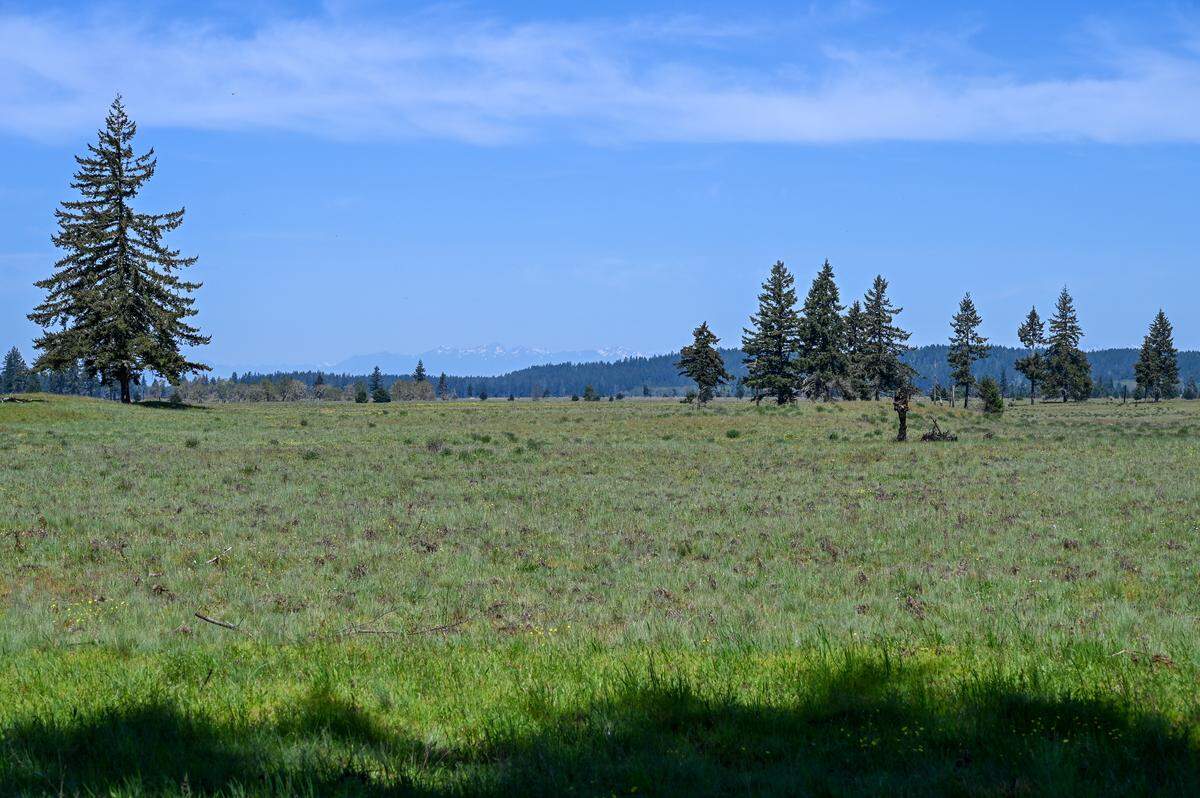
Nowadays, the base listens to the Nisqually people and since implemented its own fire-management systems, so the prairies remain as they once were.
Most of the prairies on base are off-limits to the public because it’s not a good idea for people to walk around areas with unexploded ammunition on the ground. Army Staff Sgt. Mark Malmgren and his crew spent days sweeping the area for unexploded shells in preparation for the walk.
“Look with your eyes, and not with your hands,” he told us in a safety briefing before we left.
When treaties were signed in 1854, the tribe gave up its right to most of its land, but it was allowed to have reservations. The original reservation given to the Nisqually Tribe was not acceptable to them.
“It was in a place that had no significance to us,” culture program manager for the Nisqually Tribe, Joyce McCloud, Hanford’s mother, told me later, over lunch. “There were no prairies, and no river. It was just a rocky forested area on Johnson Point.”
So Chief Leschi and the Nisqually people fought back.
The war happened right after the treaties and included the Mashel Massacre, where the militias rode into Nisqually camps filled with women and children and slaughtered them.
The war went on for a year and a half, but In the end, new boundaries were drawn. The new Nisqually Reservation boundary was on the Nisqually River. Two thirds of it was on the Pierce County side, now on JBLM land and where the Honor Walk is held, and the other third was on the Thurston County side.
The artillery prairie
One of the first people I met on the walk was Evergreen State College professor of Geology and Native Studies, Zoltan Grossman. He’d brought six of his students and was eager to talk about Nisqually land.
“This land was set aside in the Fox Island agreement of 1856,” Grossman told me as we hoofed along a gravel road through the prairies. “And Pierce County did not have the power to condemn the land, but they did it anyway. For economic reasons. They wanted to attract army bases on the eve of World War I.”
Between 1856 and 1916, Nisqually people lived in homesteads and villages all around the prairies where JBLM now stands. In 1917, Pierce County decided it wanted most of the land back.
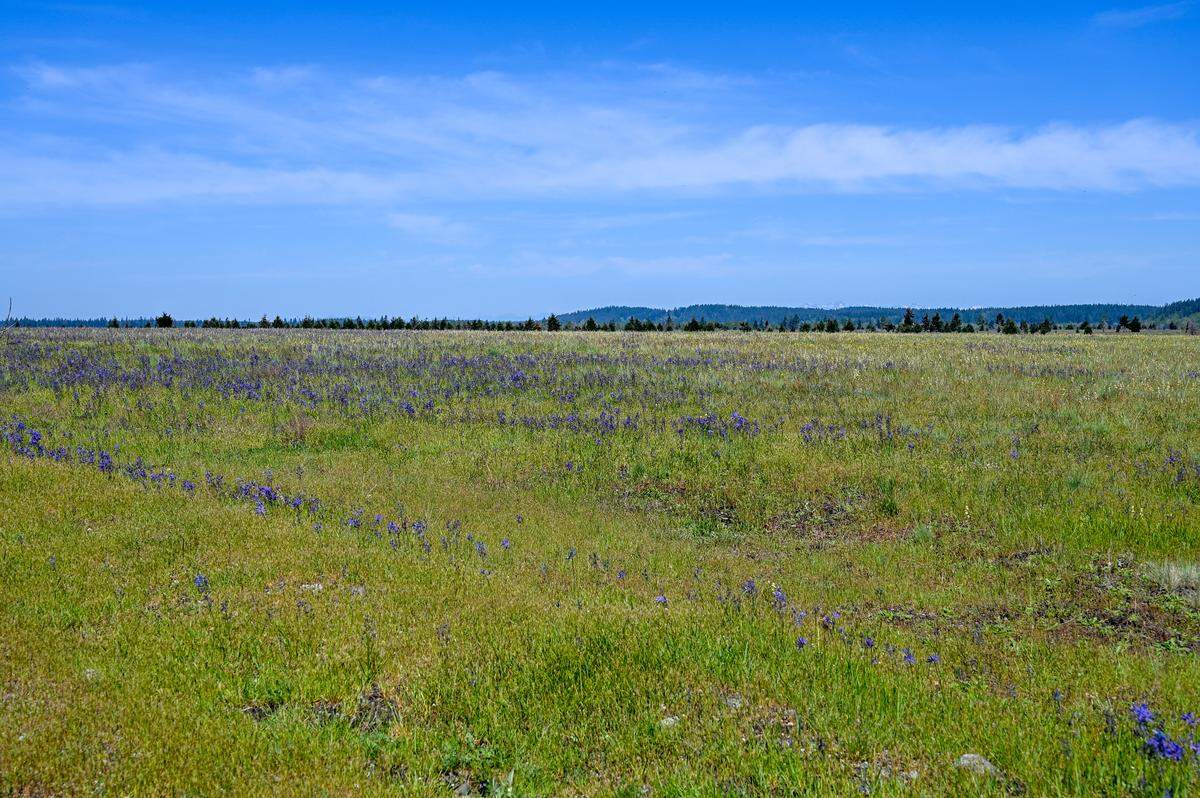
“It was condemned, and the Nisqually families were forcibly removed, sometimes at bayonet point in the middle of the night from their homesteads,” Grossman told me. “People think a lot of these Native American wars were just in the 19th century, but they continued into the 20th century.”
In the end, 70% of the reservation was taken back from the Nisqually people – all of their land in Pierce County, and the people were moved to the 30% of the reservation that’s in Thurston County on what is known today as the Nisqually Reservation.
Grossman says he’s taken part in the Honor Walk seven or eight times. He does it for solidarity with the Nisqually Tribe, but also to learn.
“You drive by I-5, and it’s just a big blank spot,” he said. “You’d never have any idea of what’s here. There’s a really interesting juxtaposition between life and death, precolonial natural landscape, and a militarized and in some ways poisoned landscape.”
Grossman admits that the existence of the base has likely preserved the prairies and saved them from urban development.
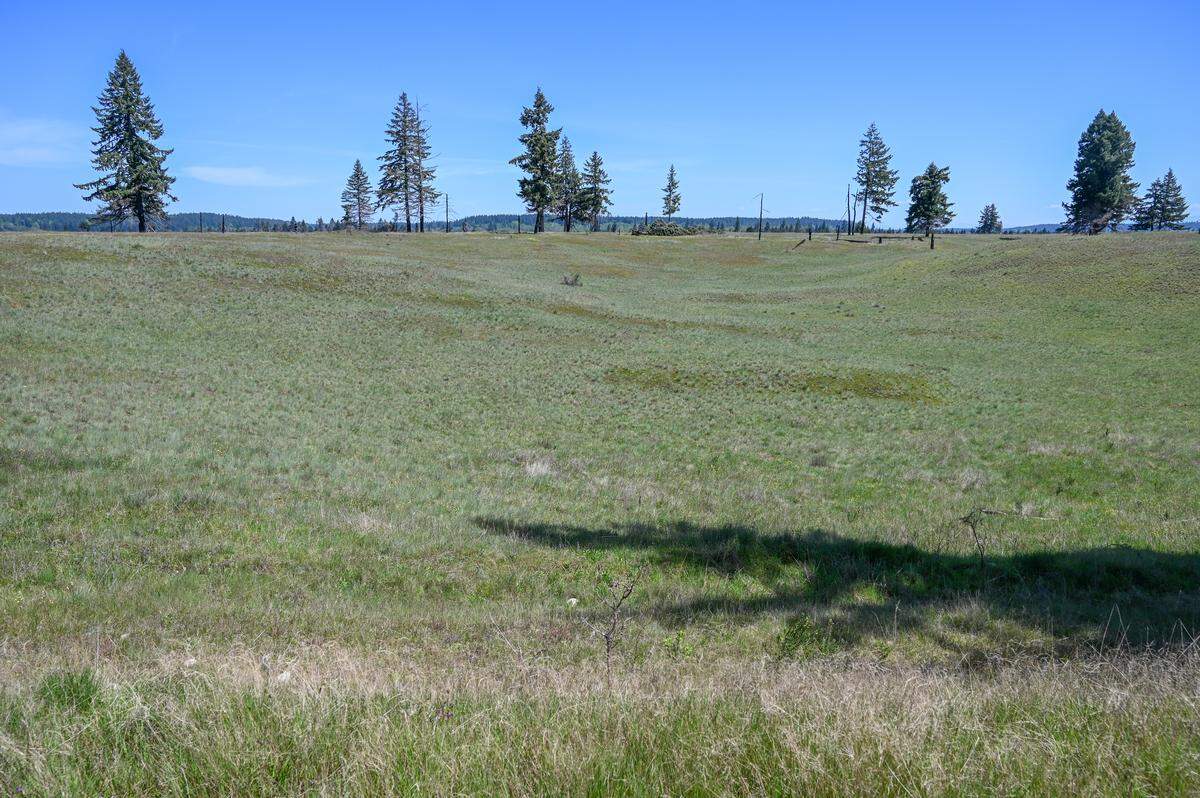
“If you want to see what the South Sound region looked like 200 years ago, this is where you come. And if you’re an endangered species, you have a better chance of survival here, as long as you don’t get blown up.”
One good example of an endangered species thriving on the prairies is the Taylor’s Checkerspot Butterfly. The loss of Washington’s open prairie land has reduced the species to only a few scattered populations across the state.
Thanks to the prescribed burns and preservation of the prairies on base, the Taylor’s Checkerspot Butterfly thrives here and was sighted multiple times during the walk.
On the walk
Walkers met at the Nisqually Reservation and took buses onto the base. Once there, we met for a short ceremony where Hanford McCloud sang and played a ceremonial drum.
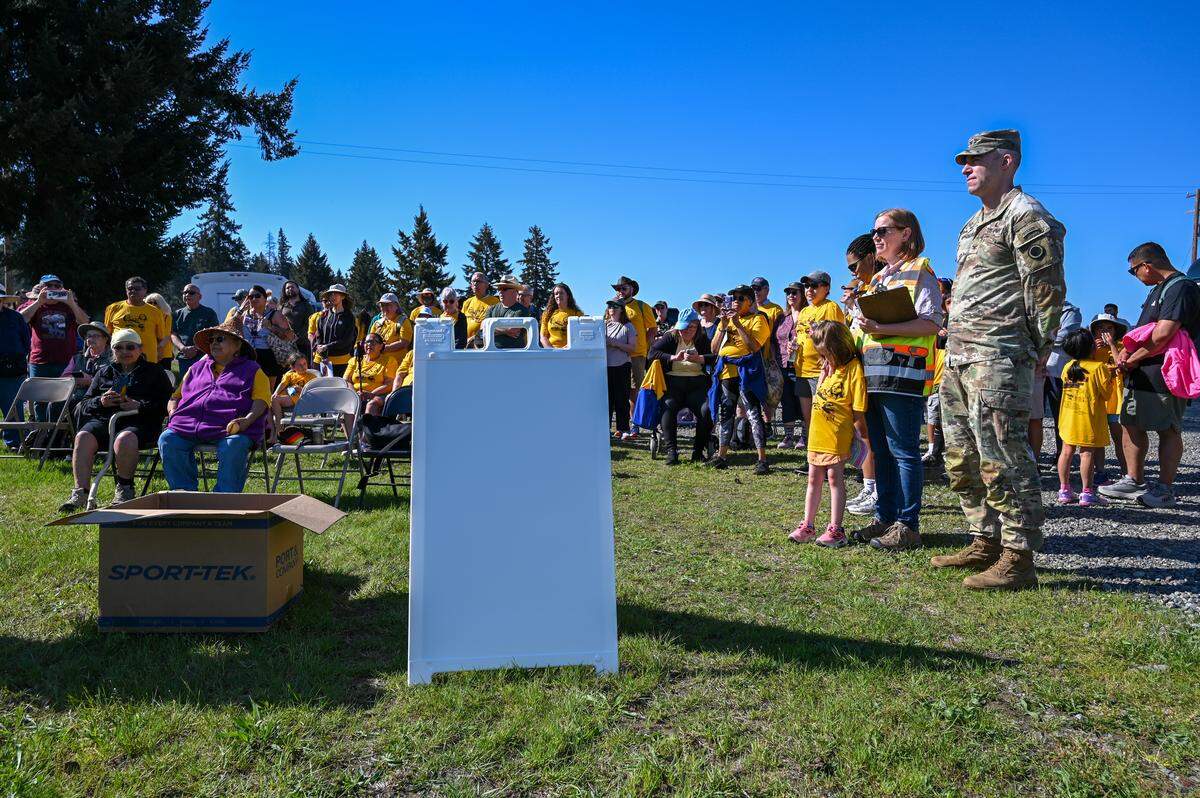
Then Col. Joe Handke gave a speech.
“As we look back here on a beautiful day, we’re reminded of this land,” he said. “Natural prairie that has been able to be preserved because of the partnership between the Nisqually Tribe and the U.S. Army. Natural prairie that would have otherwise been overtaken by development. We’re able to steward this land because of that partnership.”
Handke and two other uniformed officers then joined the hike.
Hanford McCloud led the show. He took the lead, noticed when we’d gone off track, rallied those who were lagging behind and had stories waiting around every bend.
My first look at the prairies was truly shocking; they are unparalleled. And I write that as an ex-Yosemite employee who spent years in the Sierra Nevada High Country of Tuolumne and Sunrise Meadows.
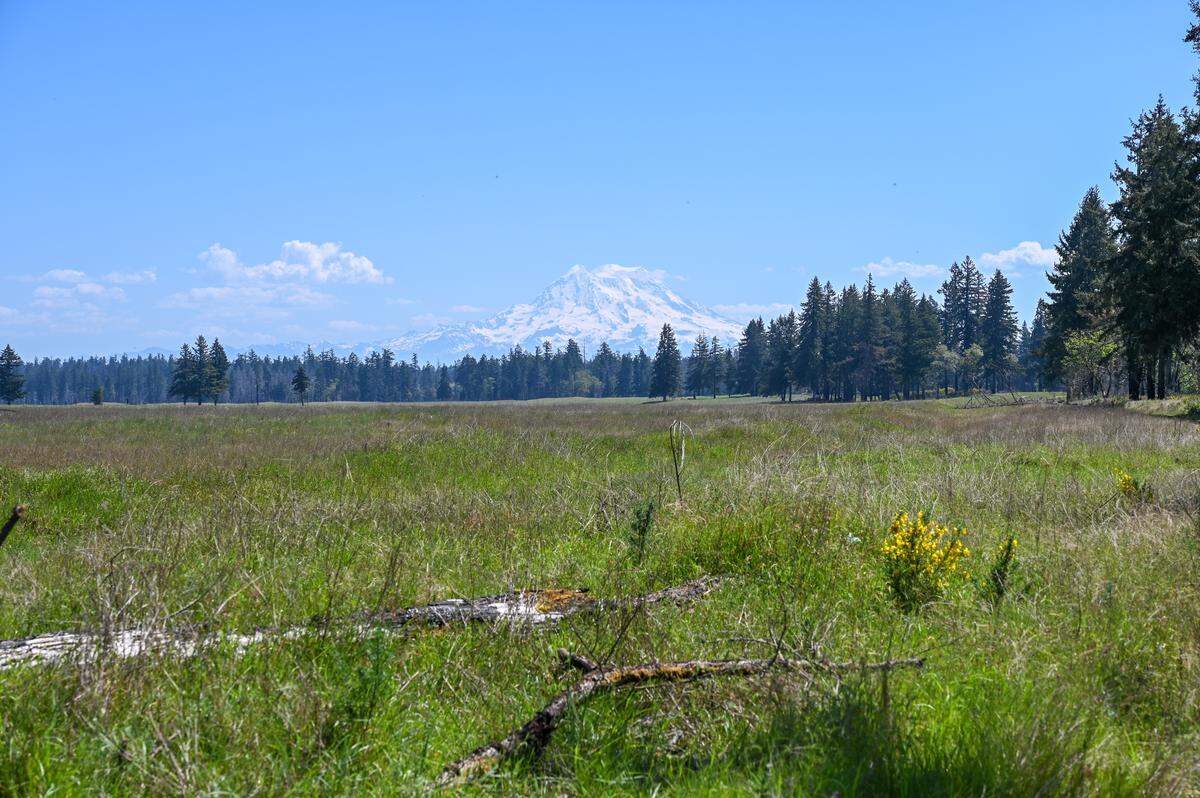
I had no idea a secret like this was being kept behind the gates and fences of JBLM. Even though Tahoma, or Mount Rainier, kept doing its magic trick where it popped up from behind the trees, it could not steal my attention on Sunday. The mountain was continually upstaged by the wild prairies surrounding me.
The conversation often found its way back to the fact that it felt like a national park. It should be public land. Until we took a moment and remembered that it should be Nisqually land.
Home
About halfway through, I was the first to have to pee.
At the beginning, we were told that if someone had to pee, they need to wait for all walkers to pass, fall back, and speak to the driver of the follow vehicle.
So I turned around, fell back and let the follow vehicle driver know of my situation. The soldier spoke something into his radio, and then hopped out of his truck and gave me an escort into the trees to look for any unexploded artillery shells on the ground.
Sure enough, a few steps off the path, my military escort pointed out a large shell casing, the exact same color as the dirt, sitting on the ground in front of us. He said, “Step over that,” and then showed me an approved tree to pee behind. And then he left.
On the way back to the walk, I had to try and remember where it was.
The walk was exactly 6.7 miles, and it completely surprised and saddened me when I saw the end of it. That was 6.7 miles? I truly took as much time as I could, looking for wildflowers (with Jeanette Dorner and her son Michael), and taking photos of the prairie. It still went too quickly.
Over lunch, I munched on a banana and talked to Joyce McCloud about how it felt to be back.
“It feels like home,” she told me. “I can feel Chief Leschi’s spirit here.”
This story was originally published May 8, 2026 at 5:00 AM.
.jpg)