
‘Burning longer, moving faster.’ WA prepares for what could be bad wildfire year
Wildfire season is approaching in Washington state.
In a news release earlier this month, the U.S. Forest Service warned, “Wildfires are burning longer, moving faster and behaving less predictably than they did even a decade ago.”
May is wildfire awareness month, and agencies are preparing for what could be one of the worst wildfire seasons in recent history. On May 1, the National Interagency Fire Center (NIFC) released its 2026 season outlook, which highlighted dim projections across the Northwest.
The report stated that drought conditions have persisted in Western Washington throughout most of the year, with April having above-normal temperatures across the state and precipitation patterns leaning dry.
According to Drought.gov, snow drought is currently widespread across Washington due to unseasonably warm temperatures, which brought more rain than snow. Snowpack remains far below normal across the state, and melt out has occurred about a month earlier than normal.
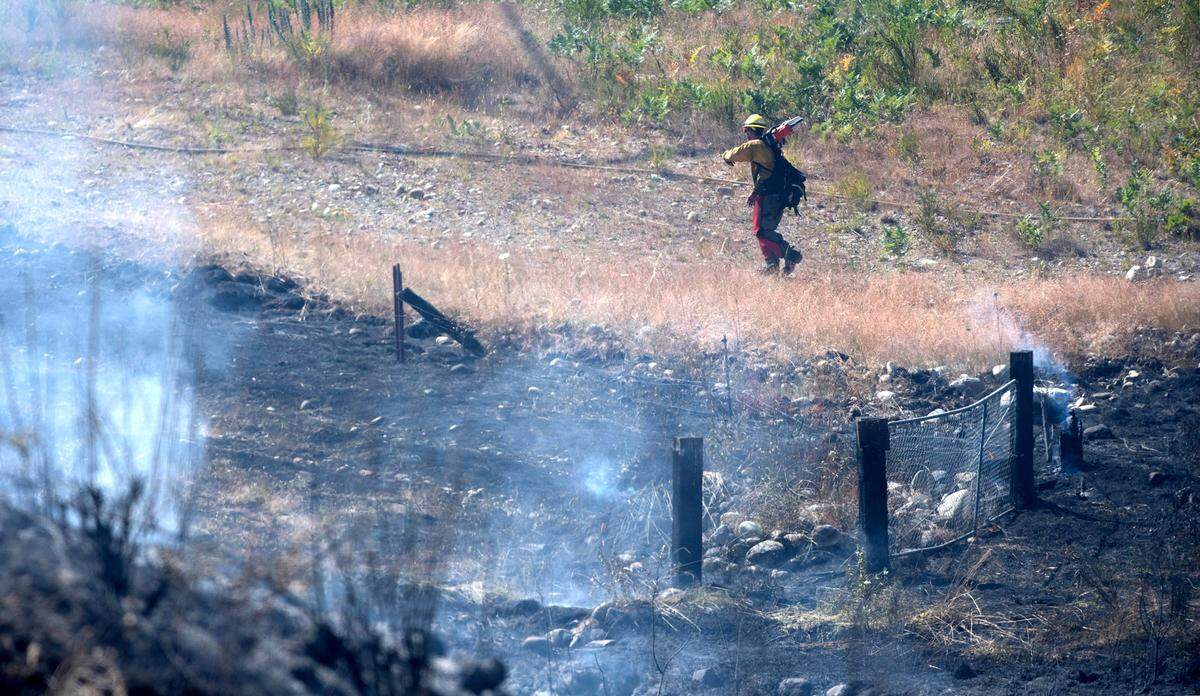
On April 8, Washington declared a statewide drought.
The Climate Prediction Center is forecasting that precipitation levels in the Northwest will remain below normal throughout the months of May and June.
According to the NIFC, so far this year, 25,260 wildfires have burned 1.88 million acres, which is above the ten-year average for acres burned to date. The nearest and most recent was the Pine Mountain Fire near Bend, Oregon, which was fully contained only recently after burning 2,589 acres.
While Western Washington has not traditionally been a focus of wildfires, according to Grassroots Wildland Firefighters president Riva Duncan, who worked for the USFS for decades before retiring in Oregon in 2019, it will continue to see an uptick in them.
“In Western Washington, you’re seeing wildfires now where there weren’t any before,” Duncan told The News Tribune. “It wasn’t something that people worried about, but everything is connected. The grasslands and geography of Eastern WA lend themselves more to wildfire, but state agencies, budgeting, and staffing affect the entire state. Not to mention air quality.”
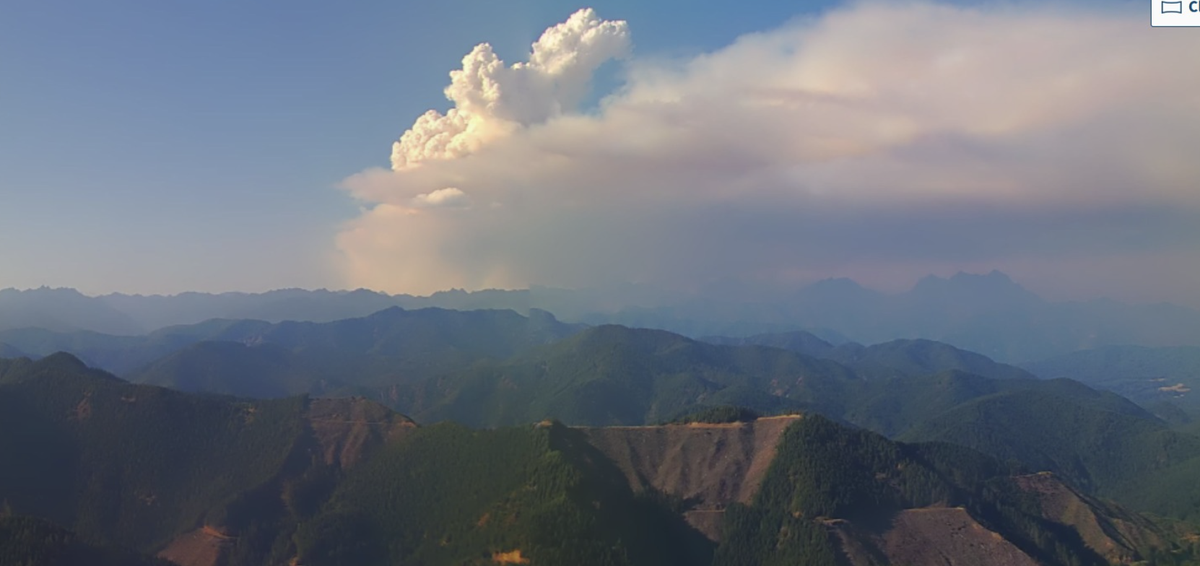
Most recently, the Bear Gulch Fire in the Olympic National Forest burned more than 20,000 acres in 2025. It was the worst since the Great Forks Fire in 1951.
Duncan says that what used to be fire seasons across the country have turned into fire years.
“There’s no rest for hot shots and fire personnel across the country,” Duncan added. “They continue to work year-round with fewer resources and poor pay thanks to continued government cuts.”
Duncan attributes climate change, in the form of hotter temperatures, nationwide droughts and drier conditions as to why fire conditions are strengthening across the country.
In a statement, the U.S. Forest Service announced that it is aware of early warning signs and prepared for a difficult year:
“All of our predictive models point to a challenging summer,” deputy chief Sarah Fisher, head of Fire and Aviation Management for the U.S. Forest Service, said in the statement. “But we have an incredible workforce and an interagency system built to adapt and meet challenges head-on.”
In an email to the News Tribune, Amanda Kill, public affairs specialist for the U.S. Forest Service at Gifford Pinchot National Forest, said that the Forest Service has the ability to mobilize more than 28,000 wildfire responders and over 22,000 contracted resources across 2,500 vendors.
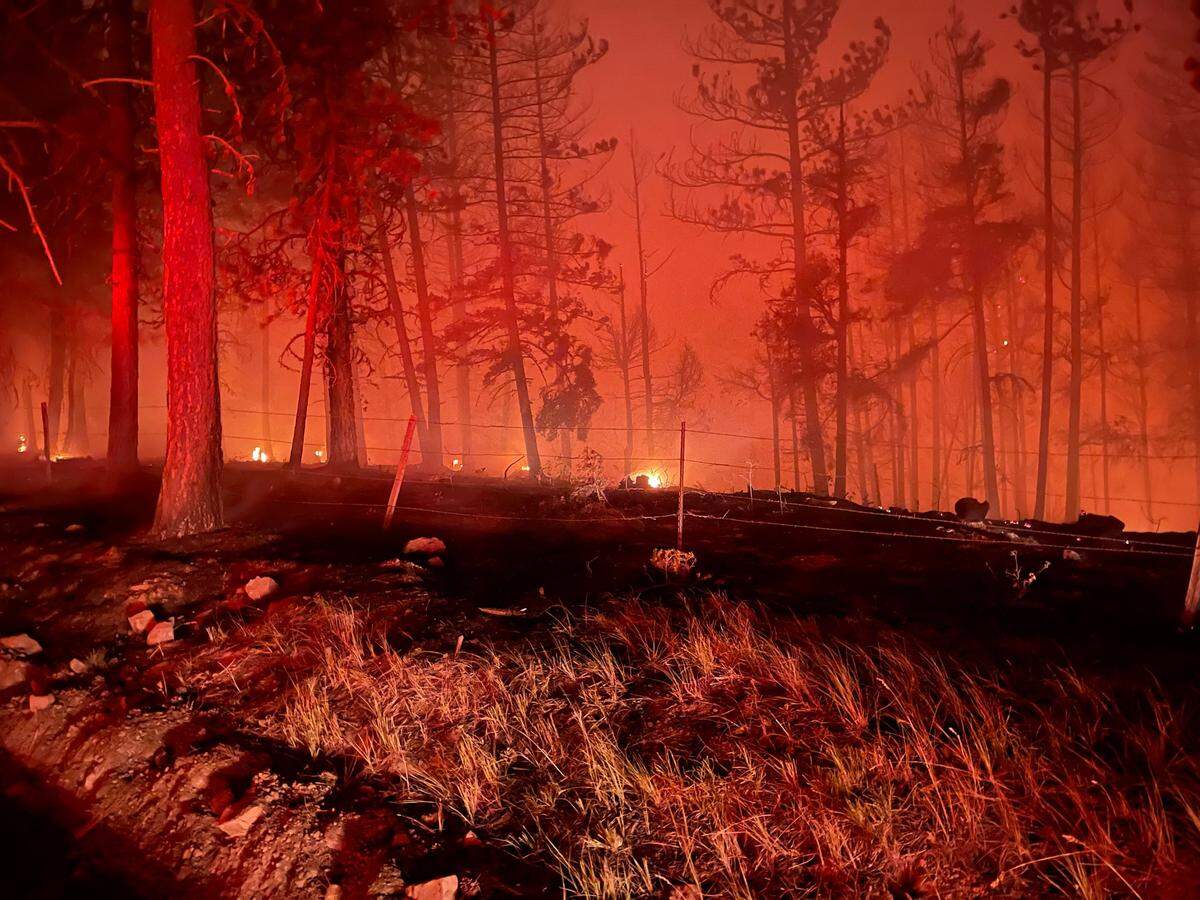
Gifford Pinchot National Forest will continue fire-prevention tactics, such as prescribed burns, to help mitigate future wildfires.
“Prescribed burns are planned, small, and conducted under controlled conditions usually during the cooler seasons like fall and spring,” Kill said. “Prescribed burns will always include advanced public notification and preparation.”
Information about future and recurring prescribed burns can be found through local USFS contacts and InciWeb.
As for the continual increase in wildfires, Kill attributes them to a combination of several human and environmental factors, including hazardous fuel buildup, nonnative species invasions, insect and disease infestations, warmer and drier weather conditions and long-term drought.
In a news release on May 11, the Bureau of Land Management announced fire restrictions would go into effect on May 14 for all Bureau of Land Management-administered lands throughout Oregon and Washington. The BLM and U.S. Wildland Fire Service leaders encourage all visitors to be aware of active restrictions and closures as warmer, drier weather sets in around the Pacific Northwest.
“We are increasingly concerned that 2026 could rival the most extreme years on record for heat and dryness in the Pacific Northwest,” said Jeff Fedrizzi, U.S. Wildland Fire Service, Assistant Chief of Operations, for the Pacific Northwest.
“Every visitor must understand that even one small spark can lead to a costly and destructive fire in these high-impact conditions.”
.jpg)