
GPS game injuries are on the rise. Here’s how to protect yourself this summer
As summer creeps ever closer, it’s time to revisit a not-so-new phenomenon that manages to hang around the South Sound like a gray cloud over Commencement Bay.
Geocaching!
With fun local phenomena like monkeyshines and World Cup glass medallions, Tacoma is no stranger to treasure hunts. Geocaching is quite a bit like a treasure hunt, but it uses GPS on a smartphone to navigate to a specific set of coordinates. Geocaching locations are traditionally found through various geocaching apps, websites and clubs.
There are also geolocation games like Pokémon Go, a location-based game where players find, capture, and battle fictional Pokémon; Ingress, an augmented-reality game where two factions battle for power and territory; and Orna, another location-based game where players find and battle fictional creatures.
What do all these things have in common? They put our noses in our phones.
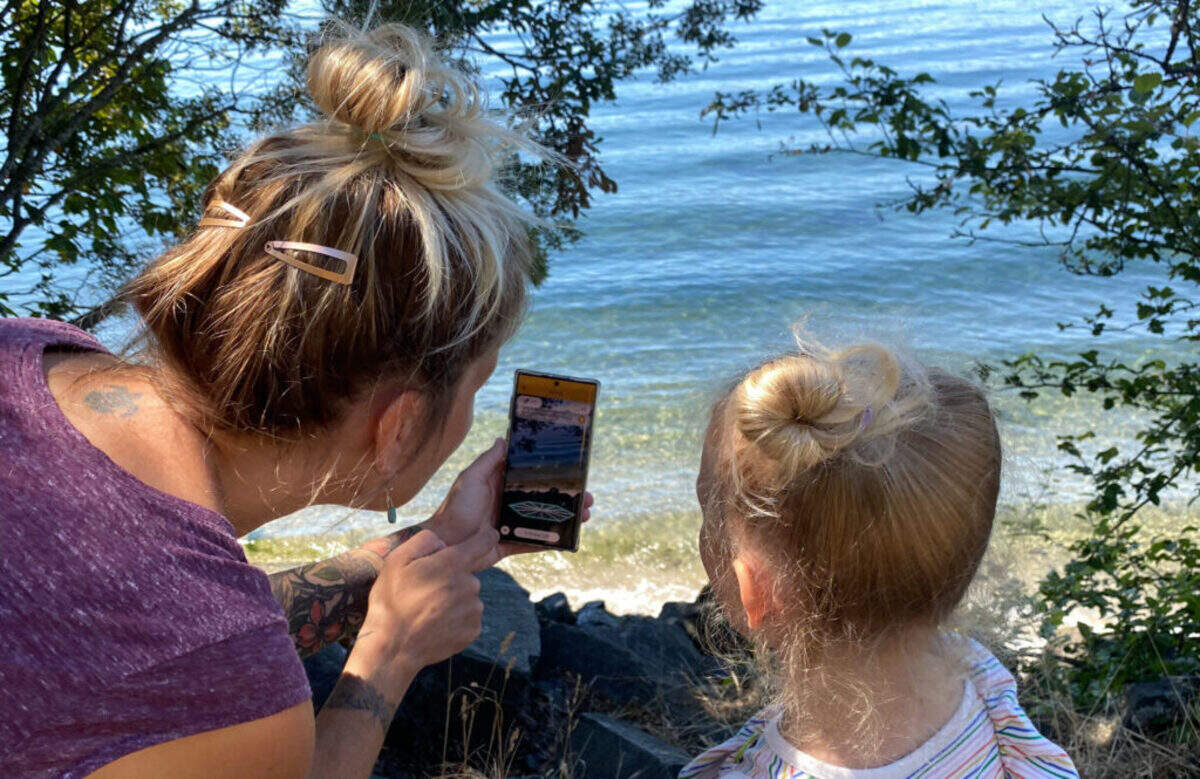
The News Tribune caught up with Parks Tacoma guide Jess Crask this week to chat about best practices for geocaching, geolocating, geotagging, geohiking and all things geo-fabulous around Tacoma Parks this season.
“On Saturdays at Wright Park,” Crask told The News Tribune, “I’ll see 30 to 50 people gathered to play Pokémon Go these days. I’ll find people in trees, and I have to remind them, ‘You can’t do that.’”
Over her past two years with Parks Tacoma, Crask admits she’s observed a number of visitors seemingly forget about physical surroundings while immersed in augmented reality.
“Just like distracted driving,” Crask says. “There’s distracted walking.”
Yes, it’s true. People walking around while staring at their phones cause so many injuries each year that the National Library of Medicine recognizes it as an official affliction, called an augmented reality game-related injury.
People walk into traffic, wild animals, off cliffs and bridges, and, in one case, received high-voltage burns from falling onto a railroad track.
“Paths are made for walking, not roads,” Crask reminds us. “Avoid social trails–which are when people walk off trail so often that it creates a trail. Be respectful and mindful of your surroundings. Sometimes when you’re looking down at your phone, you might not be aware that there are other people and wildlife walking around.”
Beyond hurting ourselves, when we spend time in nature staring at our phones, we might also harm other people, animals or nature itself.
While hiking along the many paths and trails Tacoma has to offer, Crask suggests we look down, avoid stepping on foliage and remember why we’re out there in the first place.
Because whatever brought you into nature is a good thing.
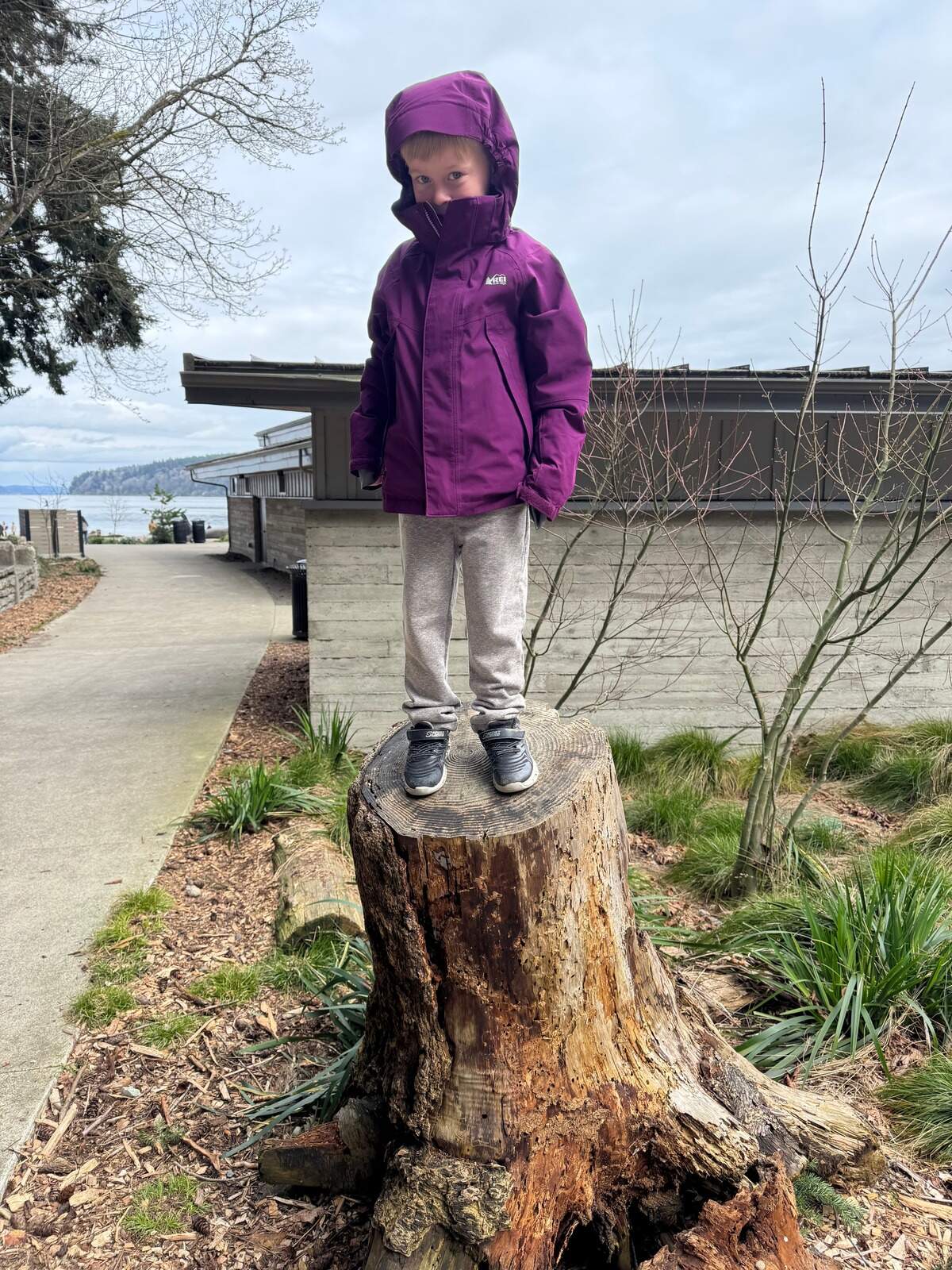
Parks Tacoma isn’t against geocaching or geolocating. In fact, it has its own augmented-reality, geo-tracking app called Agents of Discovery.
Agents of Discovery is downloadable on Google Play and the App Store and is engineered to educate children about what’s around them in Tacoma’s parks by triggering different challenges as players walk down the trail. Missions and challenges regularly change.
Current Tacoma Missions can be found at Dickman Mill (Ruston Way), Oak Tree Park, Point Defiance Park Duck Pond, Tacoma Nature Center, Swan Creek Park, Lister Uplands and Wright Park.
Whether you’re playing Agents of Discovery or Pokémon Go, the key, Crask says, is to “always be aware of your true surroundings.”
So, get out there and look around this summer, Tacoma. There’s fun to be had in all worlds, augmented and otherwise. Just don’t forget to pay attention to both. It would be a real shame to finally capture a hidden Ditto and then completely miss the family of orcas swimming behind it.
.jpg)