
First-ever national policy for rock climbing proposed by the Forest Service
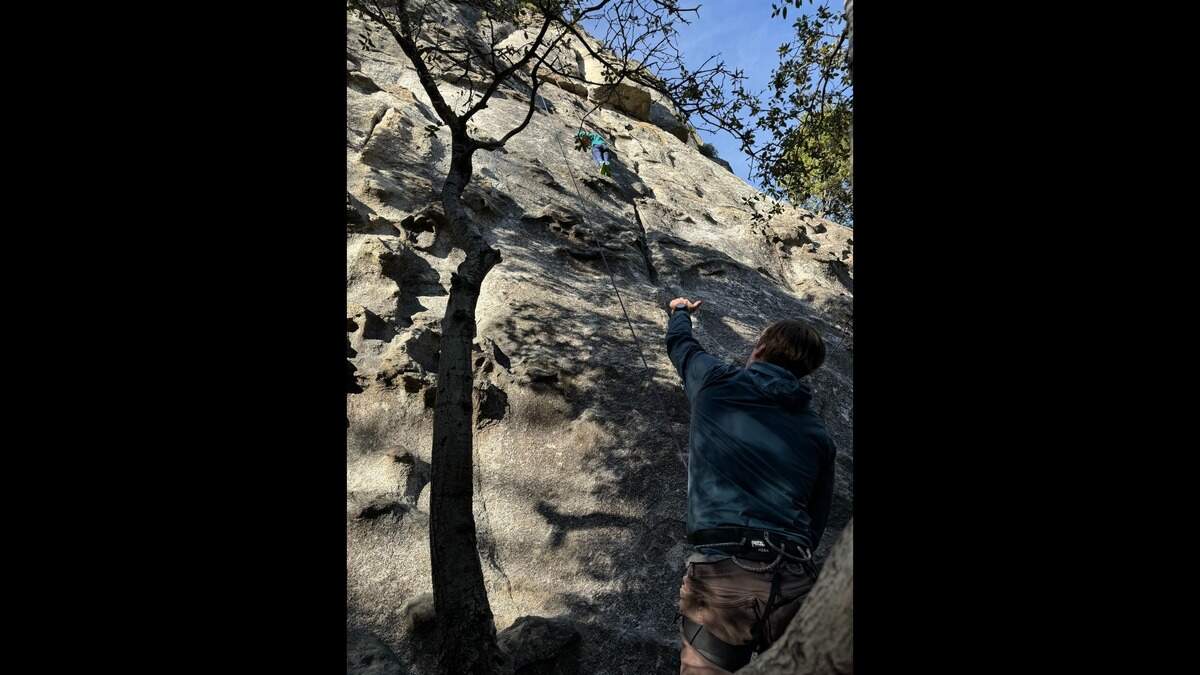
The U.S. Forest Service has announced it will publish a proposed, first-ever, rock-climbing directive in the Federal Register following a 30-day public comment period, which began Thursday.
The Wednesday announcement comes on the heels of newly released climbing-management guidelines from the U.S. Department of the Interior, which includes the National Park Service, Bureau of Land Management, U.S. Fish and Wildlife Service, and U.S. Forest Service.
Over the last decade, rock climbing has grown from a fairly obscure outdoor pursuit to a full-blown mainstream sport. It was officially introduced to the Olympics in 2020, and the number of indoor rock-climbing gyms has doubled since 2016.
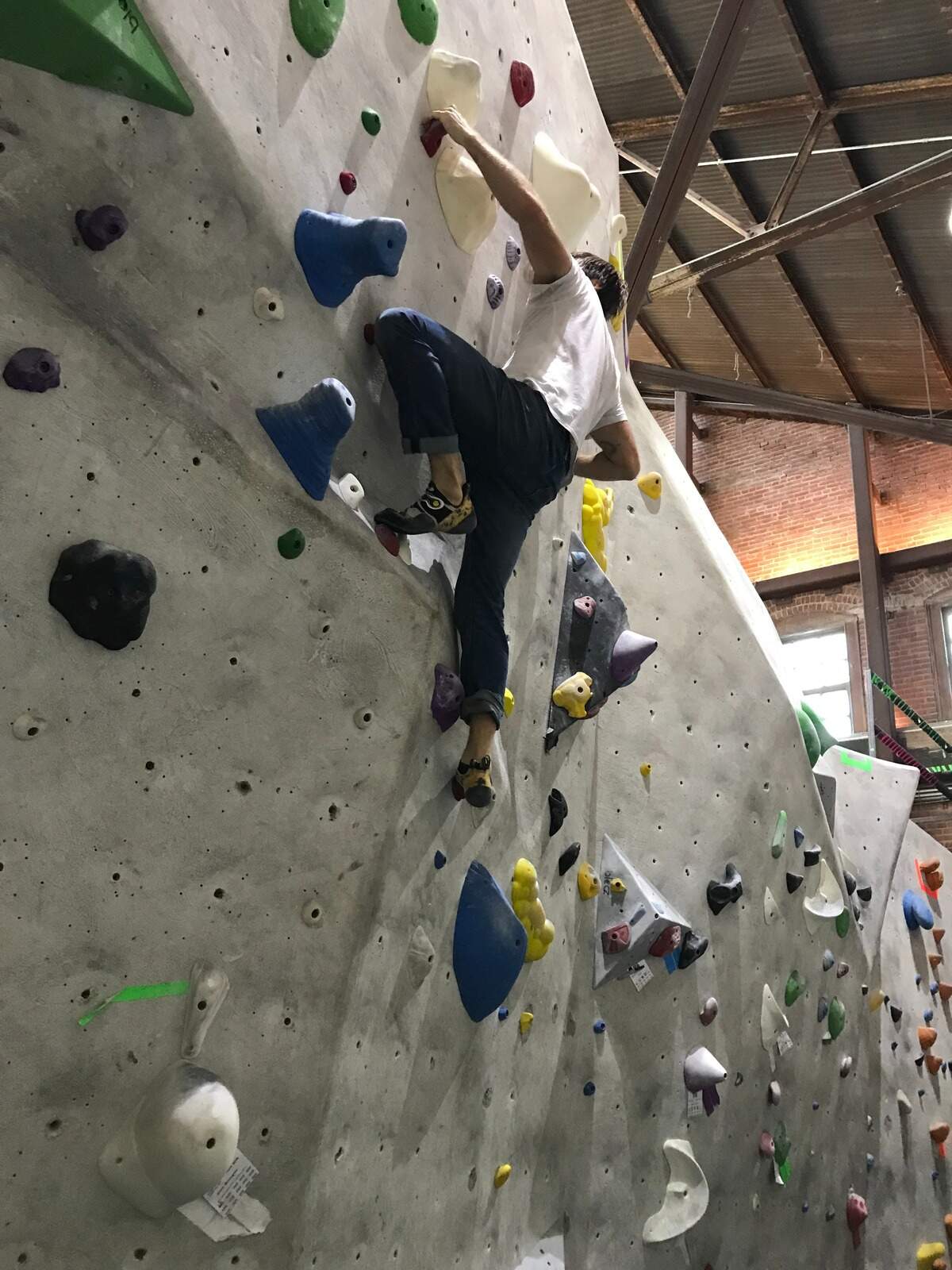
Eventually, those who learn to climb inside make their way outside and straight onto public lands.
Rock climbing outside requires many pieces of gear to provide protection in case of falls. Anchoring systems use stainless steel bolts drilled into rock to hold ropes; camming devices like camalots and nuts are placed in cracks while traditional, or “trad” climbing; chalk is used on hands to eliminate sweat; crash pads are used as protection when “bouldering” and not using ropes.
The use of bolts on rock in America’s public lands has been a contentious debate ever since the passing of the Wilderness Act in 1964, where some wilderness advocates believe that rock-climbing anchors and protection might violate “Leave No Trace” ethics.
Bolts, camming devices and chalk traditionally have been considered appropriate to use in wilderness areas by public agencies, but it has always been highly recommended that historical ethics be researched and local climbing communities consulted prior to any installations.
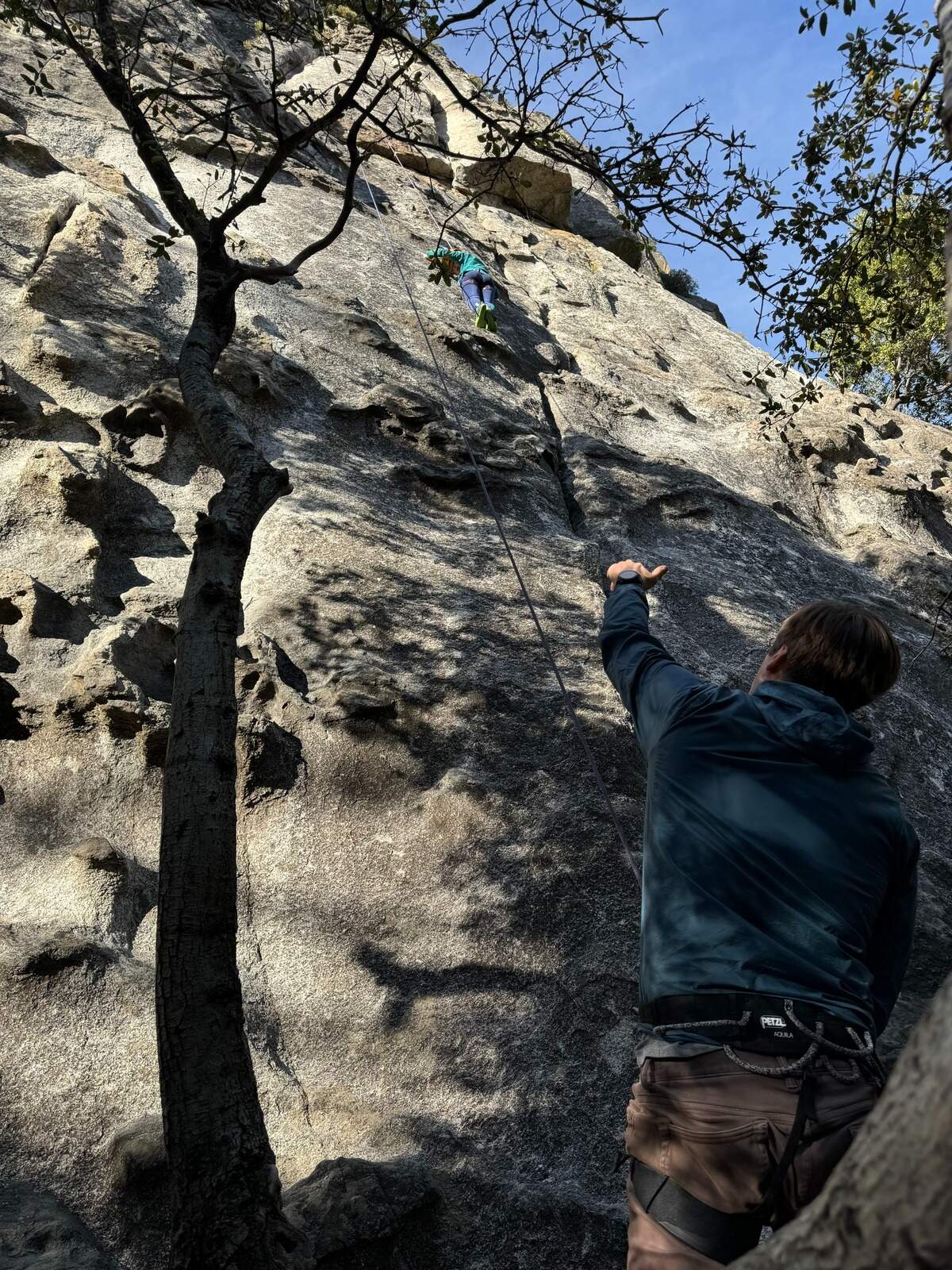
Not until President Biden signed the EXPLORE Act, which included the PARC (Protect America’s Rock Climbing) Act, on Jan. 4, 2025, were previously placed – and often historical – bolts and anchors officially protected.
On Jun 10, 2026, Department of the Interior Secretary Burgum released a video from Yosemite Valley on social media announcing that the DOI is “seeking public input to put together a consistent national framework for recreational climbing across all NPS, BLM, and U.S. Fish and Wildlife areas.”
On Wednesday, the U.S. Forest Service joined the movement.
“Recreational climbing continues to grow in popularity, with nearly 30 percent of all outdoor climbing occurring on National Forest System lands,” Forest Service Chief Tom Schultz said in a statement. “This proposed directive provides much-needed national policy for climbing activities and gives local decision-makers the ability to work with partners, tribes, climbing organizations, and others to ensure visitors are having safe, responsible, and accessible outdoor experiences.”
Access Fund, a nonprofit dedicated to protecting America’s climbing areas, noted on Wednesday that, “The NPS, BLM, and FWS draft policies address only Wilderness climbing management, while the USFS draft policy applies to both Wilderness and non-Wilderness climbing areas — roughly 30% of America’s climbing.”
The Access Fund is asking climbers to learn more and submit comments using its letter-writing tool at accessfund.org/take-action.
Although it has not been federally regulated before, rock climbing has not been the “Wild West.” Nonprofits like Access Fund and American Alpine Club, along with local organizations like the Washington Climbers Coalition have helped govern and protect rock climbing across public lands for decades.
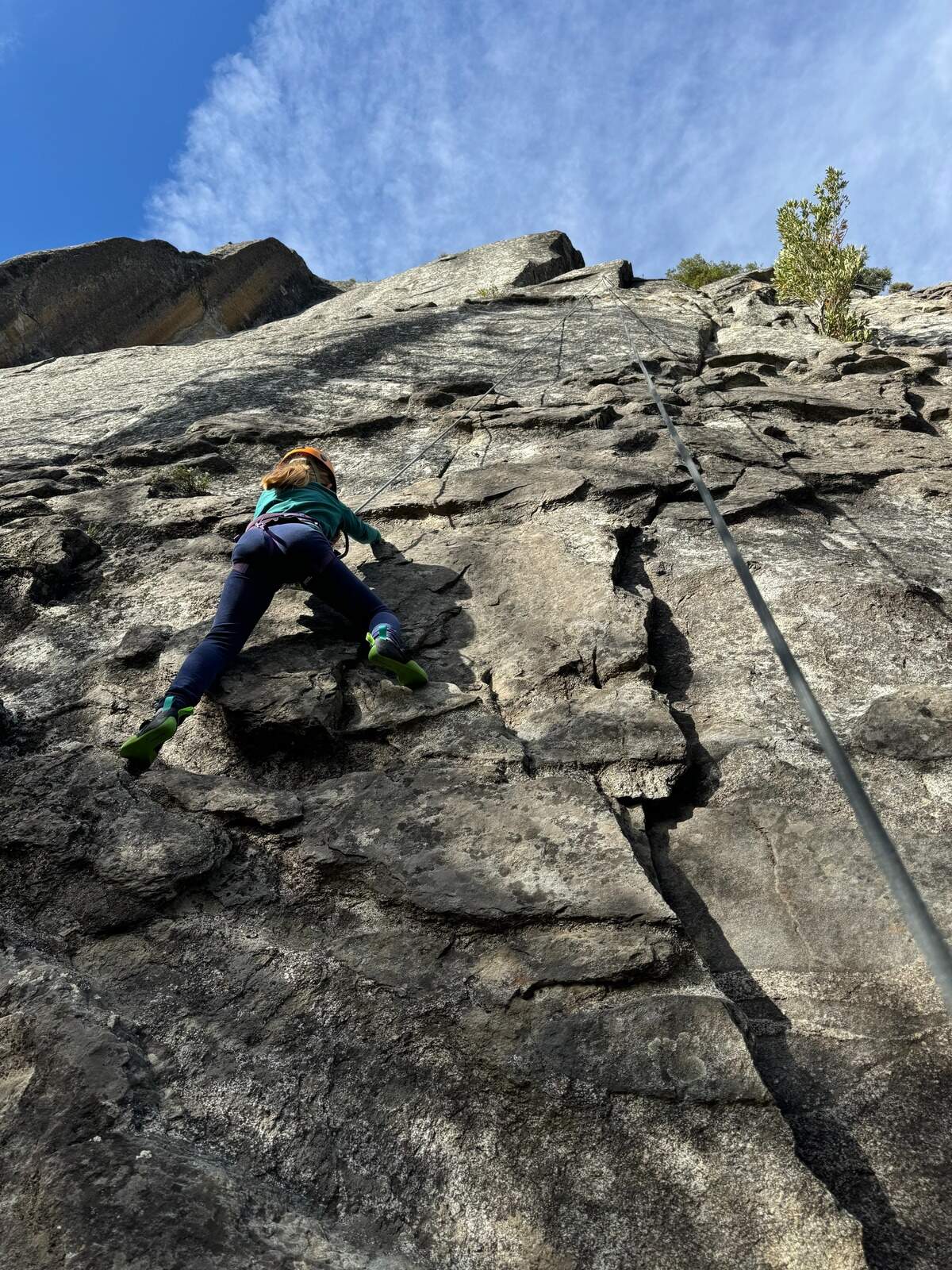
In Washington State, popular and nationally renowned climbing areas around Leavenworth, Index, North Bend, Washington Pass, Vantage and Mount Rainier all stand to be affected by the proposal.
While the Forest Service 30-day comment period started on June 18, NPS, BLM, and U.S. Department of Fish & Wildlife all have 60-day comment periods, which began on June 15.
Access Fund supports the public draft policies but recommends certain revisions and clarifications.
“The draft climbing management guidance can be improved, but the spirit of the policies protects America’s climbing legacy, and the spirit of adventure,” Executive Director of Access Fund Heather Thorne said in a statement.
Jess Powell, Advocacy and Sustainability Manager at Black Diamond Equipment, an American manufacturer of climbing gear, said they are “pleased to see an approach to climbing management that helps protect access to climbing adventures while supporting the stewardship of the landscapes that make them possible.”
The proposed rules can be viewed and comments submitted through the USDA Website.
This story was originally published June 19, 2026 at 11:00 AM.
.jpg)