
Navy pilot who airlifted victim from 250-foot Pierce County fall tells story
At 4:45 a.m. on Friday, Navy helicopter pilot Lt. Victoria Weckenbrock’s phone rang. She was on call at Naval Air Station (NAS) Whidbey as a member of the Station Search and Rescue Whidbey (SAR) Team. Her team’s primary responsibility is to be available when the “growlers,” Boeing EA-18G Navy jets, are in the air.
As a helicopter pilot at NAS Whidbey and a member of the SAR team, Weckenbrock and her crew also support the region by providing advanced lifesaving care from the air on an MH-60S “Sierra” Knighthawk helicopter.
She’s been at Station SAR Whidbey for six months. It took three months (as is standard procedure) to become qualified to fly missions, and since becoming qualified, she had flown three missions, or one a month.
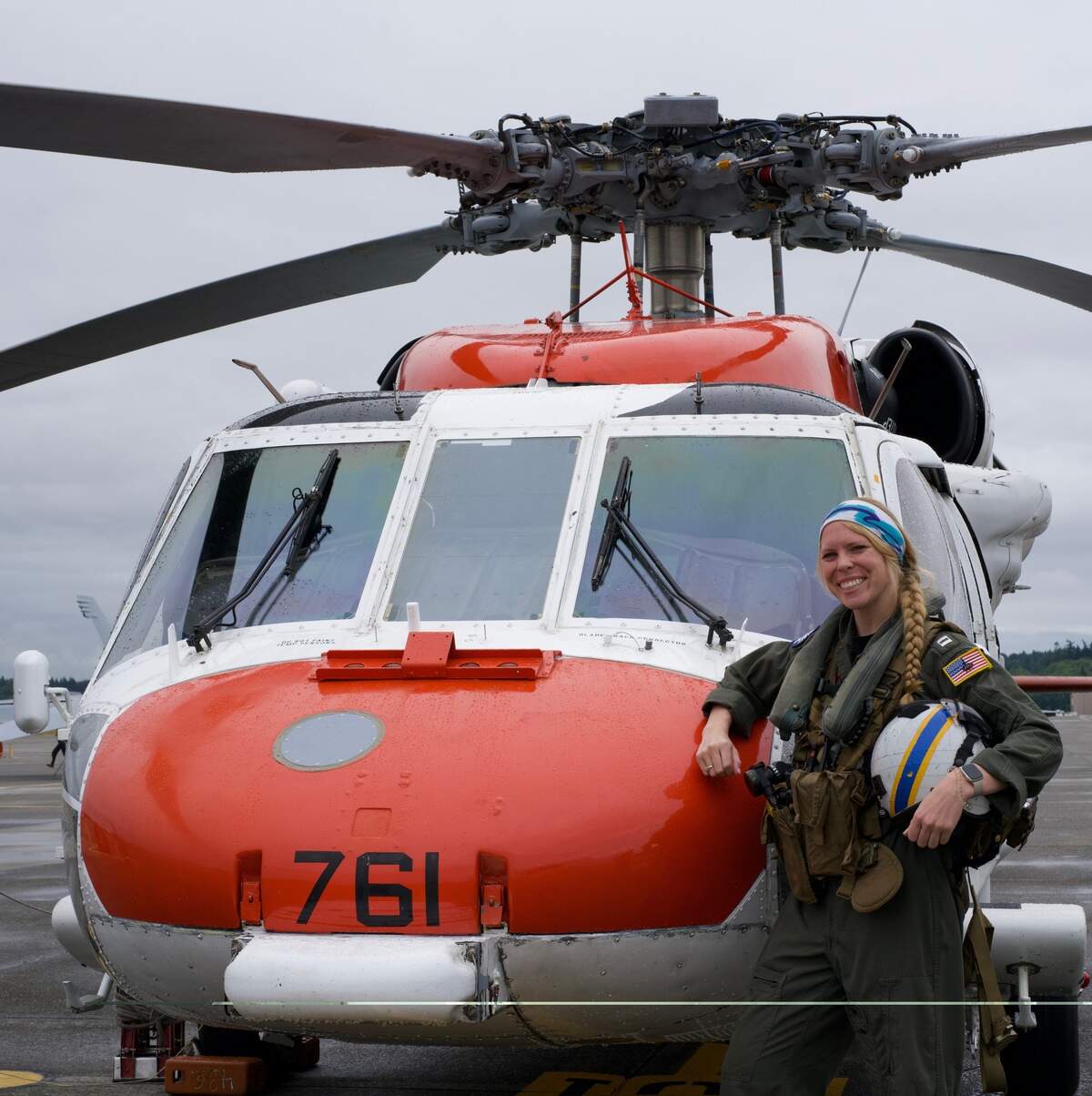
The incoming call on Friday morning was her fourth.
“The initial message Station SAR received was four hikers needing rescue, which ended up not being true,” Weckenbrock told The News Tribune. “’Two uninjured, two injured. One puncture wound, one internal. State requesting help with hoist. Bad weather.’ That was it.”
Weckenbrock caught up with The News Tribune over the phone late Friday afternoon after a long morning at work. She was piloting the helicopter that hoisted out a victim who had been pinned under a car near T-Rex Falls near Wilkeson after the vehicle fell 250 feet.
This is the story of how her team came together to navigate difficult weather conditions and mountainous terrain to get the victim critical care and transport to Harborview Hospital.
84 nautical miles
Weckenbrock’s cat was confused when she popped out of bed and headed to base. At 4:45 a.m., it wasn’t her usual routine. But her SAR mission commander (SMC) had reached out and informed her they’d been called for a rescue mission.
By 5:30 a.m., a team of five had assembled and was prepping the Knighthawk to go. The team on Friday was SMC Lt. Michael Monson, Crew Chief Lance Asbill, Helicopter In-Flight Rappel Aircrewman (HIRA) Taylor Reed, SAR Medical Technician (SMT) Lane Ries, and Weckenbrock.
“We knew it was going to be low visibility when we got to the area,” Weckenbrock said. “So we had to plan an appropriate route to get down there.”
They launched and stayed over the water the entire time to avoid as much fog as they could. It was 84 nautical miles to the accident site, which took them about 45 minutes.
Once they were close, they did what Weckenbrock calls “power checks” to ensure their systems were functioning properly and that they were safe to hover.
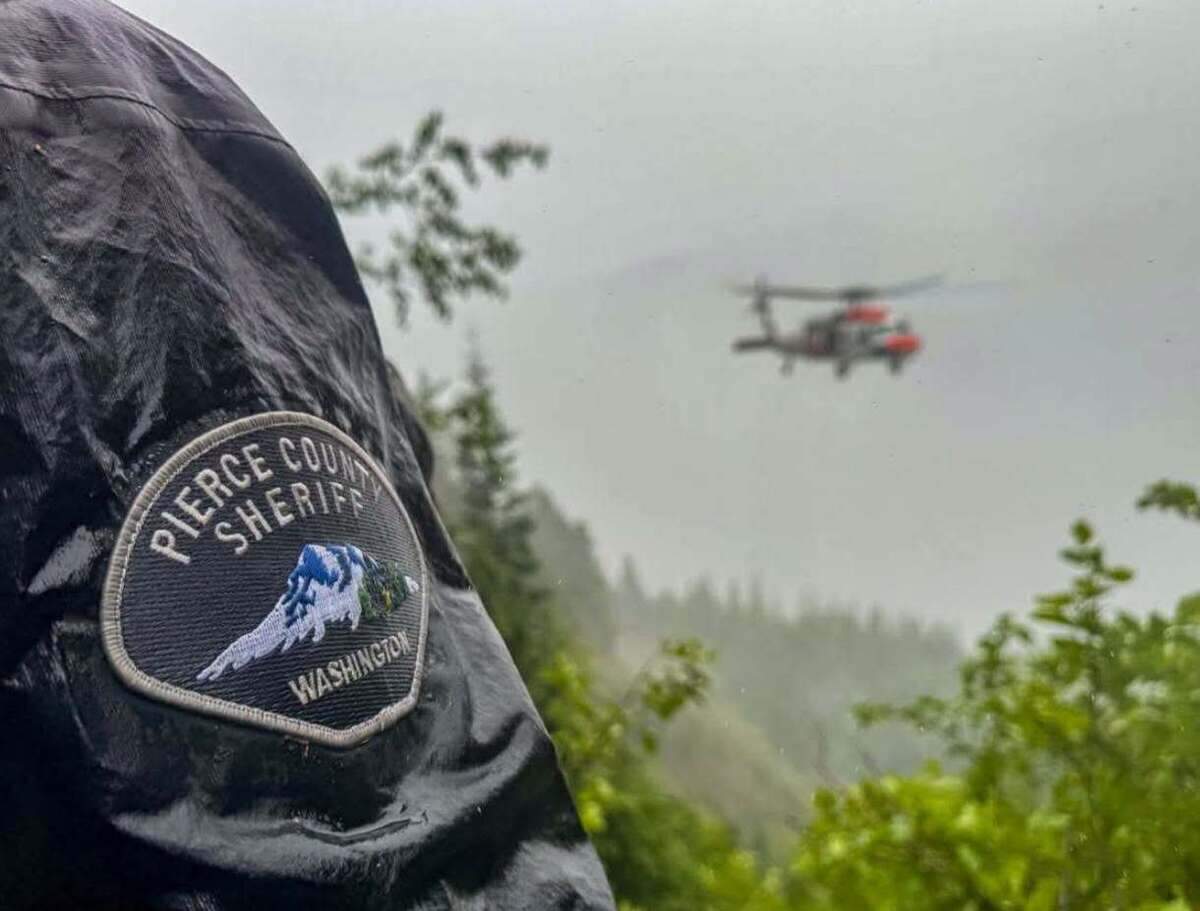
Then they crept along the ridgeline to locate the site. It was easy to find because there were so many people, and the ground team had strobe lights.
She estimates they arrived at the site around 7:15 a.m. Once they got onto the scene, they evaluated.
It was foggy, there were a lot of trees, and the rescue zone was in a mountainous area near many cliffs.
“There was a lot of fog; it was all around us, but we could see the ground crew and ridgeline the entire time, so it wasn’t horrible,” Weckenbrock said.
As luck (or, rather, extreme preparedness) would have it, Station SAR Whidbey practices for this kind of terrain, daily.
“We have areas both on Whidbey and around the region where we can practice these sorts of inserts,” Weckenbrock said. “Every day we don’t have a mission, we’re out training. The guys and gals in the back are rappelling into these areas and learning how to get stable on inclines, and we also have methods we can use if it is super steep terrain, where we stay on hoist when rappelling is too dangerous. But rappeling wasn’t an issue here.”
The hoist
Weckenbrock said ground crews, composed of the Pierce County Sheriff’s Office and multiple volunteer groups, had rigged a rope system, so the Navy crew felt confident they could get on the ground and have enough to grab onto to make their way to the victim.
On their way over, the Station SAR team learned one of the victims had been carried out and was taken to an airlift that was waiting at the local high school.
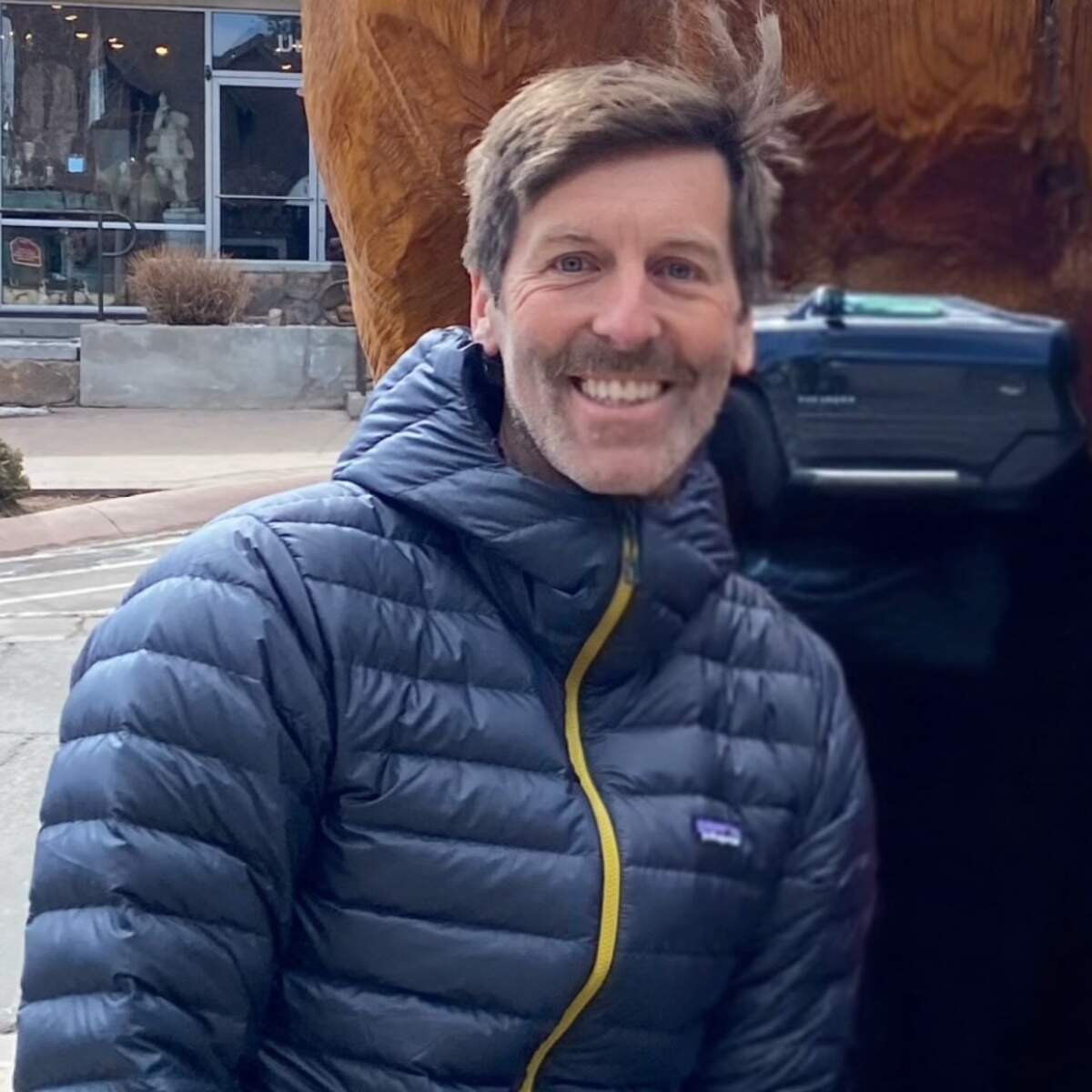
The other victim was still on scene. After the car had flipped, he was pinned under the vehicle. And he was still there. In fact, by most estimates, he had been there for over nine hours and was definitely hypothermic.
“They were still working on getting him out while we were transiting,” Weckenbrock remembered. “And also for a time when we got on scene.”
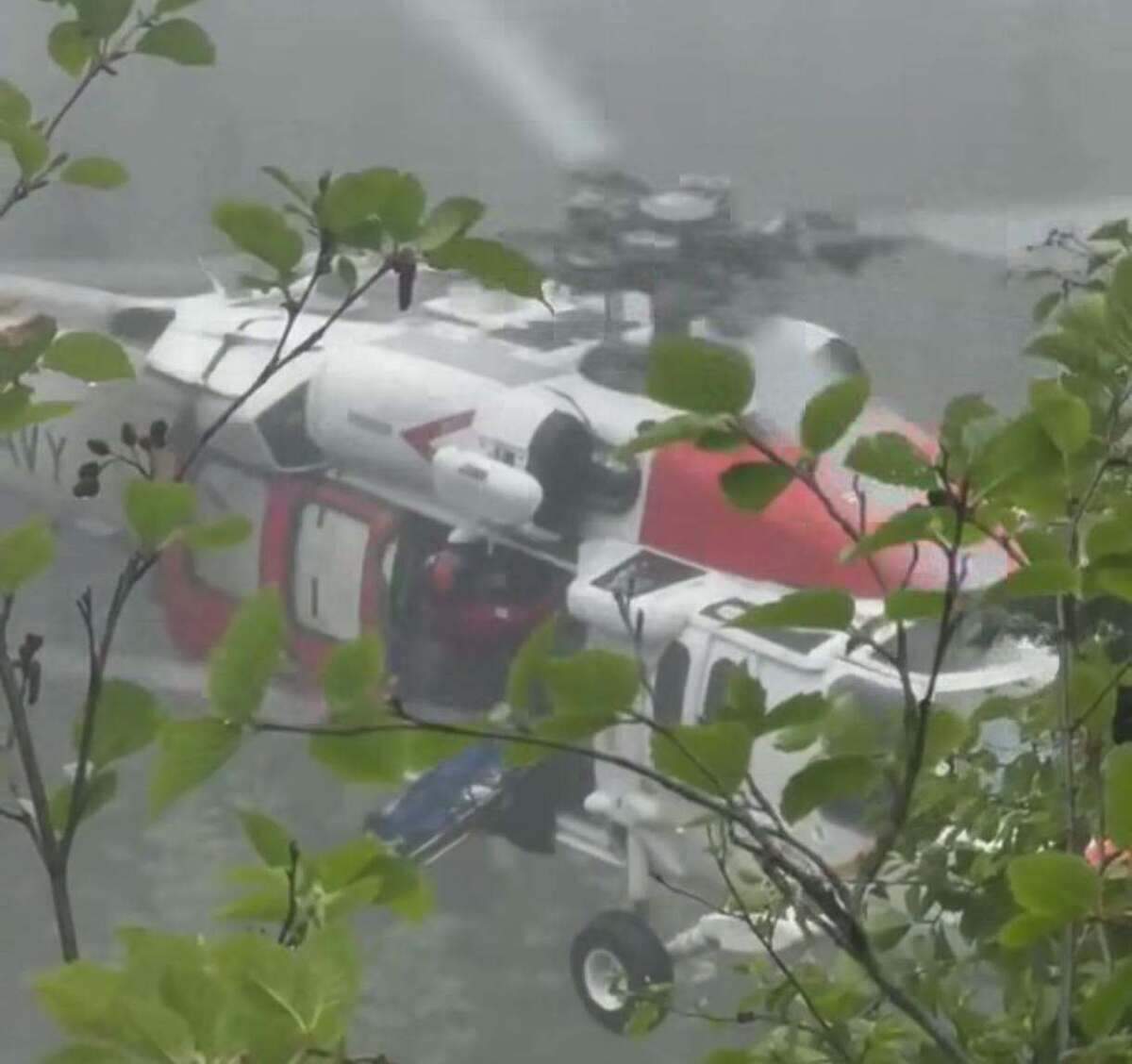
For the insert (deployment into a rescue situation), Monson and Reed rappelled under the helicopter with all the gear they needed. From there, they assessed and packaged the patient for transport.
For a time, Weckenbrock had to get lost.
“It’s really difficult for the ground crew to have a conversation with a helicopter sitting above you,” Weckenbrock said.
When she returned, she had to get into a low enough position to hoist them out.
“With the terrain and trees, it varied a fair amount. But I hovered somewhere between 40-50 feet up,” she said.
Once she was in a stable hover, using 50 feet of cable, the crew sent the hoist down. Monson came up first with the victim, and HIRA Reed was next.
Once they had everyone on board, it was a straight shot to Harborview in Seattle.
“The report I got from the SMC,” Weckenbrock said, “was that the victim was stable. His leg was smashed, but otherwise, he seemed stable. I believe he was hypothermic at that point. The other three, I have no information on.”
After dropping the victim at Harborview, Weckenbrock and crew headed for home. The News Tribune spoke to her after she’d managed to grab a two-hour nap. Her cat was meowing in the background.
“She’s wondering why I was sleeping in the middle of the day,” Weckenbrock laughed.
As for the rest of her day, Weckenbrock was back on duty Friday night.
“As long as jets are flying, we’re on base,” she said.
But she’s up for it. In fact, she said it’s the best job in the world.
“Everyone here chose to be here. And is very proud and loves what we do. It’s a good way to give back to the community. Flying is the best. Not only do you get wonderful views, but you get to help individuals who are probably having the worst day of their lives.”
.jpg)