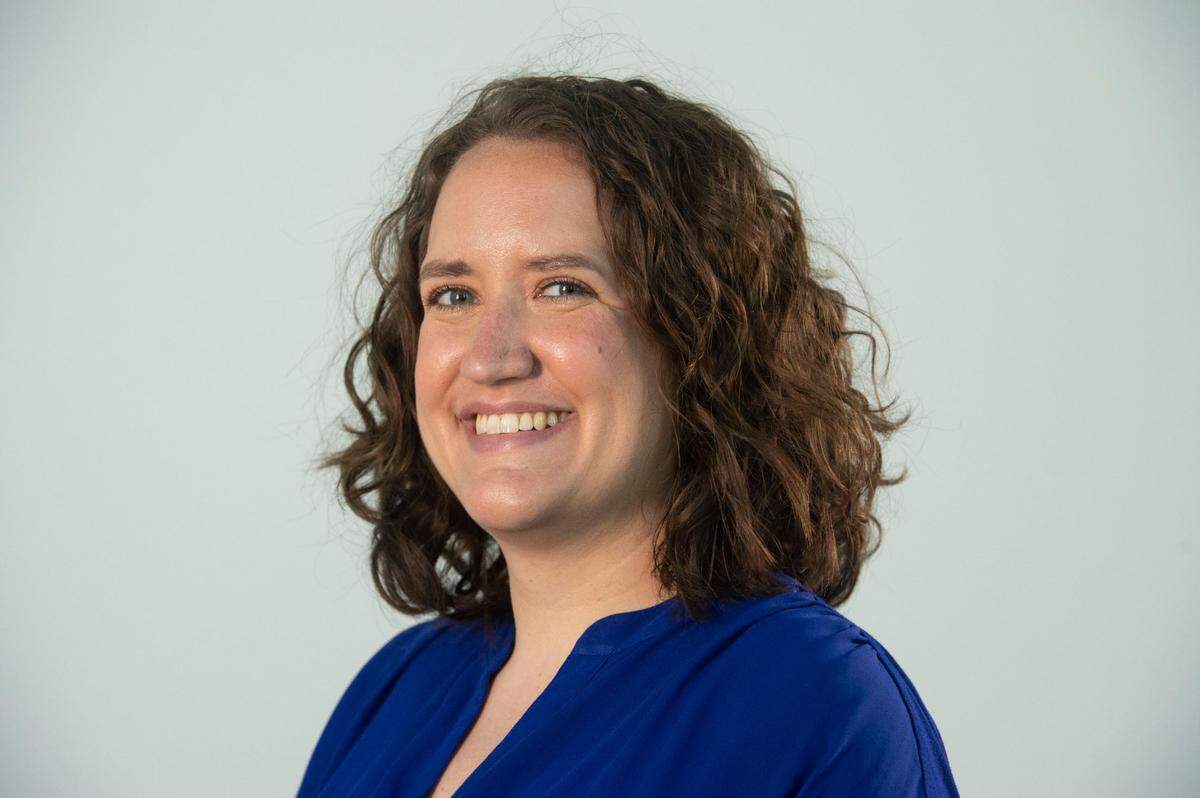
UW coach Jimmy Lake on eligibility questions, #WeAreUnited, player motivation and more
Last week, the Pac-12 canceled all sport competitions through the end of 2020.
The decision wiped out the fall football season and the 10-game, conference-only schedule that had been recently announced. The conference did leave open the possibility of a spring season, and UW head coach Jimmy Lake outlined how he thinks it could work.
Along with the potential spring season, Lake and UW head football trainer and Associate Athletic Director for Health and Wellness Rob Scheidegger held a teleconference last week to discuss several other topics related to the Pac-12’s decision.
Here’s a rundown of what that conversation covered:
Eligibility questions
Lake said he expects the NCAA to address eligibility in the coming days. A potential solution under discussion, he said, is putting eligibility on pause. Since UW has 13 seniors, it would be able to add 13 additional scholarships on top of its 85. The NCAA extended eligibility for spring sports athletes after their season was canceled.
The NCAA Division I Council released a statement last week that recommended the Division I board of directors give student-athletes impacted by the COVID-19 pandemic an extension of their five-year period of eligibility and an additional season of competition if they participate in 50% or less of the maximum number of competitions allowed in each sport by rule.
The statement also said council members would discuss other protections like required medical coverage if an athlete tests positive for COVID-19 and a prohibition on canceling, reducing or not renewing athletic aid for athletes who opt out of competition due to the pandemic.
The next question for Lake will be figuring out how many seniors and juniors choose to return. Seniors Elijah Molden and Levi Onwuzurike both bypassed the 2020 NFL Draft to return to UW. They’ll now be faced with that decision again, and there are several juniors who will also be weighing their options. Lake said he’s already started having those conversations.
“There’s a few things in play here,” Lake said. “Is the NFL going to be able to get their season off? Are they going to be able to play all of their games? Are they still going to have the combine in February and the draft in April and May? I’ve heard talk there is potential that they are going to move that back. Even if they have their season, if our Power Five conferences are not playing and the rest of college football is not playing, I’ve heard they may move the combine back and they may move the draft back.
“There is a lot in play here. The message to those guys who are in that position is let’s be patient, let’s see what happens here in the next couple months, and let’s make an informed decision. If you can make an informed decision, everyone is going to feel better about that. Just like the year 2020, it’s a fluid situation and we’ll see how this pans out in the coming months.”
Keeping motivation
With no fall schedule to prepare for, the next few months will be uncharted territory for UW and the rest of the Pac-12. But Lake said he’s not concerned about keeping his players motivated, especially with the possibility of spring football still lingering.
“We have some of the most competitive guys on our roster that want to be great at football so the motivation is going to be very, very simple,” Lake said. “This is an unbelievable opportunity for them to get bigger, faster, stronger, learn their technique inside and out, learn our schemes inside and out and they’re going to be ready to go when we decide to play football again.
“I’ll tell you this, if we get this virus under control, there’s a possibility we have spring football in the fall. How about that, a little spring football in the fall and maybe if we get this virus under control, we could maybe get some fans out there and watch a little spring football in November.”
A promising development
Along with community prevalence and understanding health outcomes related to the virus, Scheidegger said increased testing would be a key factor in determining the feasibility of a spring season.
“I think that will be a real game-changer,” Scheidegger said, “and in particular point of care, immediate testing to ensure everyone is healthy within our footprint and when we compete, that we’re competing against healthy individuals.”
There was a promising development on that front this week as the FDA approved a coronavirus testing system known as SalivaDirect. The NBA and the NBA Players Association helped fund the test, which was developed by Yale University. SaliviaDirect costs as little as $4 a test and can provide results within a few hours. It’s also easier to administer than current tests because it uses saliva instead of a nasal swab.
No bubble
The NBA, WNBA and NHL have all been successful holding games inside of bubbles, but Lake and Scheidegger both said that wasn’t a possibility for college football.
“I do not believe that is feasible,” Lake said. “We’re obviously on a college campus. The thought of not allowing our students to come here and go to school and get a higher education and to put all these resources to put our athletes into some type of bubble like the professionals so we can play football, I think that misses the mark.
“If it’s not safe for our students to come to school here, it’s not safe for our student-athletes to be around other students, we shouldn’t put a bunch of resources just to get these guys on a football field to play football.”
Scheidegger said all options were at least considered.
“We wanted to provide an opportunity for our coaches and student-athletes this fall,” Scheidegger said. “We explored that and for the reasons that Coach Lake outlined, it’s not a feasible option for college.”
#WeAreUnited
Lake was also asked about the #WeAreUnited player movement.
Before the fall season was canceled, the group — which claims to represent hundreds of Pac-12 football players — threatened to opt-out of fall camp and game participation unless their demands were met by the conference. Those demands included fair treatment, safety regulations amid the COVID-19 pandemic, revenue sharing and an end to racial injustice in college athletics.
Two UW players — senior wide receiver Ty Jones and junior linebacker Joe Tryon — were listed as media contacts for the movement and signed a letter criticizing the response of Pac-12 commissioner Larry Scott after the group met with him last week.
“I think a lot of the bullet points for that movement, a lot of us can get behind and that’s what we talked about with our team meetings,” Lake said. “We all want to stay safe from COVID-19 and and what are the protocols that we’re doing here in this building and what are our opponents doing? I think we can all get behind that.
“And I think we can all get behind the social justice issues that were mentioned in the movement and we have things that we’re doing here and we’re going to to continue to do here to make sure our players feel like their voice is being heard.”
Lake said he believes the Pac-12 is at the forefront when it comes to both COVID-19 protocols and the handling of issues related to social justice and racial justice.
But, he added, it’s more difficult to address some of the economic and policy issues at a team or conference level. Those demands included 50% revenue sharing with athletes and the “freedom to secure representation, receive basic necessities from any third party and earn money for use of our name, image, and likeness rights.”
“Our players, they knew that was out of the University of Washington’s, out of the Pac-12’s hands,” Lake said. “Those issues are with the NCAA. As soon as we pay players, we will be banned from bowl games. We will be reduced in scholarships. We will be setting off alarms to the NCAA if we start paying players. That’s way above us.
“Now, if they collectively as a nation, the NCAA … wants to get together and change the rule of how we’re going to eventually of how we’re going to give more money to student athletes then that’s a great conversation to have. Currently, there’s legislation right now, the name, image and likeness (NIL) that is in Congress’ hands right now. … There’s things that are already in motion to help out our student-athletes.”
This story was originally published August 17, 2020 at 2:25 PM.