The one-and-one is dead in high school basketball. Has it worked? Coaches weigh in
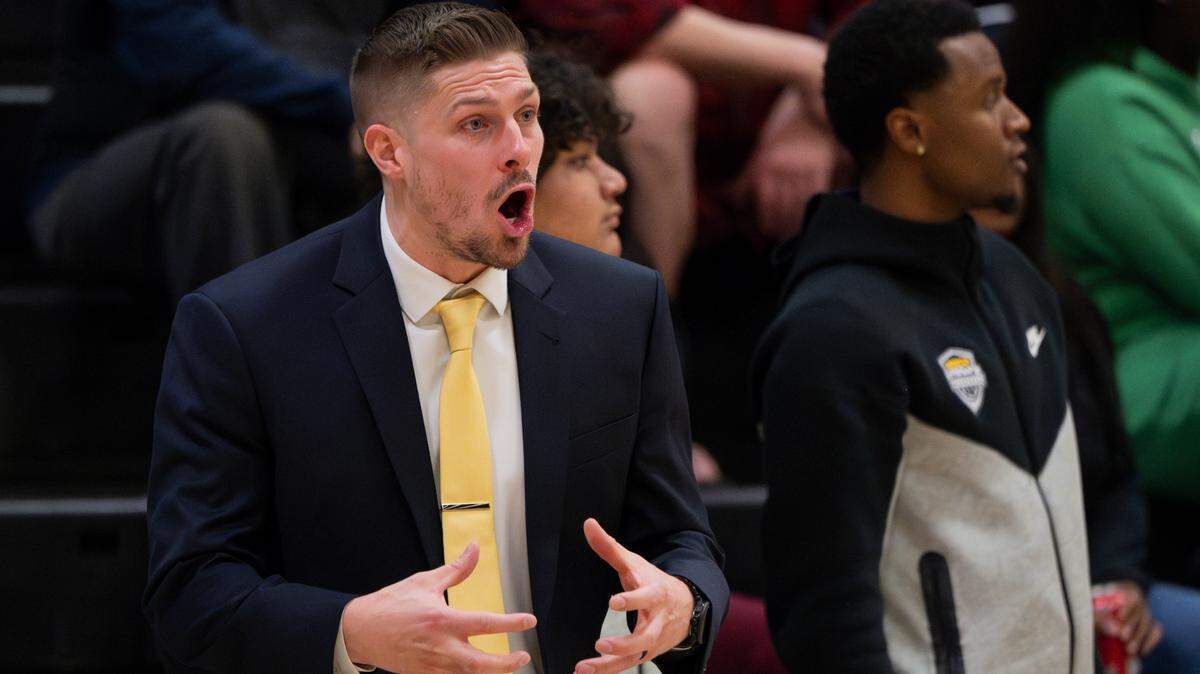
High school basketball players missing the clutch gene have been given a gift in the 2023-24 basketball season: the one-and-one is dead. Late in the game, once teams reach the “bonus,” players are now guaranteed two free throw attempts.
“I think it’s interesting,” Lincoln boys basketball coach Ryan Rogers told The News Tribune late last month. “It changes the thought process late in games about how you’re going to strategize to play the foul game. You have to make sure you’re ready to shoot some free throws and make sure kids are confident shooting free throws in those situations.”
The rule change, which was put into effect nationwide by the National Federation of State High School Associations (NFHS) before the season, reworked the bonus format. In basketball, the bonus is reached when the opposing team reaches a certain number of total team fouls in a period.
Teams now reach the bonus when their opponent commits five fouls in each quarter, and team fouls will reset at the end of each quarter. Previously, teams were awarded the one-and-one bonus when their opponents committed seven fouls in a half and two foul shots when 10 fouls were committed each half.
Now, teams arrive at the bonus faster in the first and third quarters and are guaranteed two free throw attempts per foul once they reach the threshold, but the foul count resets after each quarter. Tahoma boys basketball coach Rick Tripp said he think there’s less pressure on players in late-game situations, knowing they’ll have a second shot even if they miss the first. He also thinks it gives teams more flexibility to be aggressive toward the end of quarters if their team foul count is below five.
“Strategically, you can go be aggressive because it resets to zero,” he said. “You might be in the bonus at the end of the first or third and then it resets. ... So we’ve had a couple instances this year where that’s happened and I had fouls to give. One game was a close game, I think like 10 seconds left, we were able to foul three times. It was to our advantage. I think if you’re ahead, it’s a big advantage when you get to that double bonus.”
The rule change was intended to help the flow and pace of the game. It was also intended to help reduce the risk of injury, eliminating the front end of the one-and-one.
“The rules committee studied data that showed higher injury rates on rebounding situations and saw this as an opportunity to reduce opportunities for rough play during rebounds,” said Lindsey Atkinson, NFHS director of Sports and liaison to the Basketball Rules Committee. “Additionally, resetting the fouls each quarter will improve game flow and allow teams to adjust their play by not carrying foul totals to quarters two and four.”
Curtis boys basketball coach Tim Kelly isn’t sold on the safety aspect of the change.
“You still have a free throw,” he said. “No one is gonna do it differently because it’s the first or second. … I don’t think it’s affected — I don’t see the game changing a lot. They wanted it to be less physical. I don’t see that changed. They’re still calling the same fouls.”
Most coaches seem to be indifferent to the rule change. It hasn’t had a noticeable effect on games.
“So far, I like it, ‘til it bites me in the butt,” Rogers said, laughing.
This story was originally published February 7, 2024 at 5:00 AM.