Seven innings and metal bats: How high school baseball is different from pros
There are no multi-million dollar signings, no free agency period, no lucrative Name, Image and Likeness (NIL) deals from major colleges. High school baseball players don’t have to be ready to pack their bags and move across the country because they’ve been traded.
But at its heart, the game is largely the same. The distance between the bases is 90 feet and the distance from the mound to home plate is 60 feet, 6 inches. The mental chess match between the pitcher and the batter is fundamentally the same, whether a pitcher is tossing 80 miles per hour and cranking out 100 mph heaters at Fenway Park.
What makes the high school game unique compared to college and the pros? Here’s what to know.
SEVEN-INNING GAMES
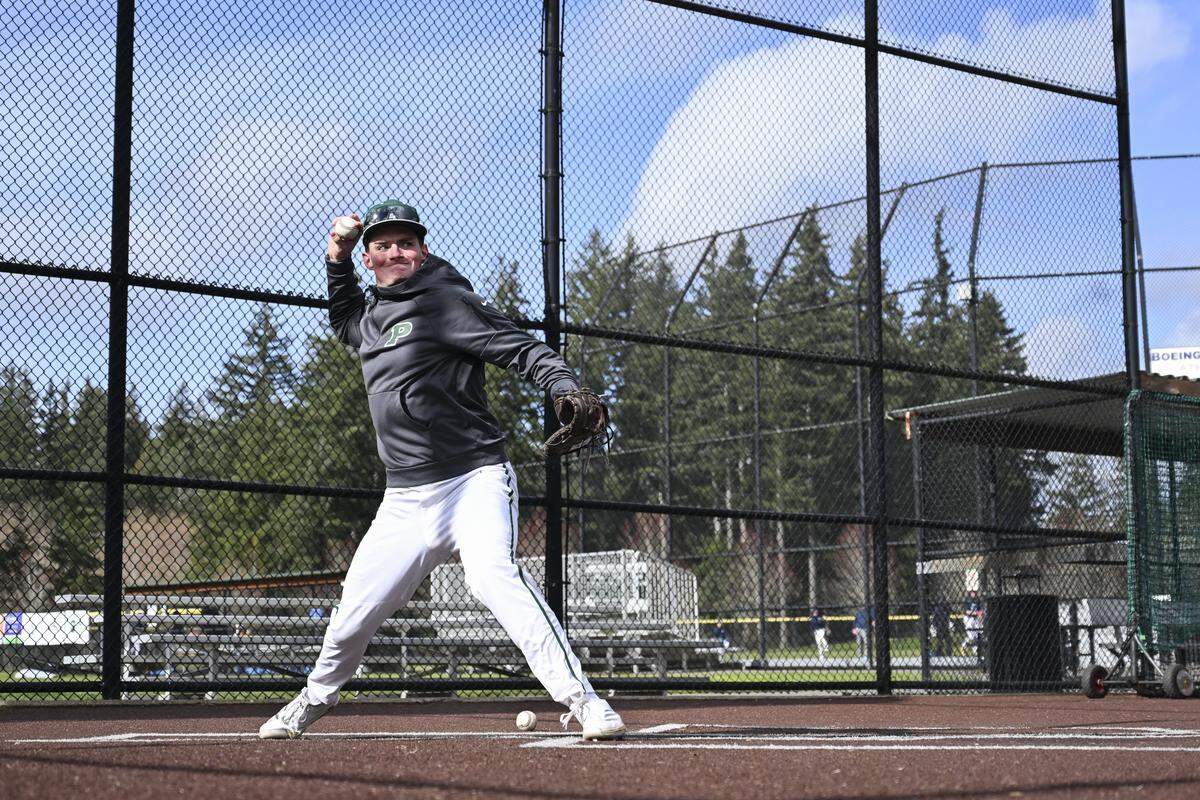
In high school baseball, seven-inning games are standard, rather than the nine innings played in college and the pros. Why? It’s mostly the consideration of all the things teenagers have on their plates, from homework, jobs, other sports and family obligations.
Also, some fields have inadequate lighting — we’re looking at you, Yakima — which is why most high school games begin around 4 p.m. If a game stretches past sunset, poor lighting comes into play.
MERCY RULE
Few people, if any, are feeling sorry for a Major League Baseball team on the wrong side of a blowout. The players are professionals, they’re paid handsomely, and ultimately, it’s entertainment for the fans who paid for tickets and are watching on TV.
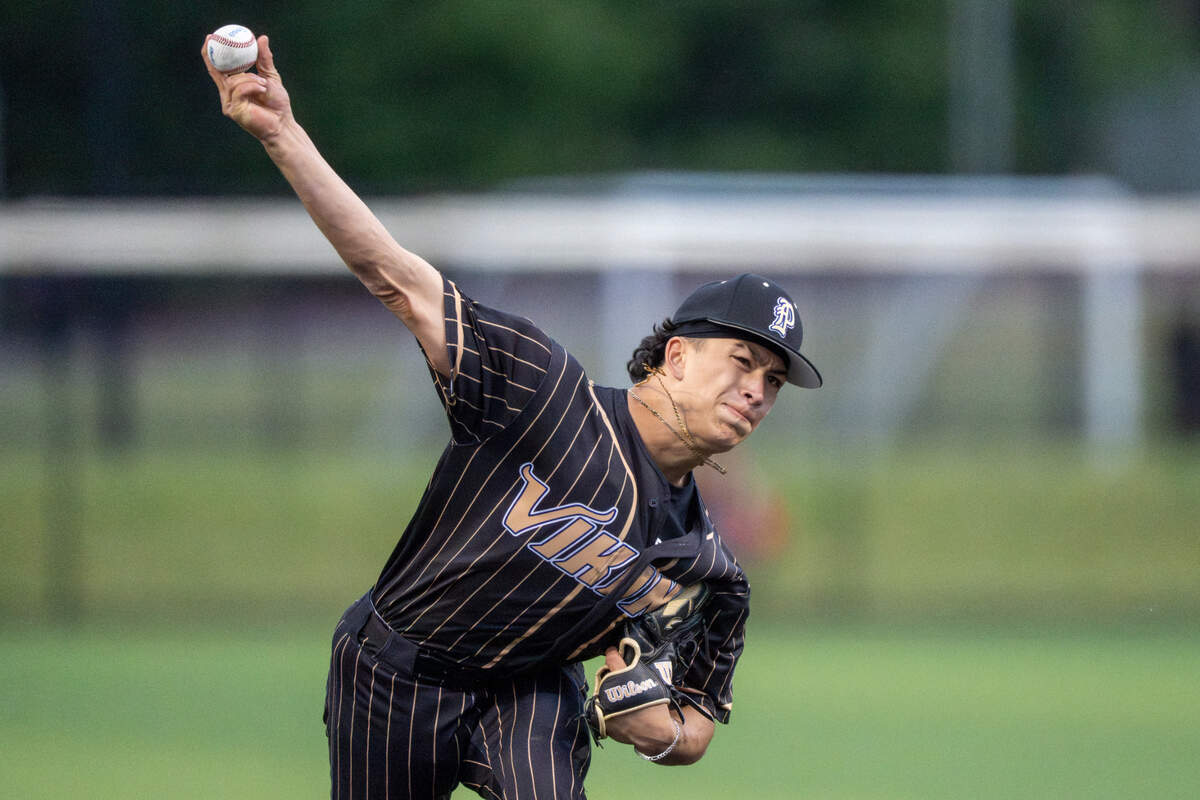
High school is different. As baseball has become an increasingly expensive travel ball sport, economically disadvantaged schools often struggle to compete with suburban programs. Even the coaches of the best programs often feel uncomfortable being on the winning side of a game that gets out of hand, so in Washington, there’s a mercy rule if one team is winning by 10 or more runs after five innings. At that point, the game is called.
PITCH COUNT
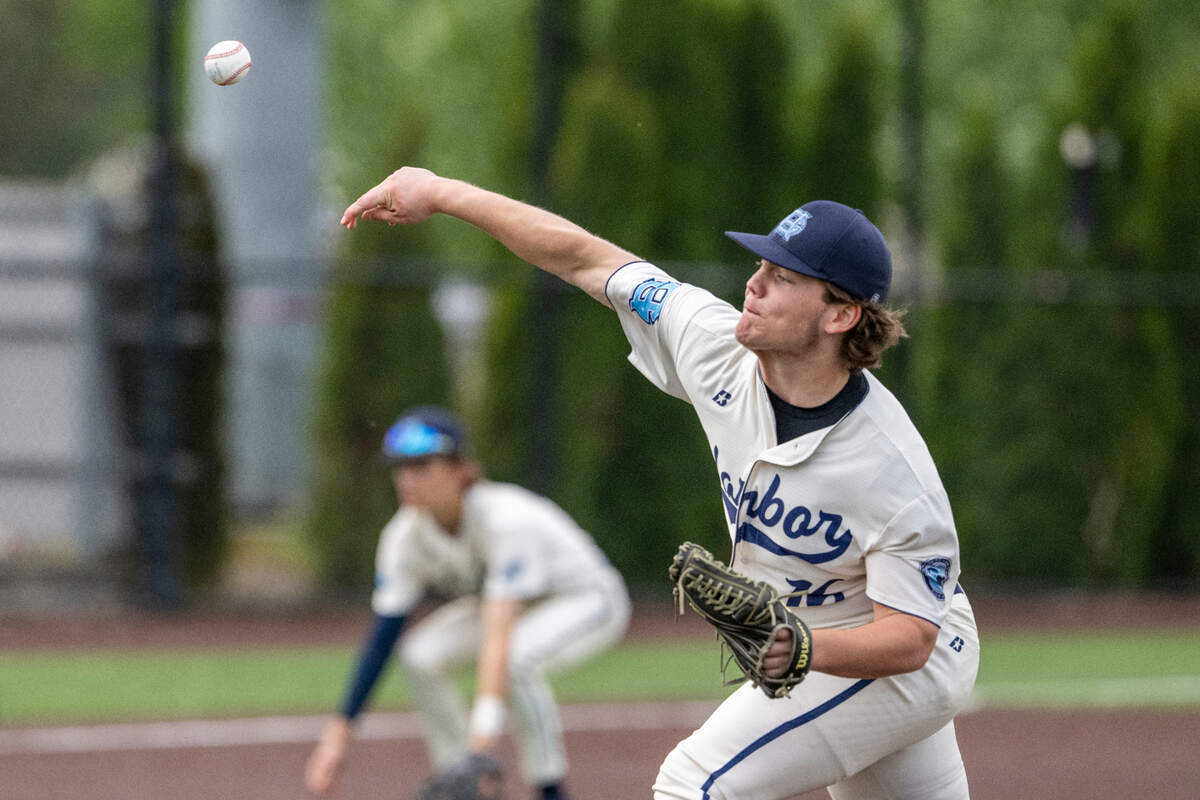
The Washington Interscholastic Activities Association (WIAA) has rules concerning how many pitches a pitcher can throw. The rules are designed to protect the developing arms of adolescent players, who are susceptible to overuse injuries. They’re also in place to reign in overzealous coaches who have their eyes on a title and want to use their ace day in and day out.
Per the WIAA 2025-26 handbook, a pitcher can throw a maximum of 105 pitches in a calendar day. If a pitcher throws 76 to 105 pitches, they’re required to rest three calendar days before throwing again. For 51-75 pitches, it’s two days, for 31-50 pitches, it’s one day and for 1-30 pitches, no additional rest days are required.
METAL BATS AND “SMALL BALL”
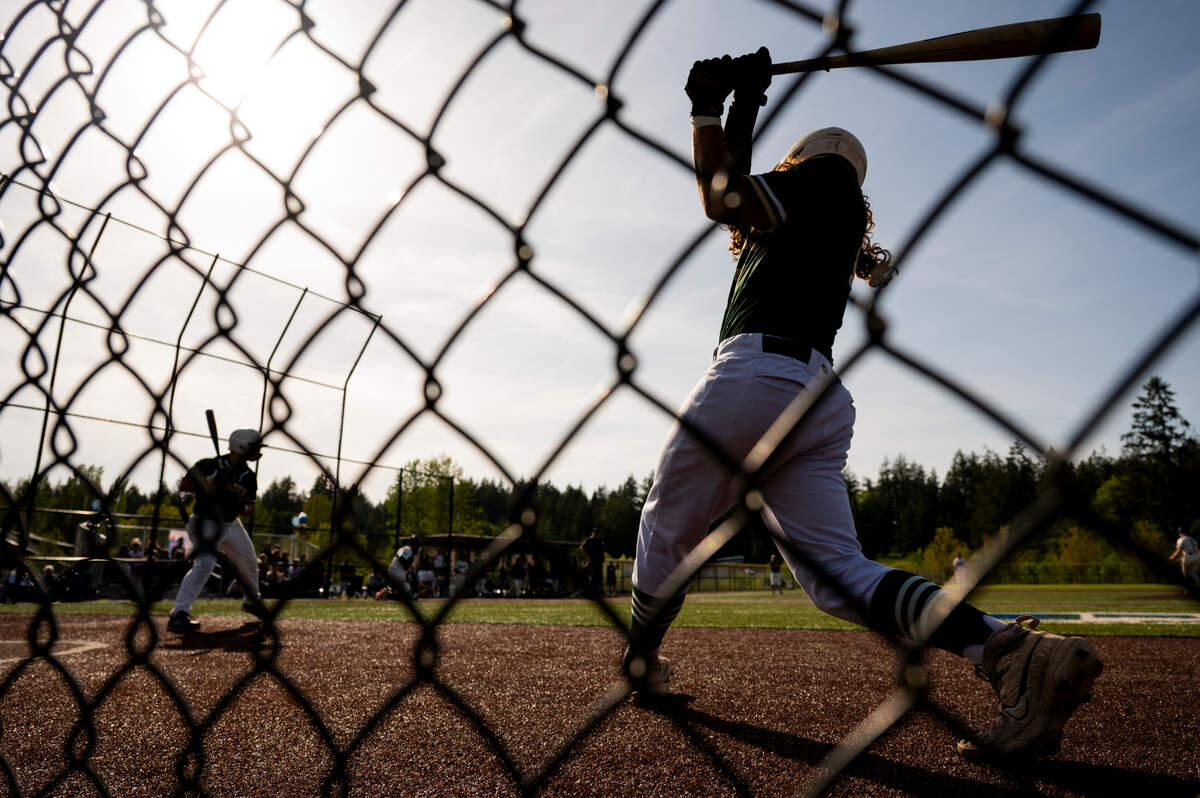
In high school (and in college), players use metal bats. In the pros, players are required to use wood bats.
Metal bats are lighter and have a larger “sweet spot,” making hitting a little easier. They also should last a full season or career, unlike wood bats, which can break if a ball catches it in the right spot. The sound — think more “ping” than “crack.”
Pros are required to use wood bats because of the speed in which the game is played, with pitchers throwing in the high 90s and low 100s. Combined with the strength and bat speed of professional players, hard-hit balls would travel at speeds well over 120 mph, potentially a safety issue for pitchers and infielders. Switching to metal bats would also cause a massive jump in home run numbers, which could either be a positive or negative, depending on who you ask.
In high school baseball, “small ball” is a frequently used tactic. At the pro level, it’s scarcely used.
Small ball is a strategy that prioritizes moving runners one base at a time, rather than swinging for the fences. Think bunts, sacrifice flies, stolen bases and hit-and-runs.
The biggest reason? The strategy puts pressure on the opposing defense. At the high school level, the skill level is lower and players are more likely to make mistakes. If offenses can put pressure on the other team, it can cause them to unravel.

VELOCITY DIFFERENCES
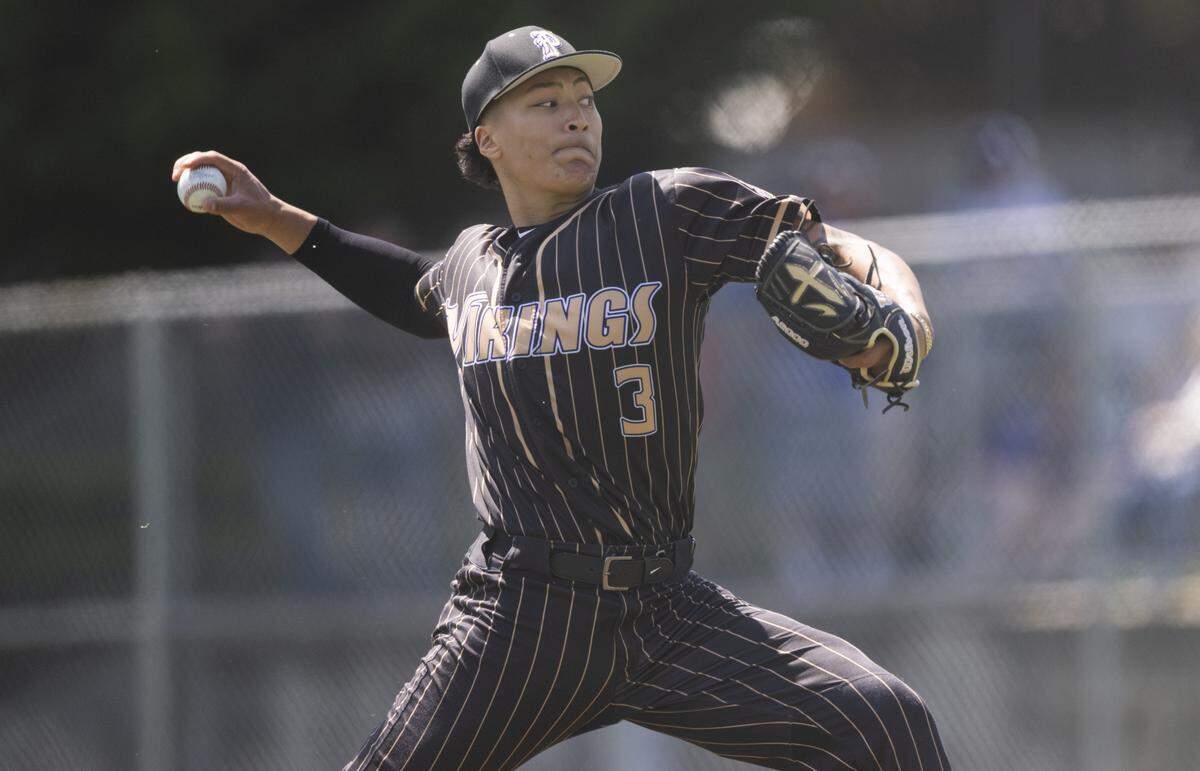
A good fastball for a high school player is mid-80s, a great fastball sits in the high 80s and an elite fastball creeps into the 90s. In the pros, 90+ is common and many pitchers in the modern game are consistently over 100 miles per hour.
Of course, control remains the biggest factor. A low 80s fastball consistently in the strike zone beats a wild, unpredictable 90 mph fastball, any day.
SCOUTING
Stats don’t always paint the full picture, at least from a scouting point of view. A high school player could be leading the league in batting average but won’t get any college looks because he’s too short, too skinny, overweight, doesn’t hit for power, etc.
When evaluating high school players, scouts are looking for “projectability,” i.e. the ability to visualize what a 17-year-old’s body and skillset will look like when they’re a 24-year-old man. A common scouting evaluation is looking for the “five tools,” which are: hitting for average, hitting for power, running speed, fielding ability and arm strength. A player who has all tools is considered a “five-tool player” and is often coveted by pro scouts and college coaches.
Scouts also look for hitters who have good pitch recognition, good hand-eye coordination, consistently make contact on time and still have room to add muscle to their frame. Every scout has a different method to evaluating players, but most are looking for the best athlete on the field, not necessarily the most polished high school player.
THE END OF THE ROAD
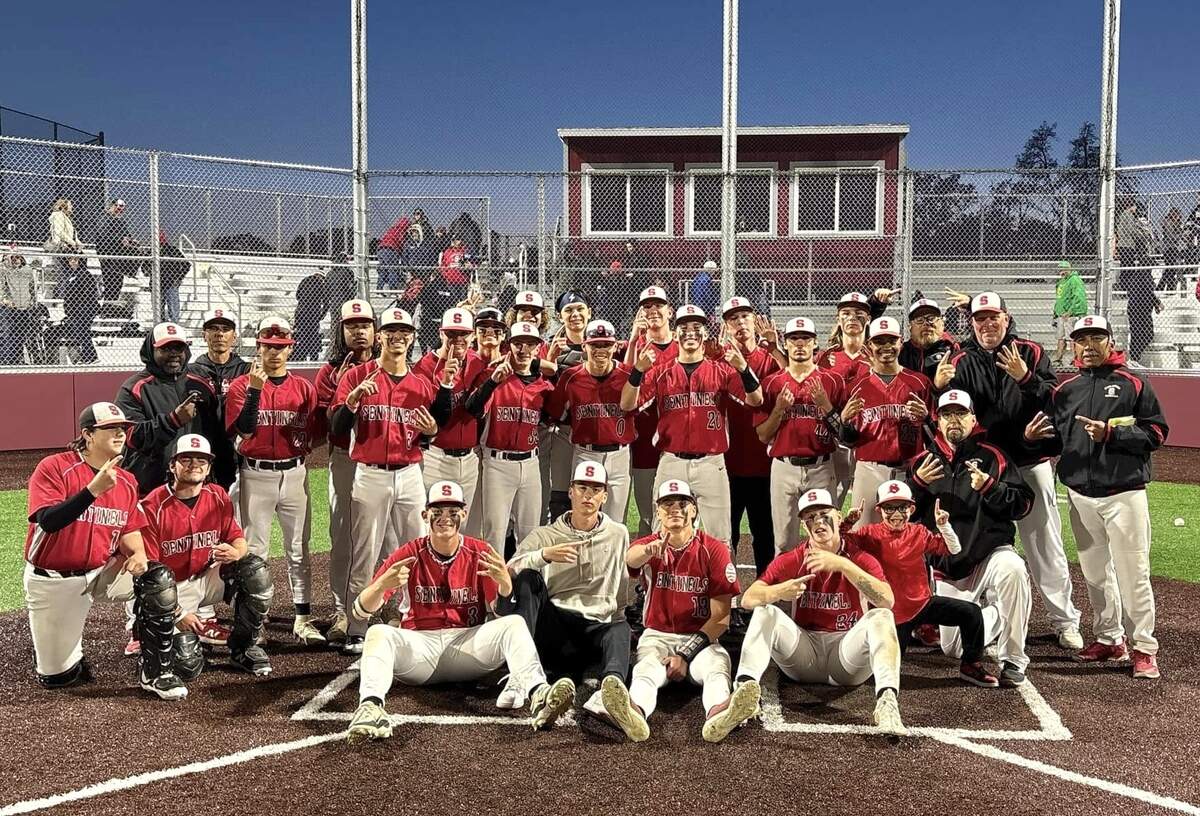
For most high school baseball players, their high school team is the last time they’ll ever play competitive, organized baseball. For the most part, they’re also playing with the friends they grew up with.
It gives high school baseball — and high school sports in general — an emotional weight that doesn’t always exist at the college and pro level.