Their up-upping trades beg the comparison: How the Seahawks and 49ers build defenses
The Seahawks made a trade for a top NFL defensive lineman.
A day later, the 49ers did the same thing.
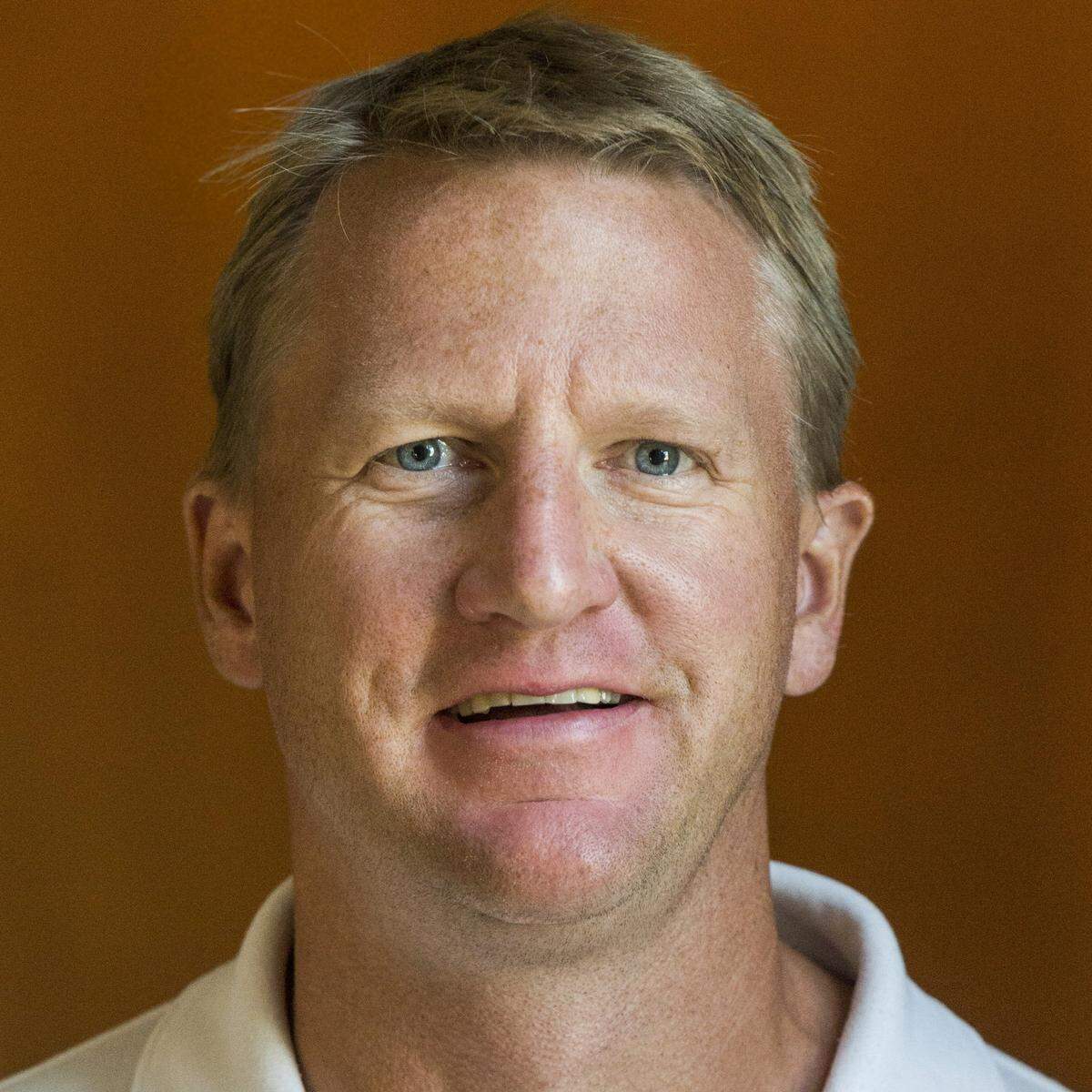
Seattle’s deal Monday with the New York Giants to get Leonard Williams, followed by San Francisco’s seemingly one-upping deal Tuesday with Washington to add Chase Young make for an obvious comparison. So do the facts that the Seahawks (5-2) lead the NFC West over the Niners (5-3), and that they play twice in a span of 16 days beginning Thanksgiving night.
The two trades also highlight how the Seahawks and 49ers build their defenses. It comes down to differences in where each team spends its finite resources in a salary-capped league and where each club is content to rely on longer-term, cheaper development.
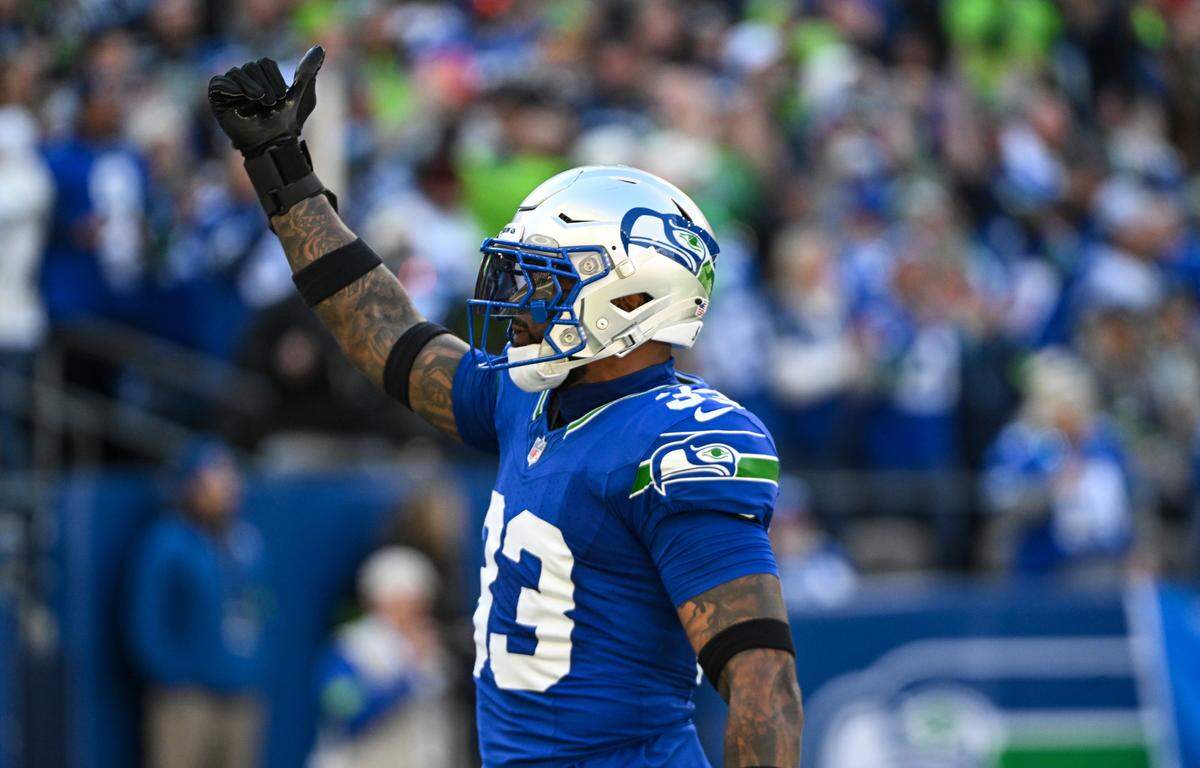
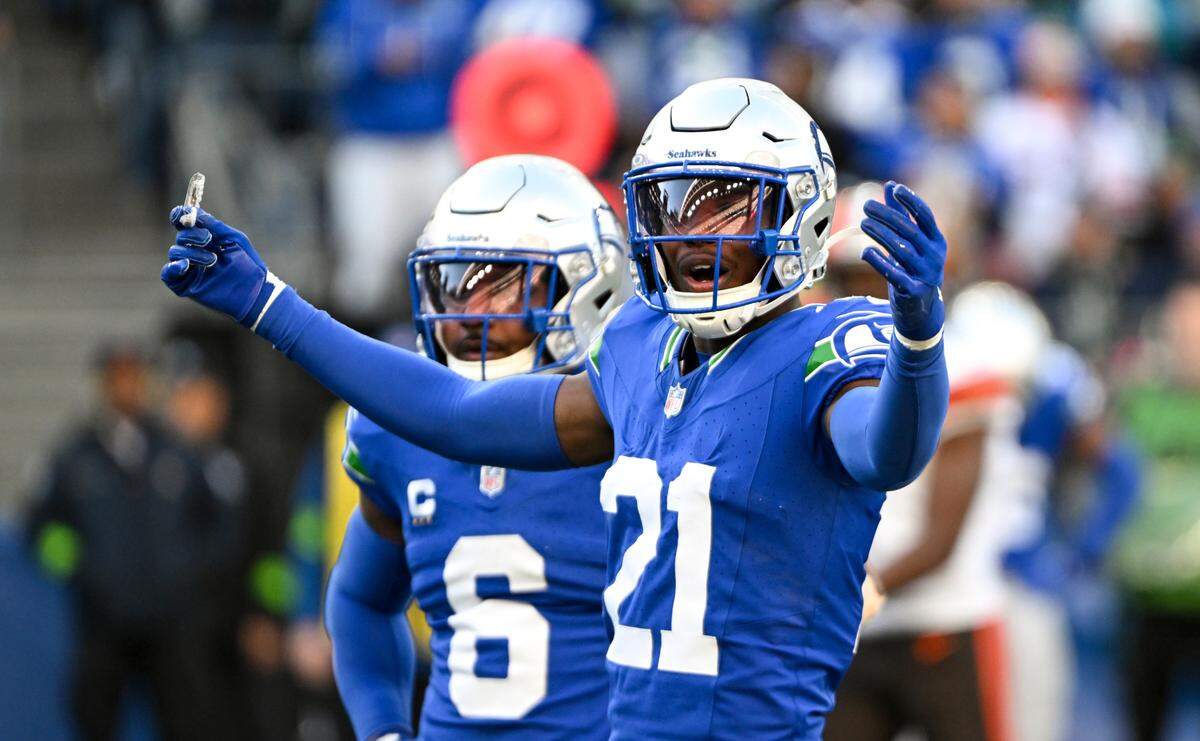
Coach Pete Carroll, a former college defensive back and secondary coach, has mostly built Seattle’s defense for the longer term from the back. That is, by drafting and developing defensive backs, specifically unique cornerbacks Riq Woolen and Devon Witherspoon. The Seahawks also are paying the most money at the safety position in the NFL: to Jamal Adams (a $70 million contract) and Quandre Diggs ($39 million).
Including ball-hawking third cornerback Tre Brown, the best players on this Seahawks’ defense are in the secondary. That’s why they play with five (“nickel”) and six (“dime”) defensive backs on more than 70% of their defensive snaps.
San Francisco coach Kyle Shanahan has built the 49ers’ defense from the front. Their development was in their front seven. The Niners have drafted defensive-front studs Nick Bosa, Arik Armstead, Fred Warner and Dre Greenlaw. The Niners re-signed them to contracts worth a total of $366 million. They spent another $81 million to sign tackle Javon Hargrave from the defending NFC-champion Eagles and now have added Young to their stacked defensive line.
Comparatively, San Francisco has spent $49 million on three starters in its secondary. The 49ers have cornerback Deommodore Lenoir and safety Talanoa Hufanga starting on their rookie contracts.
“It’s hard to develop pass rush. You kind of either have it or you don’t, it seems,” Carroll says. “You have to have the guys.”
The 49ers have spent to have the guys in their pass rush.
The Seahawks? Not as much.
Because they spent so lavishly on Adams and Diggs, and on interior defensive lineman Dre’mont Jones ($51 million this offseason) to better stop the run, the Seahawks don’t have the cap space to spend as much on their edge rushers. So Seattle has draft picks Darrell Taylor and Boye Mafe as primary edge rushers (Uchenna Nwosu, their 2022 sack leader and free-agent signing from the Chargers, is out for the year with a torn pectoral muscle). The Seahawks signed back Frank Clark on a veteran-minimum deal for the rest of this season.
On the interior, trading for Williams will only cost them $647,000, a proration of the league minimum, for the rest of this year. The Seahawks hope to re-sign Williams when his contract ends after this season. His value is in stopping the run and rushing the passer. He’ll be 30 next year.
Young is 24. He’s likely to be more expensive to re-sign for San Francisco than Williams will be for Seattle.
Overall, the Seahawks’ pass rush is more of a developing, wait-and-see project. So it’s cheaper than the 49ers’ elite, established one.
“Up front, you have to have those guys that got a knack,” Carroll said. “We’re really fortunate to have Mafe and DT (Taylor) and the guys that have the speed on the edge. Darrell on the come and have Frankie back. Those guys, they all have a chance to develop as they’re growing. Frankie is kind of there.
“If you don’t have that natural ability to get on the edge and turn the corner and do those things you have to look other ways. You have to do pressure and do other things to create pressure.”
That means blitzing from the best part of Seattle’s defense, the secondary —which is may be San Francisco’s weakest position group.
Specifically, the Seahawks often blitz Witherspoon and Adams.
Pete Carroll develops cornerbacks
Carroll has unique, specific techniques he wants his cornerbacks to play. The step-kick technique, turning and running with receivers off the ball while staying over the top of them to not get beat deep, takes time for cornerbacks to learn with the Seahawks. It’s why free-agent corners set in their ways from other systems have failed for Seattle.
Carroll and Schneider still regret giving Cary Williams from Philadelphia $18 million eight years ago. He played just 10 games in his first, 2015 season before Seattle cut him. Remember Quinton Dunbar? He failed immediately at cornerback in Carroll’s system after the Seahawks traded with Washington for him in 2020.
Carroll would rather teach NFL players the cornerback position from scratch — Richard Sherman, Byron Maxwell, Shaquill Griffin, Woolen, Witherspoon. So he drafts them, or signs them off waivers, like D.J. Reed from the 49ers a few years ago.
“We can take all corners on the back end and figure it out,” is how Carroll put it this week.
That makes the Seahawks’ defensive backs a bigger development area than on most teams.
“I think so. I do think that,” Carroll said. “We have a lot of stuff that we’ve done over the years, a lot of knack to highlight the guys’ strengths and try to feature those guys where they’re best played. Just look at the marvelous example of Earl (Thomas) and Kam (Chancellor). They couldn’t have been more drastically different athletically in style of play, but they both had huge roles in the way we played them.
“I like to think that’s what we’re looking to create, whatever the guys bring us.”
What matters more, DBs or pass rush?
So what’s more important to success in today’s pass-happy NFL: a pass rush or a strong secondary that can cover?
Carroll and most coaches in the league say it’s both. A consistent pass rush means the quarterback doesn’t have the time for receivers to run longer-developing routes, so the defensive backs don’t have to cover as long on plays. A strong cover secondary means quarterbacks have to hold onto the ball longer because no one’s open, allowing pass rushers to get home.
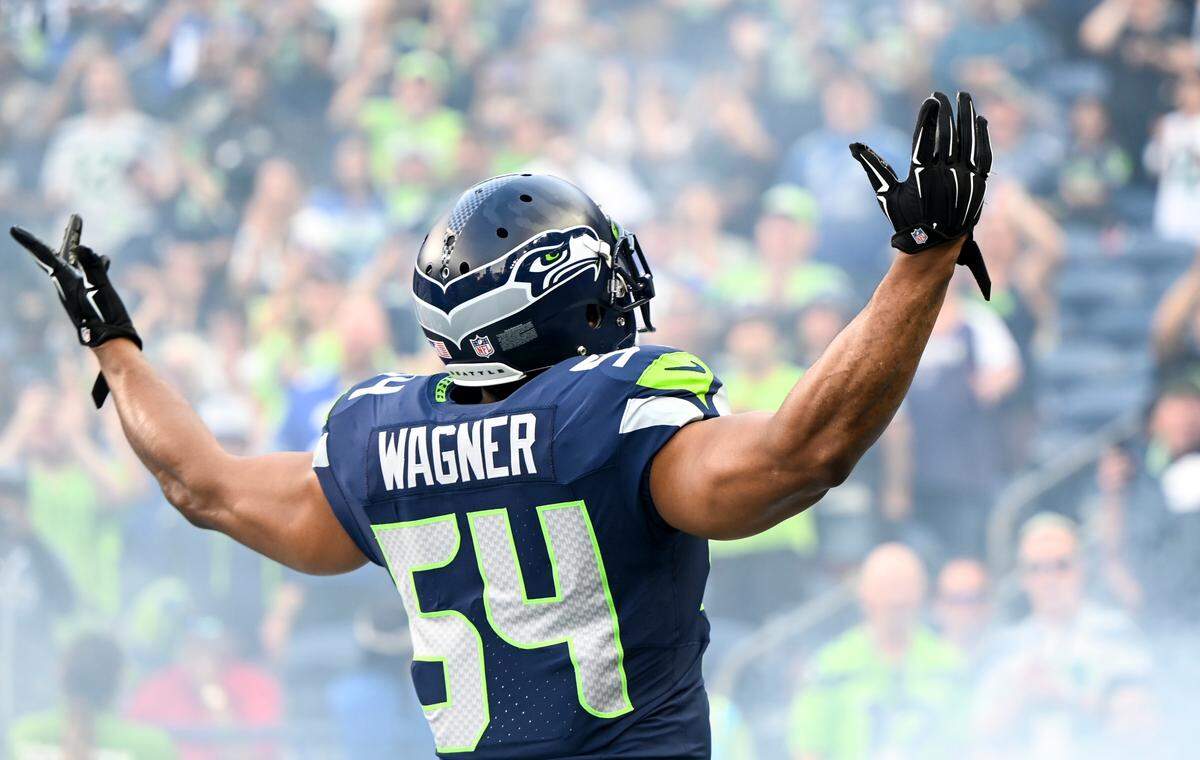
What about the players who aren’t defensive linemen or backs? Who helps make Seahawks six-time All-Pro middle linebacker Bobby Wagner’s job easier?
“If we’re talking run game it’s definitely the D-line, the D-line helps a lot more,” Wagner said. “If it’s talking the pass game, I think being able to bounce off with the safeties and trusting the guys that you’re passing things off with kind of helps.
“But again, you can also flip it, when you have safeties not scared to come into the block and make tackles, trust him through the fits, it helps you. But then when you got guys getting after the quarterback and making the quarterback throw the ball quick, you don’t have to cover as long.
“I’ve always felt like the game starts up front. If I had to pick one, I definitely feel like it’s up front, for sure.”
And that’s where the 49ers have had the advantage over Seattle the last couple years. It’s largely why San Francisco is the defending division champion and beat the Seahawks three times last season, including the playoffs.
How much have the Seahawks closed that gap between them and the Niners on the defensive front? Their two games in 16 days including on Thanksgiving at Lumen Field will reveal that — and probably will determine who wins the NFC West this season.