
The perils of bulb planting, winter weeds and lawn-smothering leaves in the garden
There is still time this fall to plant bulbs, rake leaves, uproot any weeds and store away the patio furniture, garden tools and winter tender plants.
Here are some recent questions of the season.
Q. I have tried planting spring flowering bulbs. First the deer ate my tulip buds (right before they bloomed!) then the voles must have eaten my crocus bulbs as I planted 150 of them and only three came up. So next I tried planting daffodils as you said deer and voles don’t eat them but guess what? The squirrels are digging them up. Please help. Sign me “Ready to give up.”
A. Dear Ready, my first thought is to have you just wait until spring and then purchase sprouted daffodils ready to bloom at a local nursery. Pop the bulbs out of their plastic pots and transplant them into your own planters or into the ground.
But if you want to save the daffodils you have already planted, try red pepper. Either red cayenne pepper or chili seasoning powder work to deter squirrels in many situations. Squirrels are attracted to the soft soil left after planting bulbs. Keep the top of the soil frosted with pepper and you will teach them that your garden soil is too hot to handle. Pepper works for most cats, some dogs but unfortunately raccoons are not fazed at all.
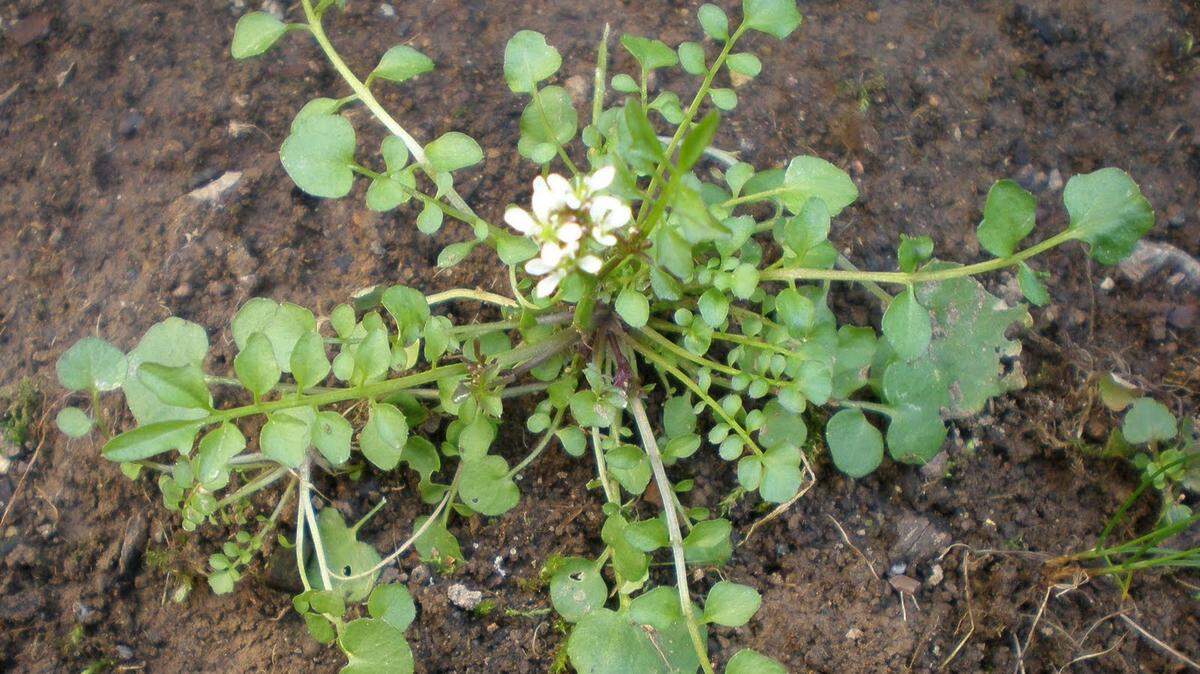
Q. Winter weeds? I pulled all the shot weeds from my spring garden as you advised. Had no shot weed this summer. Suddenly I see shot weed colonies sprouting up under shrubs and in the cracks of the driveway. Why?
A. The weather cooled, the wind blew, the rain fell and new seeds sprouted. This is a good time to hoe, pull or smother any weeds, including the notorious shot weed, before it goes to seed and shoots its spawn all over the garden. A hard frost will get rid of most annual weeds like shot weed but you really want to nip this problem in the bud so that bud does not flower and cast seeds that will sprout in spring.
Tip: Before you bring any new plant into your garden, check under its foliage and any drainage holes on the pot for tiny shot weed or other hitchhikers. Even the cleanest nursery can have hidden weedlings lurking amidst the plants.
Q. Which leaves can I leave on my lawn? We have large cedar trees and I notice the oldest branches are turning brown and dripping brown stems and leaf sections onto the grass. Will cedar stems and branches destroy my lawn if I leave them over winter? — P.P., Olympia
A. Your lawn will not be destroyed by dripping cedar left over the winter, unlike large maple leaves that can block out sunlight and smother a lawn. You do need to rake the cedar twigs and debris in the spring however. Cedar breaks down very slowly and the brittle stems of cedar become imbedded in the soil, repel water and are the cause of a lawn that grows thinner and sparser each year. Think of spring lawn raking as a tonic to get your body back into the rhythm of yard work.
Marianne Binetti has a degree in horticulture from Washington State University and is the author of several books. Reach her at binettigarden.com.
This story was originally published November 11, 2023 at 5:00 AM with the headline "The perils of bulb planting, winter weeds and lawn-smothering leaves in the garden."