
You might have the urge to plant seeds and fill containers with flowers — but wait a bit
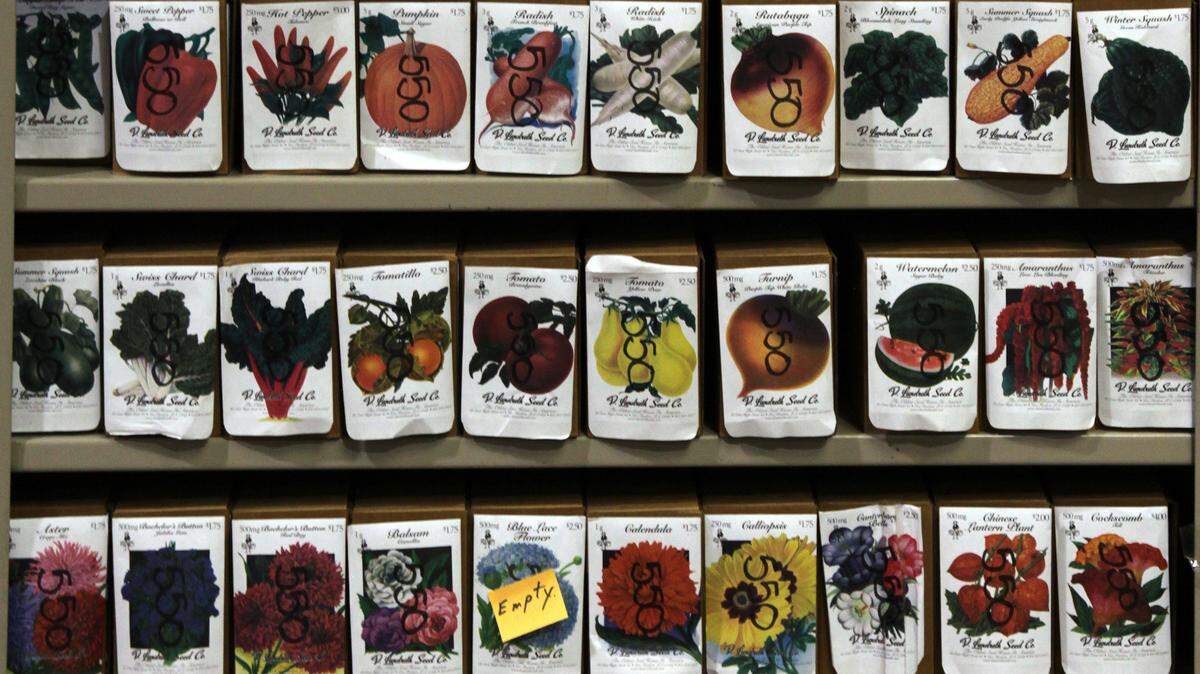
The end of February is a curious time for Puget Sound gardeners. Mild days can encourage early flowering and bulbs bursting from the ground into the sunshine. This is when the urge to plant seeds and fill containers with flowers becomes irresistible.
But wait a bit.
Feel your soil to make sure it is not waterlogged before poking seeds into the ground. Protect newly planted pots from frost, and harden up newly purchased plants by letting them spend a few cold nights on a protected porch or patio.
When spring fever hits, you can cool it down by fertilizing and mowing the lawn, pulling the winter weeds and pruning back the dead top growth of perennials and the broken branches of trees and shrubs.
Q. When can I plant vegetable seeds in my garden? I live in the Olympia area and am new to the area. — T.Y., Email
A. Welcome to the cool summers and rainy springs of the Puget Sound area. Early spring, between the beginning of March and the middle of April, is a good time to plant seeds of cool season crops such as peas, radishes, lettuce, cabbage, onion and kale. Do not plant warm season crops such as peppers, tomatoes, squash and cucumbers as these heat-loving veggies will rot before they sprout.
The type of soil you have and how well it drains as well as sun exposure all play into the best time to plant seeds directly into the ground. The best advice from expert gardener Ed Hume (still growing at over 90 years old) is to read and follow the instructions on the back of the seed package.
Q. What does it mean when a seed package says “plant when the soil is dry enough to work.” Why can’t they just give a date for when to plant seeds? — B., Email
A. Gardening is an art, not a science, so exact dates for when to plant can change from year to year depending on rain and sun. The soil is dry enough to plant when you can grab a handful and the soil falls apart slightly rather than stays in the form of a wet clump when slightly squeezed.
Gardening in raised beds or on a slope means the soil can be worked sooner than if the area is downhill or if the soil contains a lot of moisture-retentive clay. To get a jump start on the season, you can start seeds indoors using a seed-starting soil that drains well but holds moisture for the young seedlings. Once spouted, you can transplant cool season crops outdoors.
Q. I am so mad at the neighborhood cats and squirrels that dig up my newly planted seeds every spring. Any tips for discouraging these critters without upsetting my nice neighbors that own two cats? — P.K., Tacoma
A. Don’t give up, cover your crops. Garden centers and farm supply stores sell agricultural fleece (one trade name is Remay) and this is spun polyester that can be used year after year to lay on top of your freshly planted beds. Be sure to seal down the edges with rocks or poles laid on top of the edges.
To train cats and other curious critters to stay away, have a pruning session on your roses or cut some prickly barberry branches and position these thorny branches on top of and around the crop cover to make a painful point. Some gardeners have good luck sprinkling red pepper flakes or Mexican seasoning on top of the soil after planting.
As the seedlings grow, you will want to loosen the covering or tent it a bit with twigs to make allowances for the height of the plants.
Tip: Using row covers of Remay on cole crops such as broccoli and cabbage will keep the white cabbage moth from laying eggs in the spring so you’ll have a harvest free of green worms.
Marianne Binetti has a degree in horticulture from Washington State University and is the author of several books. Reach her at binettigarden.com.
This story was originally published February 22, 2025 at 5:00 AM with the headline "You might have the urge to plant seeds and fill containers with flowers — but wait a bit."