
Container gardening is an art, not a science, so don’t be afraid to get creative
The first week of May is full of color, so enjoy the beauty then get to work. Time to weed, feed and add new plants.
May is also the main month for rhododendrons and azaleas to put on a show, so note the colors and varieties that do well in your area so you can purchase them at local nurseries.
This is a great week to design and plant your patio and porch pots as most annuals can go outdoors now. Some very tender annuals such as coleus and basil will still need to be protected on cold nights.
If you missed experiencing Container Wars at the Northwest Flower & Garden show, here are some of the best words of wisdom about container gardening from winning designers over the years.
Combining plants
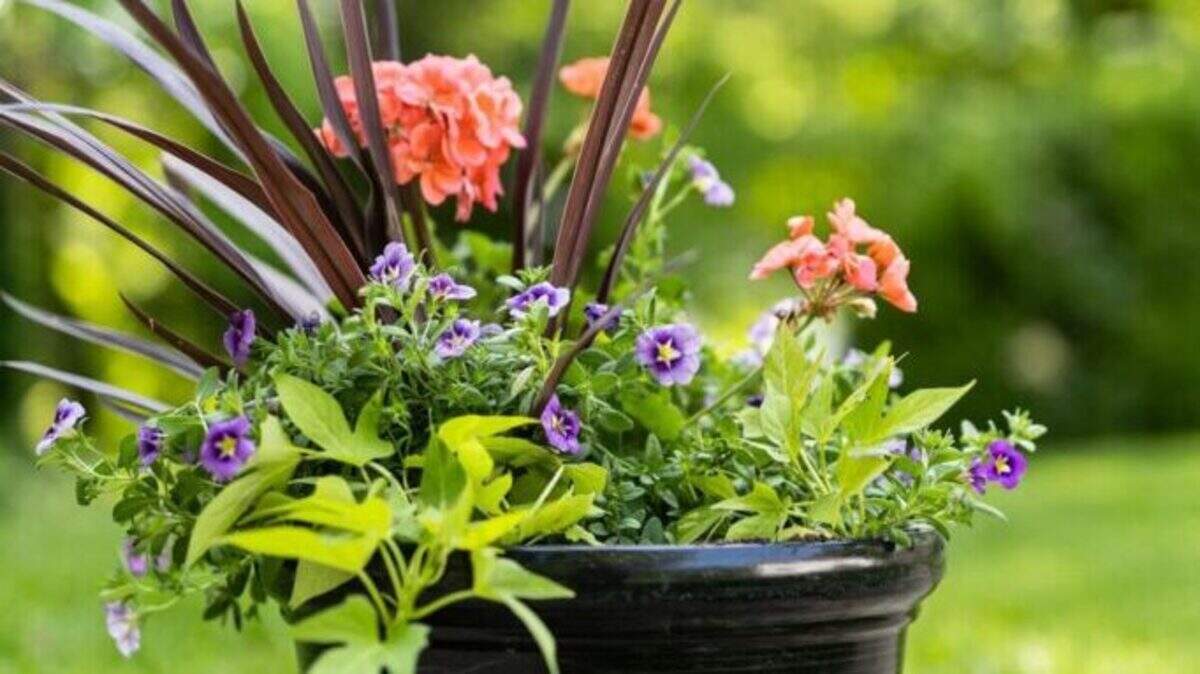
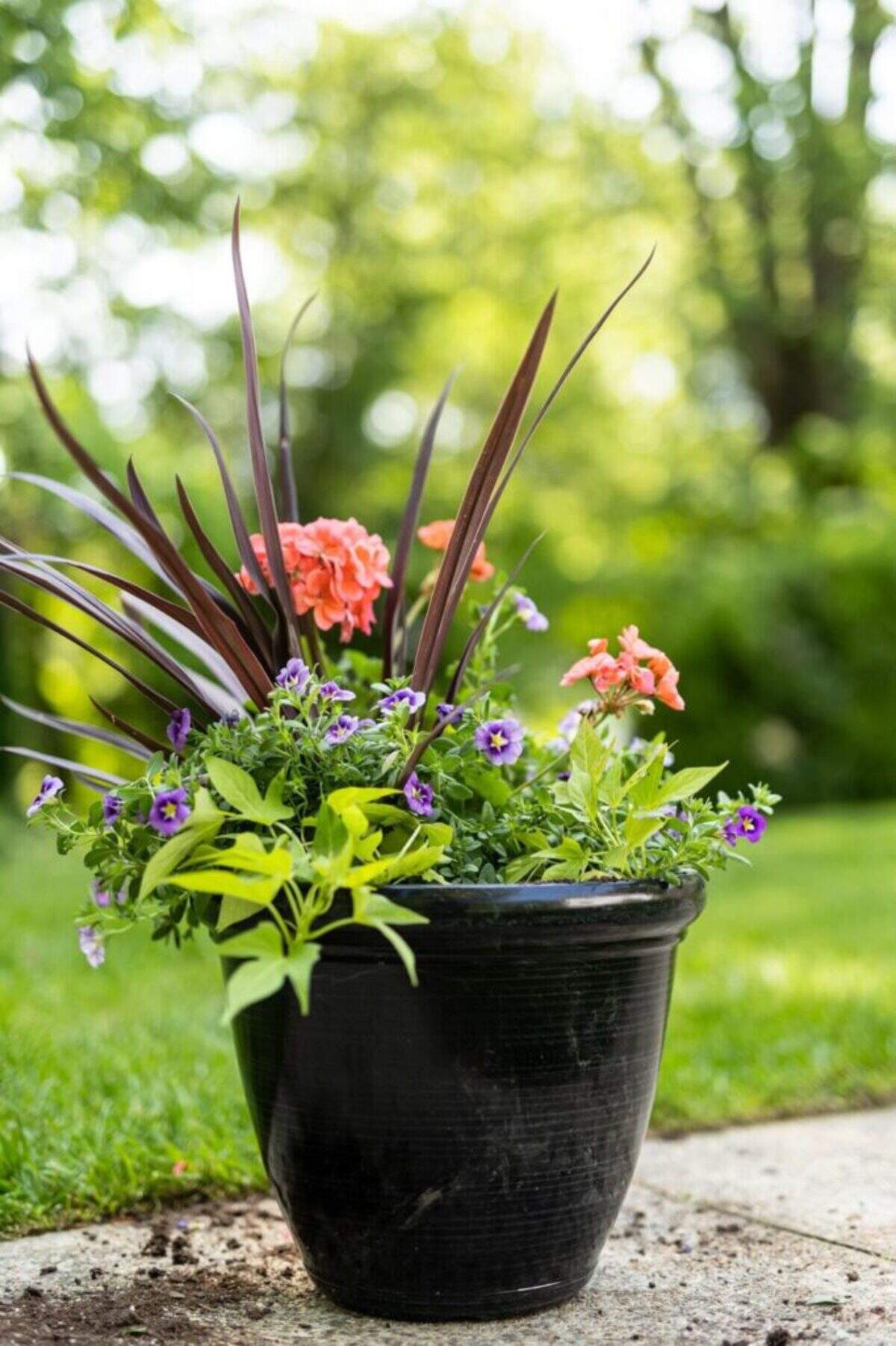
You can use the tallest plant or “thriller” in the middle of a pot or you can arrange to have the tallest plant in the back when a container is displayed up against a wall. Just consider how the arrangement will be viewed before you arrange the plant material.
Mix in small shrubs, perennials and annuals when filling large containers. No design is permanent, so you can uproot a small shrub or cut out an overgrown perennial if you need to as plants grow.
The best tip for choosing color is to place the biggest plant in your nursery cart. Now look closely at the stems, leaves and flowers. Echo those same colors in your choice of plants that join the focal plant in the container. Or go for contrast and pick foliage and flowers that make your main plant pop.
Choosing pots
Plants that prefer warm soil on the dry side prefer clay or terra cotta pots. This means geraniums, basil, succulents, sedums and drought-resistant plants with gray foliage.
Plants that like cool soil such as woodland and shade plants do best in ceramic pots, foam pots, plastic pots or moss baskets. Examples are fuchsias, hosta, begonias, ferns and lobelia.
When to water containers
There is no rule. You must poke a finger into the soil to see if it is dry down past your first knuckle. Some plants will forgive you for forgetting to water (the begonia boliviensis, sedums and geraniums) but some plants will stop blooming for weeks if you let them dry out even for a day (bacopa, fuchsias and lobelia). Be observant of how each plant responds.
You can mix a “dry plant” with a “thirsty plant” in a pot if you remember to water the roots of the thirsty plant more often. Having a moist zone and a dry zone in a large container is possible if you pay attention to how you water.
When to feed
Professionals will mix a slow-release plant food into the potting soil or use a potting soil that includes fertilizer. The plants will use this slowly the month of May as they start to grow. Then in mid summer you will need to fertilize every few weeks as plants have a growth surge and become ravenous for more food.
Winning designs
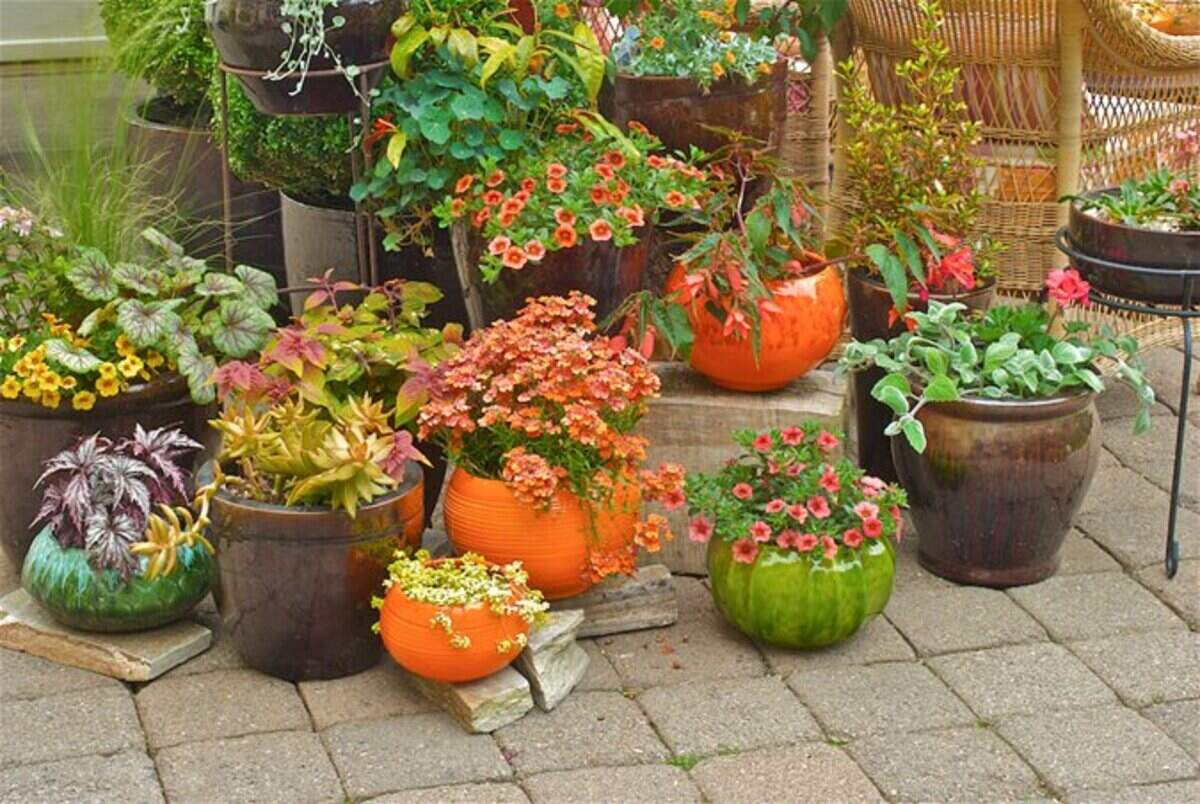
Be creative (add some branches), break rules (plant some lettuce with your flowers), and experiment with lots of plants and you’ll learn that the art of designing containers is a joy no matter how small or big your garden.
Marianne Binetti has a degree in horticulture from Washington State University and is the author of several books. Reach her at binettigarden.com.
This story was originally published May 3, 2025 at 5:00 AM with the headline "Container gardening is an art, not a science, so don’t be afraid to get creative."