
Gardening tips for beating weeds and choosing the best summer perennials for Western Washington
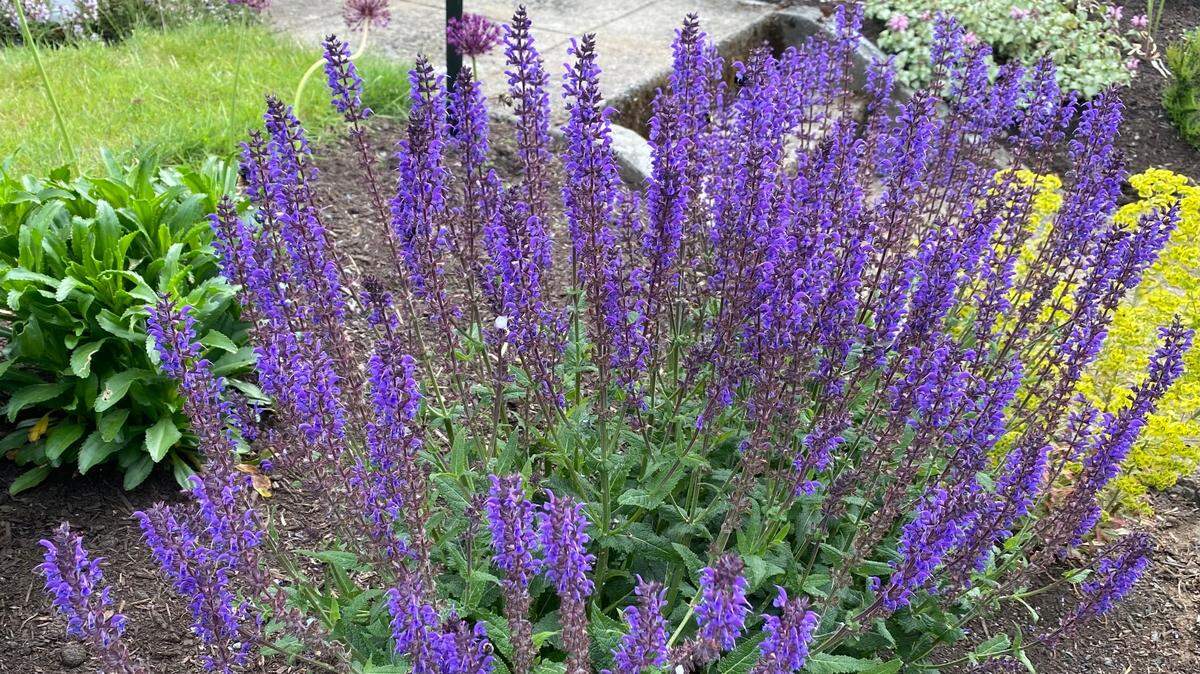
The third week of July is time for weed wars and victory marches for the best perennials.
I was at Bellevue Botanical Gardens on Friday to celebrate the best summer perennials and do a “walk and talk,” and then at The Shark Garden in Burien to share a battle plan for “Weed Wars” in the summer garden.
Here are the best tips for both topics:
Best perennials for a summer garden
Give me sunshine and I’ll give you hollyhocks, lavender, lilies, phlox and foxgloves for summer color as well as the lower-growing coreopsis with daisy-like blooms on a water-wise plant.
Cone flowers and Sedum “autumn joy” make a big splash later in the summer and are two more perennials that are known for their lack of drinking problems.
To garden with color on the dark side — which would be under trees or the north side of buildings — plant hosta, astilbe, cranesbill geranium, lamiums, brunnera and saxifrage.
Tip: Don’t be afraid to divide up hosta any time of year. An established hosta plant can be a source of many new plants simply by cutting into the clump (use an ax or power saw if needed) then removing a wedge as you would when serving a big piece of layered cake. If the hosta leaves wilt and die after the transplant, don’t worry. The plant is only adjusting to the move and will send up new foliage soon.
Tip: The secret to great perennials without the mid summer pout when the heat arrives is to improve the soil with organic matter before adding the plants to their new home. If your plants are already in place, you can top dress them with a few inches of compost but make sure the soil is well watered so that the top 12 inches is damp. A mulch or top dressing is like a frosting that sits on top of the soil, but a mulch that seals in moisture can also block rainfall so water first, then mulch second.
Weed wars
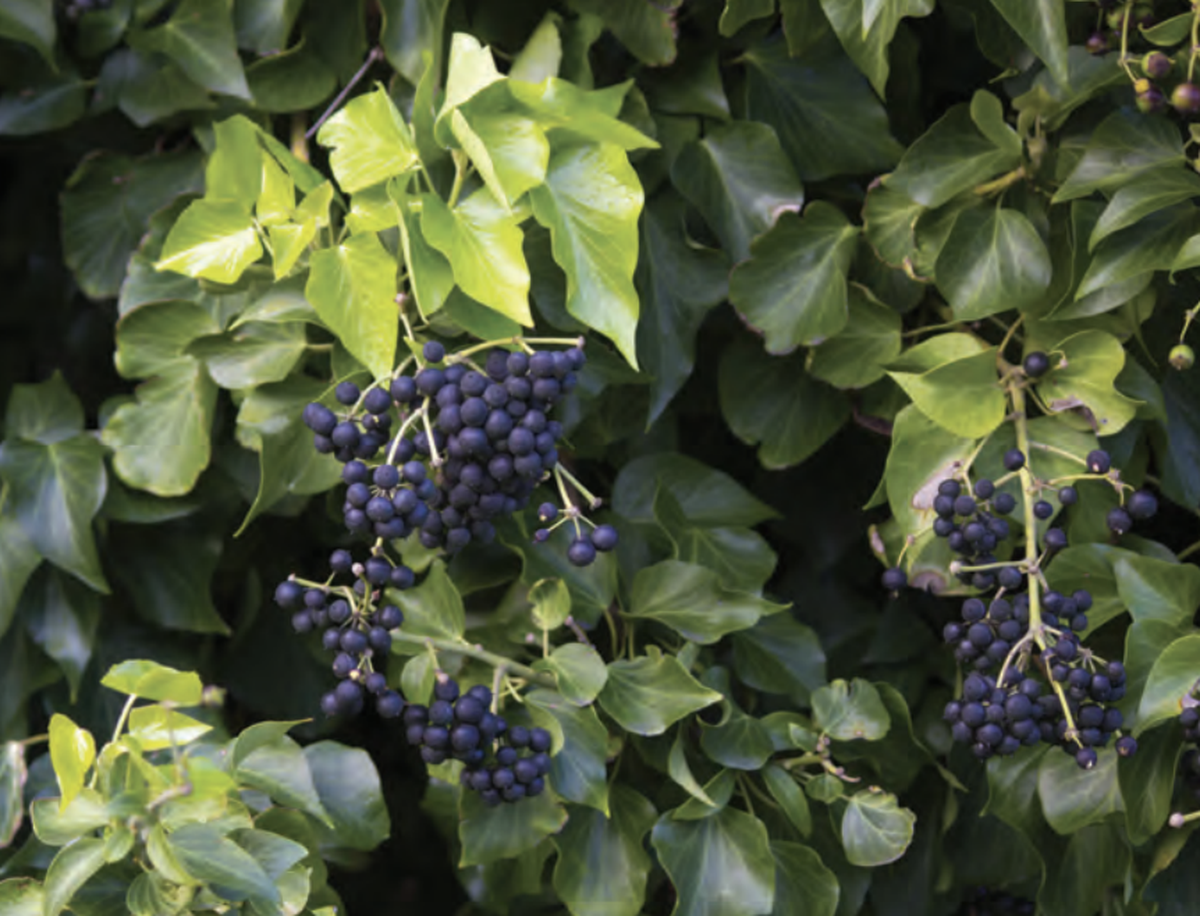
The worst weeds of summer are often the perennial weeds that do not die in the winter and come back stronger each summer. This includes horsetail, morning glory or bind weed and all the various forms of blackberry and ivy. The best way to deal with these weeds is to cut them off at ground level. Then, cover with newspaper, cardboard and a thick mulch 2-3 inches deep. Weeds with extensive roots systems (horsetails, bind weed) can be spread about by constant digging and pulling, so cutting first, then blocking all sunlight, can help to starve out the roots.
If smothering the roots is impractical due to other plants nearby, try cutting the invasive weed at ground level, waiting for it to pop up again, then cutting again and again. If you deny the plant any foliage by constant cutting, you will eventually starve out the roots. A pair of scissors may work best for morning glory, but a string trimmer could be an easier option for constantly cutting back horsetail and blackberry vines.
Some weeds such as thistle or young, weedy tree seedlings can be killed by cutting on the morning of a hot and sunny day. A freshly cut stem will ooze moisture, and a hot day can finish off the weed you just beheaded as it bleeds to death.
Finally, the news you may not want to hear: Hand pulling weeds is often the most effective way to remove weeds, especially if they are fighting for real estate with your more desirable plants. When you pull a weed up by its roots, you create air pockets in the soil so that rain and sprinkler water can penetrate more easily to plant roots.
Tip: Motivate yourself with a new weeding tool. A long-handled hoe or winged weeder to clean out paths between veggies, a screw driver or hori hori tool to dig out the tap root of dandelions, or a new spade that slices through the soil to uproot any weeds that dare to invade your paradise.
Meet Marianne
At 11 a.m. Saturday, July 27, Marianne Binetti will appear at the Highline Botanical Garden Ice Cream Social and lead a garden seminar. Admission is free. For more information, go to www.binettigarden.com
Marianne Binetti has a degree in horticulture from Washington State University and is the author of several books. Reach her at binettigarden.com.
This story was originally published July 19, 2025 at 5:00 AM with the headline "Gardening tips for beating weeds and choosing the best summer perennials for Western Washington."