See how much rents have increased year over year in Tacoma area by ZIP code
Median rents were up across the board in most ZIP codes in Pierce County in the past year, with some seeing dramatic increases.
A review of data from rent analytics tracker RentHub shows that percentage change in median rent price across the ZIP codes reported had increased an average of 22.1 percent in Pierce County between February 2021 and February 2022, with the average median rent around $2,400.
Meanwhile, developers continue to apply for tax exemptions to help meet demand, and in some cases are still qualifying under previous rules in Tacoma.
The percentage change reflected in area ZIP codes was literally and figuratively all over the map. While direct comparisons are hard to make based on supply of units based on each area, the data reflect a universal theme of double-digit percentage increases area-wide.
ZIP code 98467 in University Place showed a percentage increase of 100 percent year over year, with median rent at $2,870.
The ZIP code 98390 in the Sumner area saw year-over-year median rent increase of more than 70 percent, with median rent at $2,593.
The ZIP code 98498 in Lakewood saw its year-over-year median rent rise 34.4 percent, with median rent at $2,188.
Some areas side-by-side on the map showed dramatic variations.
Tacoma’s 98406 ZIP code saw median rent decline just over 18 percent, to $2,495 in the year time frame, but in the neighboring Tacoma ZIP code of 98465, median rent rose more than 65 percent to $2,329.
The ZIP code 98402, encompassing downtown and the Museum District, showed median rent at $1,783, up nearly 14 percent.
In the Parkland area, ZIP code 98444 saw median rent at $1,712, with a percent change of more than 15 percent in a year. Neighboring 98445 saw median rents at $2,432, but an increase of only 6.43 percent.
The Puyallup/Edgewood area of 98372 saw median rents at $2,437, an increase of 43.35 percent year over year. Neighboring ZIP code 98374 in the South Hill area saw median rents at $2,595, up just over 11 percent in the same time frame.
Across the bridge in the Gig Harbor/Artondale area of ZIP code 98335, median rent was at $1,895, up 4.99 percent from February 2021.
Apartment List, another national rent tracking firm, said that in March median rents in Tacoma overall were at $1,224 for a 1-bedroom apartment and $1,606 for a two-bedroom.
Nationwide, Zumper, another rent tracking service, said Thursday that the national median one-bedroom rent rate hit an all-time high of $1,400 in March, representing a 2.5 percent rise for the year so far, ahead of the 1.9 percent growth last year.
WHAT’S AFFORDABLE?
Two more multifamily property tax exemptions were approved at Tuesday’s Tacoma City Council meeting, still under the previous MFTE rules before last year’s changes, most of which go into effect March 14.
Both applied for the 12-year version, which under the old rules allow for a percentage of units to be rent-restricted or “affordable” at 80 percent area median income, based on federal Department of Housing and Urban Development data.
The MFTE changes approved by the council last year, in effect for projects submitted March 14 and onward, now apply 70 percent of the median family income adjusted for family size for Pierce County as reported by HUD for affordable housing units. That percentage is set to be revisited yearly.
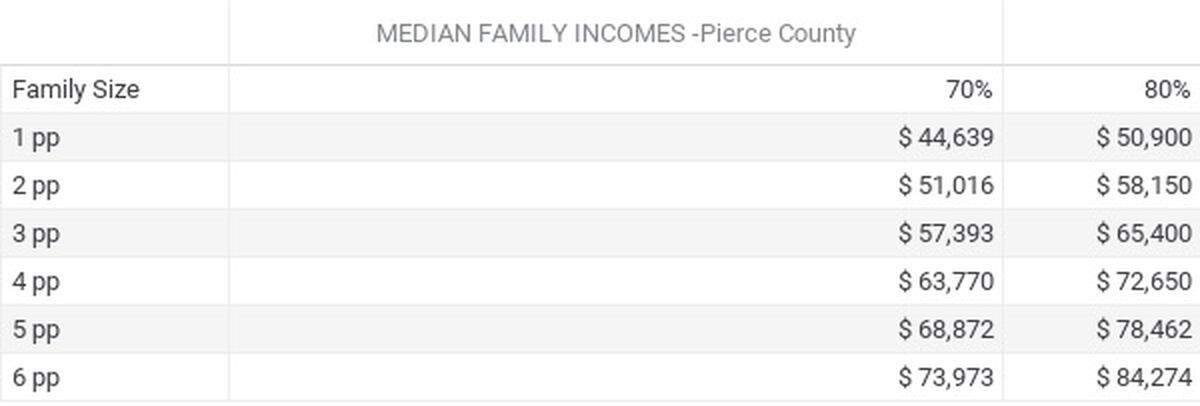
It’s a distinction that makes a monetary difference in terms of qualifying incomes and allowable rent rates depending on the percentage used, but as in January, projects that came in ahead of the March 14 deadline are still qualifying under the higher percentage.
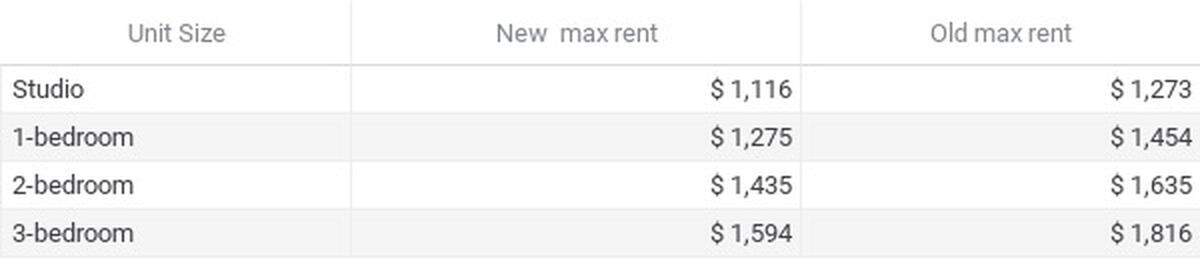
The projects approved Tuesday, one for the Downtown Regional Growth Center and the other in the Tacoma Mall Mixed-Use Center, will bring a combined 12 rent-restricted units out of a total of 56 units, with rents for the one-bedroom units at $1,454 (including utilities), and the two-bedroom units at $1,635 (including utilities).
For projects that come in March 14 onward, one- and two-bedroom restricted rents under the new MFTE rules would be $1,275 and $1,435, respectively.
During Tuesday’s council meeting and virtual forum, the “what’s affordable” question was raised by members of the public a few times in response to the projects.
“We all know ... that it doesn’t start becoming affordable until it’s below 60 percent of AMI,” said one caller to the hybrid virtual/in-person meeting.
Council member John Hines, who led last year’s push for MFTE changes, noted he understood the frustration at going with even 70 percent AMI, but that the price of building materials, particularly now with inflation, made it cost prohibitive to lower the percentage more.
“When we start talking about really truly affordable housing ... that’s almost going to have to be provided by either a nonprofit or it’s going to be permitted for permanently supportive housing where someone, most often the government will be paying down the cost of rent. So it’s pairing vouchers, with charity, lots of things to get that number down,” he said.
“So if your definition of affordable is what someone can afford on say an SSI disability payment, new construction is never going to be able to meet that cost,” he added. “That’s why it’s incumbent upon us to try to preserve currently affordable housing or to make sure we get dollars to nonprofits to provide that kind of housing like we’re doing with the Affordable Housing Trust Fund and the one-tenth of 1 percent sales tax this council passed back in 2021.”
“We know that 80 percent of AMI is not affordable, but that is a state definition,” Mayor Victoria Woodards also noted at Tuesday’s meeting.
This story was originally published March 25, 2022 at 5:00 AM.