Pierce County deputy immune from lawsuit for fatally shooting man in crisis, judge rules
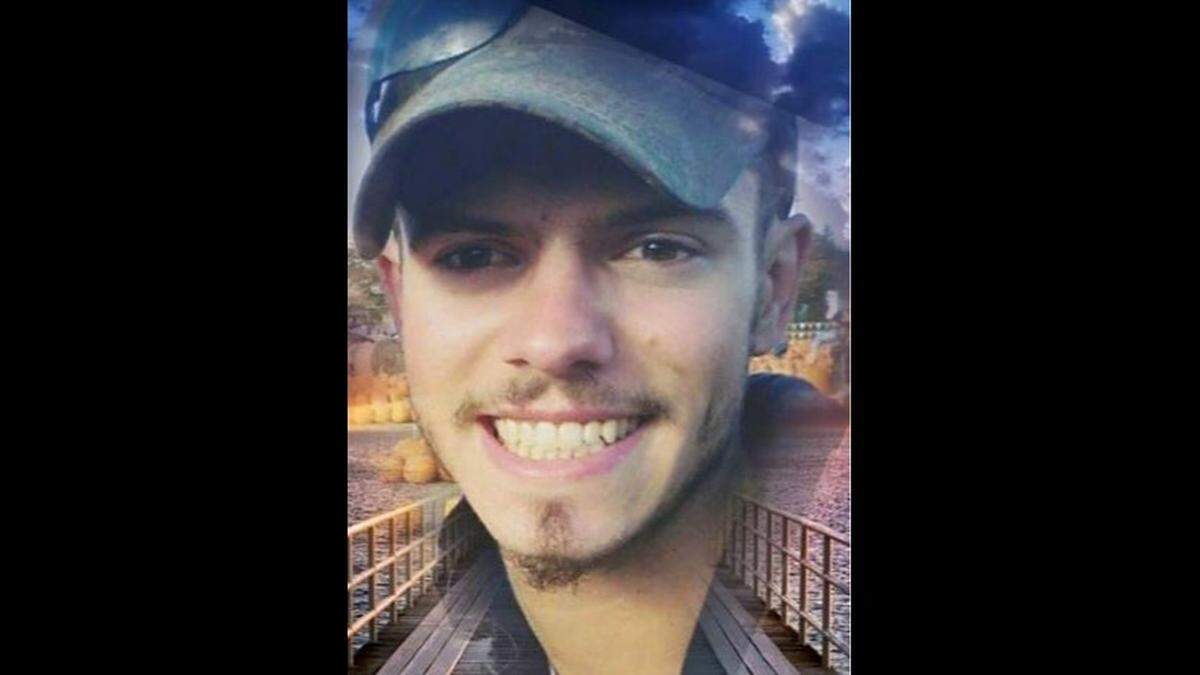
A federal judge in Tacoma has dismissed a civil rights lawsuit against Pierce County that alleged a sheriff’s deputy used excessive force when he fatally shot a man suffering from a mental health crisis in 2018.
U.S. District Court Judge Benjamin Settle ruled on Feb. 7 that deputy Colby Edwards is shielded from the lawsuit under so-called qualified immunity and his decision to shoot 28-year-old William “Billy” Langfitt IV several times after Langfitt dove into the driver’s seat of his running patrol car was “objectively reasonable.” Court documents show Edwards reported fearing Langfitt would drive away and hurt someone with the car or the AR-15 rifle racked between the front seats. There was also a knife in the car.
“Edwards did not violate Langfitt’s Fourth Amendment constitutional rights as a matter of law, and even if he did, he is entitled to qualified immunity,” Settle wrote.
“Qualified immunity protects officials ‘who act in ways they reasonably believe to be lawful,’ ” Settle wrote later, citing prior federal court rulings.
Settle also concluded that Langfitt’s family presented no evidence showing Pierce County failed to properly train Edwards to respond to the incident.
The Seattle Times reported Langfitt’s family plans to appeal the ruling, citing one of their attorneys, Jesse Valdez.
“The events of that March night nearly five years ago were a tragic situation for all involved, as Judge Settle noted at the end of his ruling,” Pierce County Prosecuting Attorney’s Office spokesperson Adam Faber wrote in a statement. “In dismissing this lawsuit, the judge found that the deputy’s actions were objectively reasonable given the danger that he and others faced. The facts stated in the ruling show that the decedent’s actions prior to the deputy’s arrival were erratic and dangerous. If he had gained control of a police car that could be used as a weapon as well as gaining access to the weapons inside, that would have greatly increased the danger to the deputy, others at the scene, and nearby motorists.”
About 11 months before shooting Langfitt, Edwards was among five deputies who fatally shot a Joint Base Lewis-McChord airman who crashed a car he took at gunpoint.
Pierce County prosecutors ruled both shootings involving Edwards justified.
Settle’s ruling gave the following account of Edwards shooting Langfitt on March 16, 2018 along a rural highway southwest of Graham:
Langfitt’s girlfriend, Naomi Powers, called 911 just off Mountain Highway East at 252nd Street East to report he was experiencing paranoia, had climbed out of her car and then began yelling at passing cars and trying to get inside them. She said she had picked him up from his house because she was concerned for the safety of the children there.
Other drivers also called 911.
When Edwards parked his marked Chevy Tahoe at the scene, Langfitt sprinted toward him holding folded pieces of white paper that the deputy and a witness believed might have been a weapon. Edwards got out of the running SUV, drew his gun and retreated backward yelling, “Get back or get down or both,” multiple times.
After the commands, Edwards said Langfitt took a sharp turn toward his open SUV and dove over the center console. Edwards said he fired several times as Langfitt reached for the door but before he was in a position to drive.
Langfitt died at the scene. Crime-scene photos showed his “buttocks were mostly in the driver’s seat,” but his feet blocked the door from closing, Settle wrote.
Edwards did not claim he warned Langfitt he would shoot him, but Settle wrote such a warning is not required under case law. The Langfitt family’s attorneys cited a case where the 9th U.S. Circuit Court of Appeals ruled an officer who shot a man with a less-lethal beanbag round without warning was not entitled to qualified immunity.
Langfitt’s family filed a $25 million wrongful death claim with Pierce County in 2020 and sued in federal court in 2021.
The Pierce County Prosecuting Attorney’s Office defended against the lawsuit. It cited an 11th Circuit Court of Appeals decision that an Alabama officer acted reasonably when he fatally shot a mentally unstable man who was reversing down a driveway in his patrol car.
“The only difference is that the plaintiff there had fully succeeded in doing what an objective observer would conclude that Langfitt was attempting to do when he was shot: steal an armed cruiser while in a highly agitated, emotionally unstable, irrational state,” Settle wrote.
This story was originally published February 15, 2023 at 2:34 PM.