Why didn’t health officials find Listeria in Tacoma Frugals machines in April inspection?
READ MORE
Listeria outbreak
Between Feb. 27 and July 22, 2023, six customers at a Tacoma restaurant developed severe illness due to infection with Listeria. Three of them died. Follow all of the TNT’s coverage here.
Expand All
The recent deadly Listeria outbreak traced to milkshakes at the Tacoma location of an area burger chain illustrates vulnerabilities in state and local food safety regulations.
Regulatory authorities and food safety experts say testing for such a contaminant is untenable and not guaranteed to eradicate inherent risks, while the company, in its own investigation, now points to a series of missteps related to cleaning its shake machines.
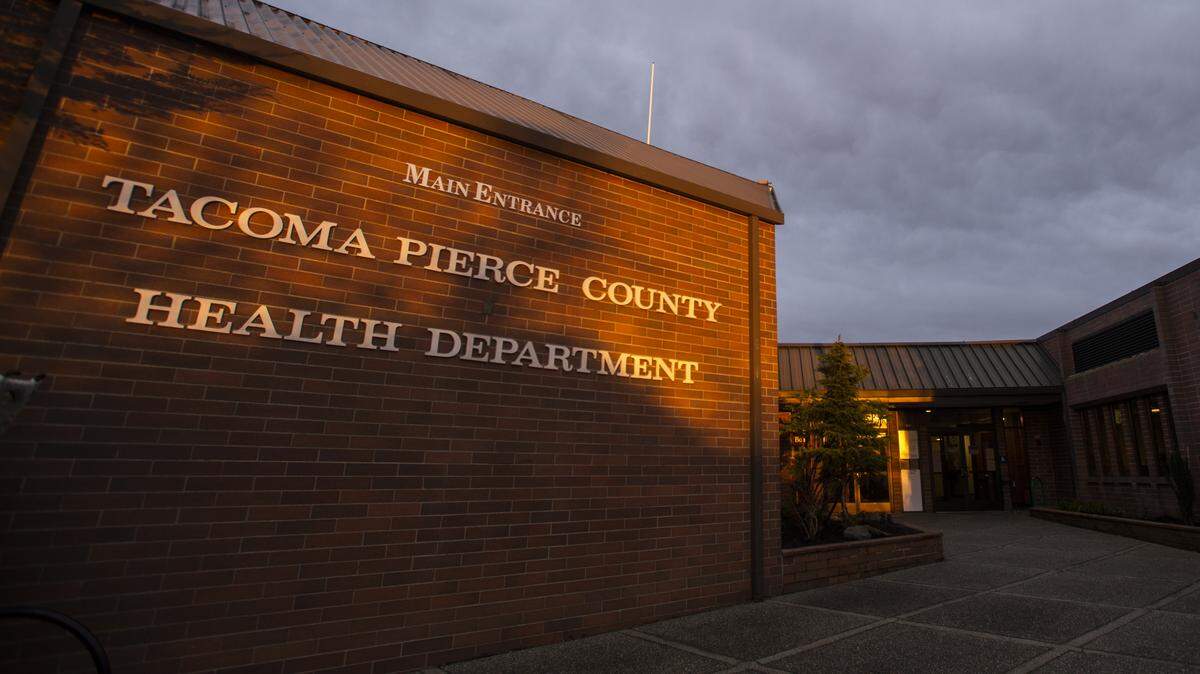
A Tacoma-Pierce County Health Department inspector visited Frugals on April 17 for a routine inspection and found only one “dangerous” infraction, which centered around handwashing and glove use. Aside from a standard temperature check of the mix, deemed normal, the inspection report noted nothing in particular about frozen treats or the complex commercial equipment used to produce them.
It wasn’t until Aug. 8, when Listeria illnesses dating to February were traced back to the restaurant, that inspectors turned their gaze to the milkshake machines.
Ten days later, all flavors of the milkshakes at Frugals in Tacoma were found to be contaminated with the same strain of Listeria that DOH had tied to at least two illness cases reported in Pierce and Thurston counties.
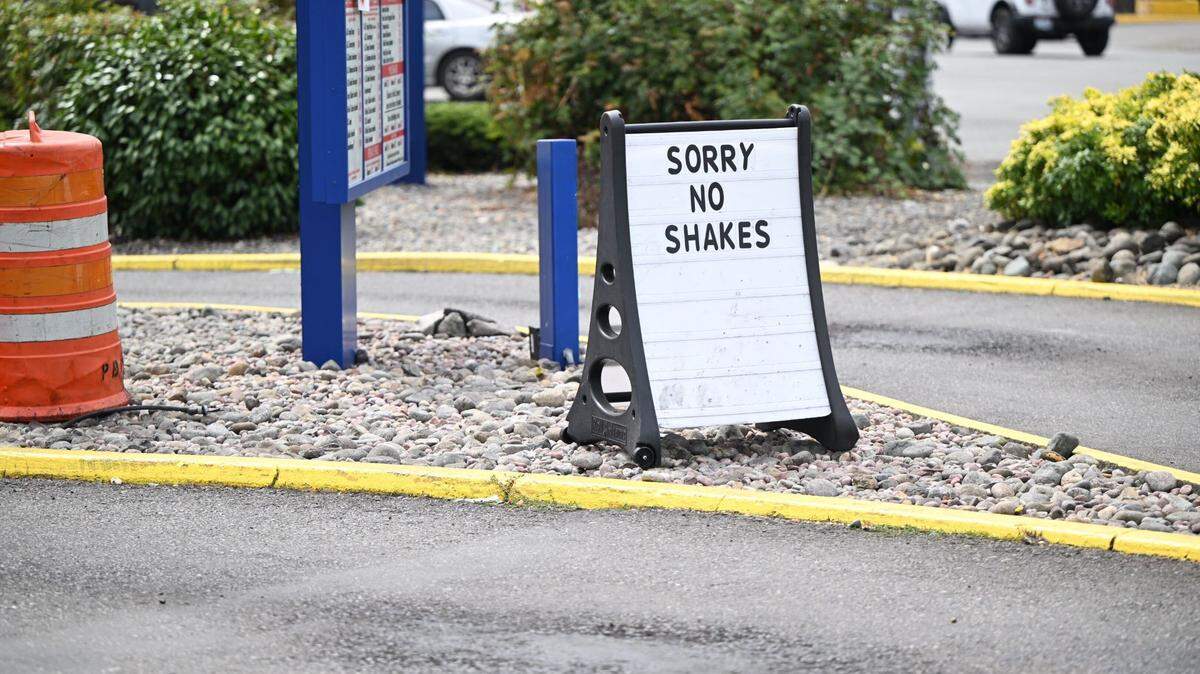
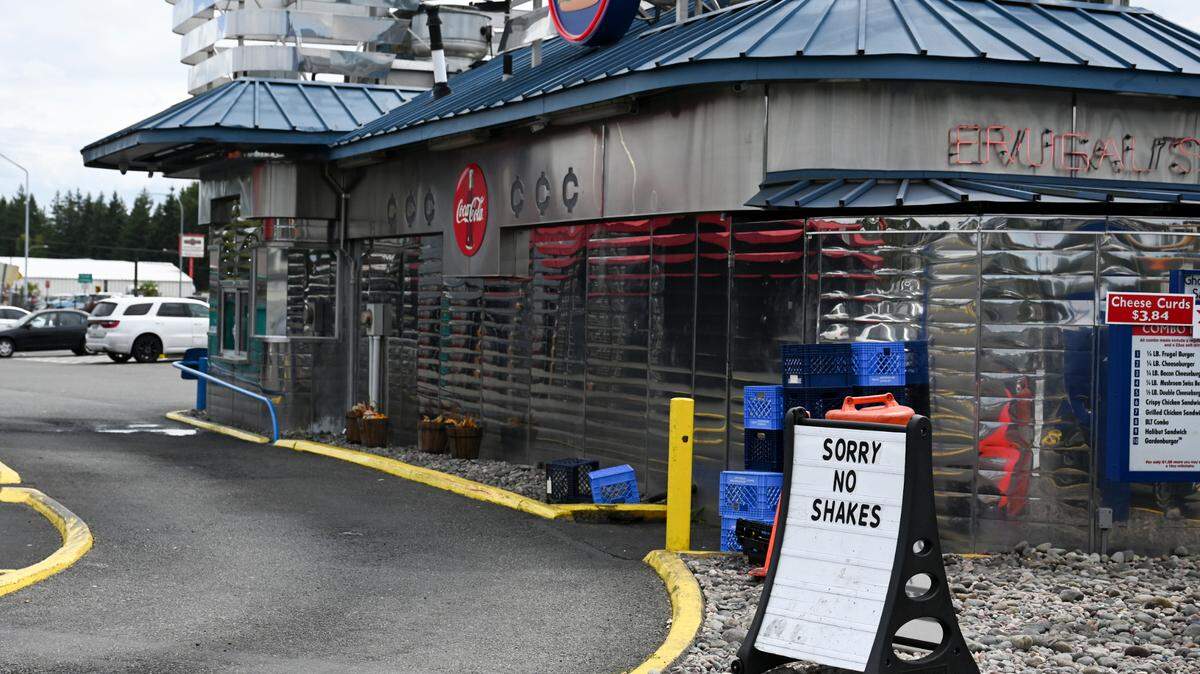
The restaurant’s two machines were shut down Aug. 8; Frugals also temporarily stopped using its machines at its other locations in Washington and Montana “out of an abundance of caution,” it said, to have all of them sanitized and tested by a third party.
In a statement issued Sept. 6, Frugals announced that “milkshake machines from its six locations outside of Tacoma have all been independently lab-tested. As expected, all samples have come back negative for the presence of Listeria.”
How the outbreak unfolded reveals an improper cleaning regimen and no substantial scrutiny of such machines in routine restaurant inspections.
Those issues would collide into a perfect storm for the fatal outbreak.
Outbreak timeline
Between Feb. 27 and July 22, 2023, six customers (five from Pierce County and one from Thurston County) developed severe illness due to infection with Listeria bacteria (listeriosis), according to Washington State Department of Health. Three of them died.
Listeriosis cases were first announced in July in Western Washington by DOH.
DOH and TPCHD on Aug. 18 announced that two of the people had consumed milkshakes from Frugals at 10727 Pacific Ave. S. in Tacoma.
“Genetic fingerprinting (whole genome sequencing) of the bacteria indicated that the same food was likely responsible for making all six people sick,” DOH said at the time.
Three separate lawsuits have now been filed against the company — two from customers hospitalized after falling ill from consuming shakes June 6 and June 24, respectively, at the Tacoma restaurant. The first lawsuit was from the estate of a customer who consumed one or more shakes between March and April and later died.
The News Tribune reviewed what was — and wasn’t — flagged in the site’s health inspections this year and sought answers about what’s required of inspectors and businesses when it comes to testing and maintaining such machines.
Swabbing for samples from machine tubing, where Listeria can grow, for example, is not required in routine inspections.
In response to questions, DOH media representative Mark Johnson told The News Tribune via email: “There is not a federal or Washington (state) requirement to swab frozen dessert machines in restaurants during inspections.”
Many local health departments, including TPCHD, require that all equipment at foodservice establishments be commercial-grade.
“Before the machines are approved for widespread use,” added Johnson, “their components and cleaning procedures are evaluated to a national equipment standard to ensure they meet food safety and sanitation requirements including sanitization efficacy.”
He added that the state food code “requires restaurants use a pasteurized ingredient and follow the evaluated cleaning requirements set by the manufacturer unless they have a unique operating plan approved by the health department.” Overall, Johnson said, inspections aim to ensure compliance “through discussion with the restaurant staff, visual inspection of the unit, observation of the cleaning procedures, review of records, or a combination of activities.”
Alvin Lee is an associated professor of food science at Illinois Institute of Technology, where he specializes in microbiology and virology in foodservice.
Because they happen during service, inspections verify “whatever they can see,” Lee told The News Tribune.
The challenge with something like Listeria is that it’s “always in the environment — it might be in very small quantities in food products that we eat every day,” he continued. Though inspectors could and perhaps should verify cleaning protocols, “You can only clean in places where you can reach. The problem with this equipment is the tubing.”
Even a single cell of Listeria “can get stuck in the tubing,” he said, pointing to biofilms, which would be invisible to the naked eye. “When product flows through it again, it dislodges a little bit of that biofilm into the product itself.”
Listeria also has the unique ability to survive at cold temperatures, though it would grow at a much slower pace.
“It still likes that cold environment,” Lee said.
APRIL 17 INSPECTION
On a routine April 17 inspection, which was unannounced and lasted for just shy of two hours, Frugals in Tacoma was cited for improper handwashing by employees, considered a “red” or dangerous offense.
The TPCHD inspector noted an employee, wearing gloves, touched raw beef and, after throwing those gloves away and putting on new ones, touched hamburger buns. Though new gloves were used, the employee should have washed their hands in between those two steps.
The report also cited three minor infractions, those deemed not high-risk but still against regulations.
A box of onions was on the floor but should have been placed on a shelf at least six inches off the ground. Gloves were found to be stored in the restroom area, which is not permitted. Finally, a food processor meant for home use was on the premises; it was no longer being used, according to staff.
As is typical, temperatures were taken for hot-holding on the grill, cooked burger patties, refrigerators, freezers and the milkshake machines. All were within ranges considered safe by the health department.
All told, Frugals received a total of 38 “points,” 25 of which were red. Only repeated offenses for the same issues, ensued by fines and follow-up inspections, lead to a downgrading of a restaurant’s health rating. Frugals was considered “great” under TPCHD’s rating system, which changed to smiley-face icons in 2022. An “OK” is represented by a mild smile and a straight face for “needs improvement.”
The move to emoticons was intended to provide diners with an at-a-glance way of knowing if a restaurant was adhering to food safety standards. Signs must be easily visible to customers, preferably near the entrance, or in the case of a drive-thru, at the window. TPCHD told The News Tribune at the time the change was made that, of about 4,000 facilities the agency inspects across the county every year, “most … do really well.”
Given the DOH timeline of illnesses, February to July, The News Tribune asked TPCHD in August why nothing was detected at that April inspection, and what could have been done to potentially avoid the outbreak.
”Local food inspectors don’t take samples or swabs for lab testing, including for Listeria bacteria, during routine inspections,” TPCHD media representative Kenny Via said via email. “We generally only do that when an investigation leads to a suspected link to a specific food establishment or product.”
He added that “businesses can choose to send samples to a private laboratory to monitor their product for Listeria, but this is not required by Washington State Food Code.”
Via further outlined what happens in routine inspections, noting that each “is a snapshot in time and relies in part on information from staff.”
“During routine inspections, we check the temperature of ice cream machines and talk to employees and managers about their food preparation and cleaning procedures,” he wrote. “Restaurant staff usually clean and sanitize these machines when the business is closed. We typically inspect restaurants during operating hours, so we can see as many food processes as possible.”
At a TPCHD meeting Sept. 6, board member Paul Herrara asked how the inspections dealt with Listeria: “Is that one of the things they look for in that particular machine?”
Nigel Turner, division director for Communicable Disease Control, responded that inspections are limited.
“I think it’s important to understand that when we do inspections at facilities, typically, we’re in there several times a year with many things we have to look at. And we obviously work to identify areas that have contamination, but we’re not in a position where we can go in and sample food or take on all equipment parts to ensure that it’s safe,” Turner said. “I think another thing is that we really work with facilities to ensure that their managers have the training and oversight of the equipment, so they know to follow the directions to clean and sanitize machines, as well as other important measures to ensure safety.”
At their core, said IIT’s Lee, inspections check for “cleanliness and hygiene,” focusing on “whether food is produced in an area that is actually clean and also doesn’t violate the food code.”
Routine testing is both expensive and not guaranteed to absolve all risk, noted Emily Hovis, an assistant professor at the University of Washington with experience in food safety and environmental compliance, including as a restaurant inspector.
Testing “doesn’t necessarily make the food safer,” Hovis said in a phone call. “A negative test result doesn’t mean contamination isn’t there, and that’s one of the challenges.”
AUG. 8 ‘ILLNESS INVESTIGATION’
TPCHD inspectors visited Frugals in Tacoma again on Aug. 8, a Tuesday, arriving at 10:45 a.m. with the express purpose being an “illness investigation following multiple reports of foodborne illness” connected to the restaurant.
They were on site for 2 hours and 35 minutes, according to the inspection report, which is publicly available on the agency’s website.
During that time, inspectors tested temperatures of the walk-in cooler and of the two milkshake machines. From that standpoint, nothing was amiss: The mix in the freezer sat at 38 degrees Fahrenheit and the freezer itself at 40 degrees. The milkshake machines were above where they should be for service — at 45 and 48 degrees, as opposed to at most 41 — but the report noted that staff had just blended the mixes into the machines.
The inspector asked the employee who had cleaned the machines that morning to describe their process. Frugals cleaned the Taylor 5454 machines, equipped with three dispensers, every Tuesday, the report detailed.
At the end of service on Monday nights, an employee would empty the machines of milkshake mix, which is blended internally from a combination of a base “shake mix” and flavored syrups. The employee shared a 15-step cleaning protocol, including a pump cycle with a commercial sanitizing solution. “All removable parts” were disassembled from the machine, cleaned and air-dried, per the process outlined in the report. Inside elements that are not removable, such as holding bins, were cleaned by hand with clean wash rags and sponges.
The report states the inspector “reviewed the manual” and discovered that “inlet and tubing be cleaned with a scrub brush.” The report states: “No scrub brushes available at time of inspection, and the clean process outlined in this report does not include the cleaning-up tubing.”
It also notes “a small crack in the holding bin of machine 1,” which that day was prepared to serve Frugals’ August seasonal flavors, lavender and blackberry.
The manual for the Taylor 5454, from Illinois-based Taylor Co., a leading manufacturer of frozen dessert machines, is 56 pages long. The word “brush” is mentioned 32 times in reference to several parts, including tubing, various fittings and tanks. It notes that scrub brushes “specially designed to reach all mix passageways” are provided with the initial purchase of the machine, with new brushes available to order.
Of particular emphasis is the tubing that connects the mixing bin to the freezing cylinder inside the machine.
“This area needs special attention because bacteria and milkstone can accumulate here,” the manual reads. In the section about the syrup system, it recommends that those lines be flushed and sanitized weekly, which prevents clogging and “will break the bacteria chain.”
The manual states the machine should be cleaned “regularly” but specifies only “at least once a week.” Schedules “are governed by your federal, state, or local regulatory agencies and must be followed accordingly,” it reads.
While on site Aug. 8, the TPCHD inspector took samples from both machines, which were sent to the state DOH laboratory for testing. The restaurant was barred from selling milkshakes until approved by the local health department.
“As soon as this investigation led to a possible link to Frugals milkshakes, our food safety team instructed Frugals to no longer use these machines,” Via of TPCHD told The News Tribune on Aug. 31.
The inspector discussed a “schedule” for replacing the tubing in the machines, which the employee said typically was not replaced unless it was “broken.” O-rings, the rubber circles placed where parts meet, were replaced monthly, according to the employee.
Via told The News Tribune that TPCHD “will continue to work with Frugals on their food-safety processes through consultation and inspections.”
WHAT WENT WRONG?
In its Sept. 6 statement, Frugals cited missteps in its cleaning regimen while adding that despite not being routinely checked by the local health department, “the machines in Tacoma have always undergone a rigorous weekly cleaning.”
The company said it discovered that “the manufacturer’s recommended cleaning tool was not being used for a portion of the process at the Tacoma location, and this may have allowed for a buildup of the Listeria bacteria.”
In response to questions, Frugals said it was continuing to investigate what went wrong.
“Based on what we’ve learned so far, we believe that a combination of new management and product shortages may have led to a training session where, although the manufacturer’s prescribed cleaning procedures were followed, scrub sponges were used in place of scrub brushes to clean and sanitize the machine,” the company said in a statement to The News Tribune.
“Because this process is done by only one to two employees outside of business hours, and because this process is not covered in the routine TPCHD inspection process, the use of the scrub sponge was not identified prior to the present investigation.”
Following the discovery, Frugals said,”We have since enacted several new policy changes around shake machine cleaning including a corporate re-training of all management, the use of an accountability system for the cleaning process, laminated step-by-step checklists, and a formalized sign-off sheet.”
Logs can be one part of a multi-tiered approach to food safety in retail settings, according to UW’s Hovis, but she cautioned they can easily be falsified. Comparing it to layering Swiss cheese, where the number of holes decreases with each slice, she emphasized the power of proper training and attentive management.
“Food safety is more complicated than just the pathogen: It’s the people. It’s the culture,” she said. “If managers aren’t trained to be looking for those risks in kitchens, their staff is going to have a hard time knowing what is right or wrong.”
MACHINE CLEANING AND HIDDEN DANGERS
The News Tribune asked Johnson of DOH about on-site cleaning requirements, including frequency, of machines like the Taylor 5454.
Cleaning directions are “unique” to each machine, he said.
In addition to meeting National Sanitation Foundation standards, commonly known as NSF/ANSI, such equipment is tested and certified by a third party “for effectiveness to properly remove germs.” The process typically involves “breaking down parts of the machine to access the interior chambers while using specific brushes to scrub the surfaces, tubing, and connections,” he wrote.
“The cleaning frequency for frozen dessert machines will be based on the cleaning schedule listed in the manufacturer’s operating manual, the equipment temperature, and the operator’s procedures,” he said. “Some soft-serve machines that keep product cold at all times are listed for daily cleaning, while others can hold product up to a week between cleaning cycles.”
Although frozen desserts and soft-serve, such as milkshakes, are “generally considered low risk for most people,” he added, bacteria such as Listeria “can survive cold temperatures and sicken people, especially those with weakened immune systems.”
Pregnant women are at 10 times higher risk than the general population, and Hispanic pregnant women in particular are at 24 times more risk, according to the Centers for Disease Control and Prevention. Listeria can cause miscarriages, stillbirths and preterm labor.
The CDC ranks Listeria third among the top five pathogens contributing to “domestically acquired foodborne illnesses resulting in death,” behind Salmonella and Toxoplasma (parasite).
For perspective, in the United States there are 2,000 hospitalizations and 150-200 deaths annually tied to food-allergy cases. That compares with 128,000 hospitalizations and 3,000 deaths nationwide tied to foodborne illnesses, according to federal estimates from USDA and CDC.
In the Listeria cases from Pierce and Thurston counties, DOH on Aug. 18 said those affected had “conditions which made their immune systems less able to fight disease.”
The risk is not limited to frozen dessert machines, Johnson continued.
“Because of Listeria and the unique structure of some equipment, we have several pieces of simple and complex equipment used in restaurants that require considerable care and staff training to ensure they are used and cleaned correctly to prevent illness,” he wrote, pointing to machines like deli slicers, frozen-dessert machines and blenders to tools such as sushi rolling mats and large cutting boards.
Equipment manufacturers like Taylor Freezer are designing machines for dual, somewhat competing purposes, said Lee at IIT. They need to do the thing the company touts — make multiple flavors of milkshakes in one pull of a lever — and be easily cleanable.
“Cleanability is one thing,” he said, but removable parts like O-rings and those hard to reach or clean, like tubing, should probably be subject to a prescribed replacement schedule. Once a week might suffice if the product is constantly flowing, but anything that idles might require more frequent attention.
“Nothing is 100%, but you try to reduce your risk by doing the best you can,” he said. “Pay attention to areas where you can’t easily reach — those are the areas that can potentially harbor bacteria growth or survival.”
Frugals told The News Tribune that “all stores outside of Tacoma were confirmed to be using the manufacturer’s specifically designed cleaning brushes for the shake machines.”
The company has approved these locations to resume serving milkshakes.
The machines in Tacoma remain out of service as the health department continues to work through the compliance process with Frugals, TPCHD’s Via told The News Tribune on Sept. 6.
“As a family-owned small business for more than 30 years, the trust of our customers is paramount,” said Frugals. “We are heartbroken by the tragedy of this situation and are committed to earning back the full confidence of our customers in the hope that we may continue to serve affordable, high-quality meals to our communities.”
Asked if any one party or step in the process should be blamed, Hovis at UW stressed a lessons-learned mentality.
“No business wants this to happen,” she stressed. Pasteurized milk products, as was the reality with these milkshakes, are generally considered to be fairly safe for most people.
“It’s the layering of the cheese example: The holes lined up where the risk overcame the controls we had in place,” she said. “Does that mean we ban all milkshake machines? No.”
Instead, everyone involved — from restaurants to regulatory bodies, policymakers to the dining public — might consider how to make things safer.
“When something like this happens; people did get sick and die ... is that OK?” asked Hovis. “You really have to ask yourself, ‘Could we do better, and what would that look like?’”
This story was originally published September 11, 2023 at 5:00 AM.