Man who wrecked into train didn’t see it, lawsuit says. Now Tacoma will pay $1.5 million
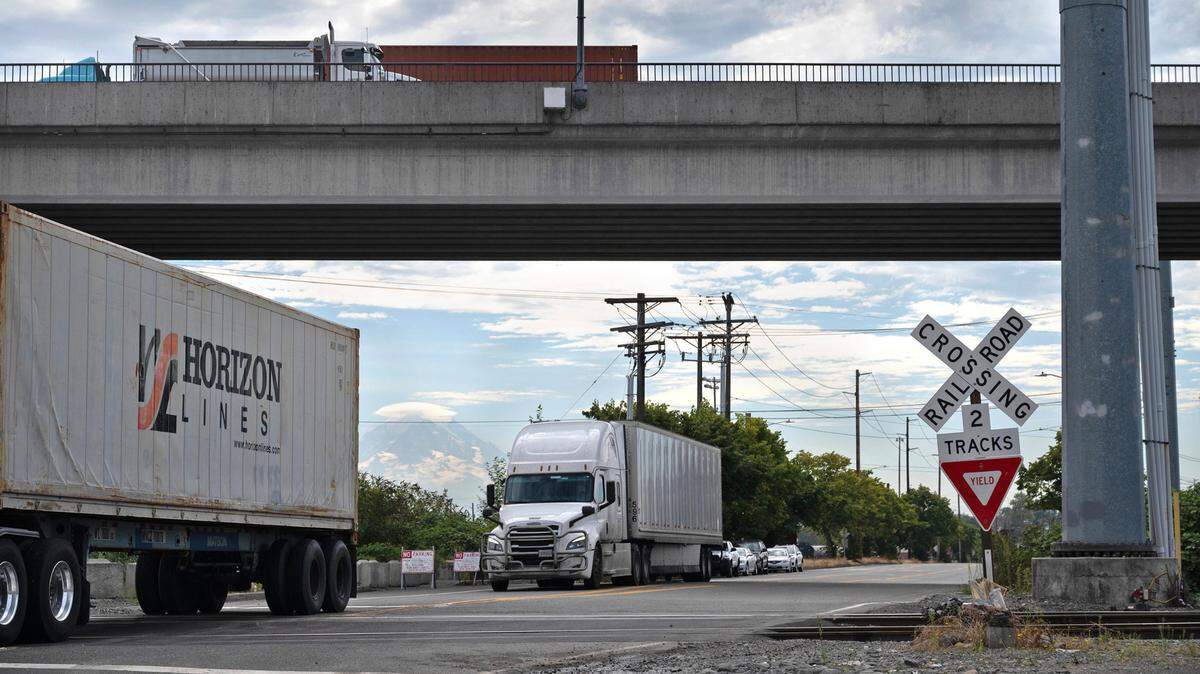
In September 2017, a Spanaway man died after driving into a Tacoma Rail train at a difficult-to-see crossing, court documents claim. Now, nearly seven years later, the city of Tacoma has agreed to settle a lawsuit brought by his estate.
The Tacoma City Council on Aug. 20 approved a $1.5 million settlement in the case.
Wesley A. Evans’ 1999 Acura crashed into a train in the early morning hours of Sept. 19, 2017, court documents show. His estate claims that the crossing near the intersection of Milwaukee Way and Lincoln Avenue in the Tideflats was not properly marked.
The collision happened at around 2:42 a.m. after Evans wrapped up a shift as a longshoreman, according to court documents. A slow-moving train effectively blended into the background, and the unguarded crossing did not have warning lights or gates.
The News Tribune asked the city for comment on the news of the $1.5 million settlement. Spokesperson Maria Lee replied via email, in part: “Because the lawsuit is still active, we would not comment on the specific facts of the case and generally cannot discuss the reasons for settlement of this lawsuit.”
Asked whether the city has installed anything such as additional signage since Evans’ death, or whether it has plans to do so, Lee reiterated that “the case is still pending and we cannot comment.”
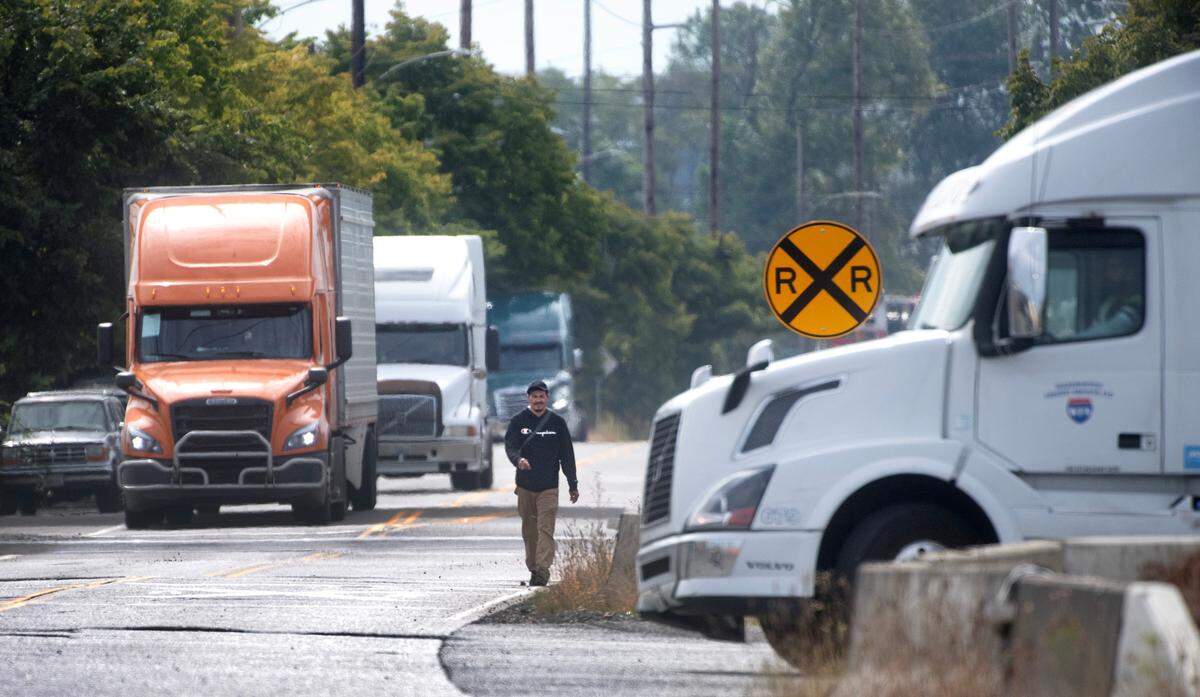
Evans’ estate filed the complaint for wrongful death and survival in September 2020. Court documents state that although Tacoma Rail personnel had previously placed warning flares at the crossing, they had not done so ahead of the fatal wreck.
Evans died of blunt-force trauma at the scene, documents show. He was 28.
Attorneys for the city argued that other motorists were able to see and avoid the train that same night. They asserted that Evans was likely distracted at the time of the incident, and that the game Pokemon Go had been playing on his phone when first responders arrived.
Lawyers for Evans’ estate didn’t give much credence to the Pokemon Go argument and “completely disagreed” with the defense’s distracted-driving claim, said attorney Ben F. Barcus. He told The News Tribune that the railroad crossing is quite dangerous, and that other longshoremen had previously complained to the city about the risk it posed.
“We’re trying to prevent others from being injured or killed, such as Wesley Evans, at this crossing that we believe was very unsafe,” Barcus said.
One longshoreman clerk claimed that trains like the one involved in the crash are low-to-the-ground and “extremely hard to see — especially at night,” documents show.
Barcus noted an apt nickname: “ghost trains.” Approaching drivers can see through them, such as streetlights on the other side of the crossing, he said. Such trains can also effectively be camouflaged because of a lack of lighting and earth tones, making them blend in with the surrounding darkness.
Another attorney for the estate, Thaddeus P. Martin, also emphasized how difficult it is to see these trains. He told The News Tribune that there aren’t any warnings at the crossing other than signage on the side of the street.
“You have to keep your head on a swivel down there, because there could be a mile-long train with no indicators, no flashing lights or anything that appears in the middle of the road,” Martin said.
Drivers in that area are effectively playing a game of “Russian roulette with these trains,” Martin said. Even when flares are thrown out, they last just a few minutes, he added.
Evans was a good dad who loved his daughter tremendously, Martin said. She was 9 at the time of the crash.
“Something needed to be done at that intersection, and we made sure through this settlement that something will be done,” Martin said. “… Like I told [his family], we don’t know the countless lives that this settlement will save because of the crossing that we’re going to work hard to get up there.”
This story was originally published August 28, 2024 at 5:00 AM.