Museum and replica of Tacoma’s first residence turns 25 this year
The gritty surface of a cedar log was warm to the touch as the pioneer leaned against his masterpiece in the coastal sun.
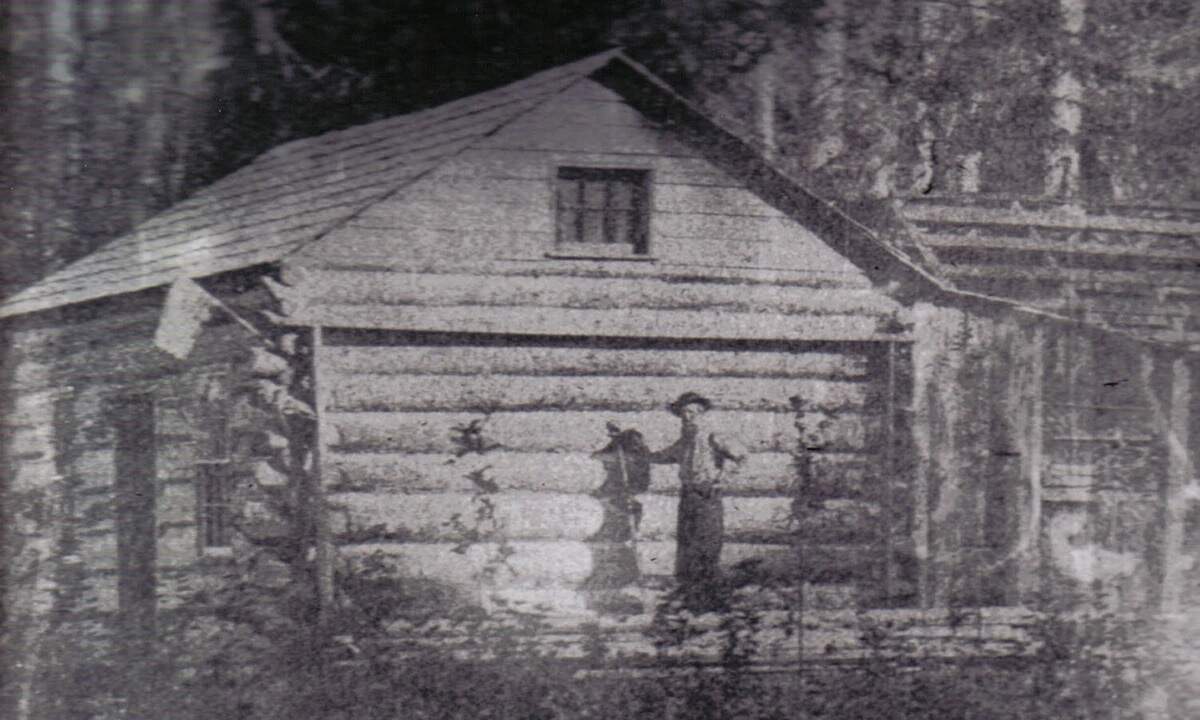
Standing on the waterfront several feet ahead, his son adjusted his camera, framing his father as he posed before his newly built cabin, surrounded by the towering forests that once covered Old Town.
The year was 1866, nearly a decade before Tacoma was founded, and just two years after Job Carr arrived in the Evergreen State.
It was an important moment to capture, for this was no ordinary cabin. It was the first-non-native permanent settlement in Tacoma.
Today, this moment is preserved in black-and-white at the Job Carr Cabin Museum as one of the first pictures ever taken of the historic building.
And though the original doesn’t stand, the museum is a faithful replica sitting along North 30th Street amid the hustle and bustle of modern living.
This year, the museum celebrates its 25th anniversary of teaching curious visitors about Tacoma’s first non-native resident and the storied history behind the origins of T-Town.
Carr’s ‘Eureka’ moment
Like most of the West Coast settlers of the 19th century, Carr originated from the other side of the continent.
He was born in New Jersey in 1813 and later moved to Indiana where he met and married his wife, Rebecca Pitman. The pair had four children together.
Carr was a fervent abolitionist, and when the Civil War came around, he put aside his pacifist Quaker beliefs to fight for the Union Army with his two sons. He served nearly three years until suffering a serious injury, forcing him to go home and recover in 1864.
Shortly after he and his wife separated after 24 years of marriage, Carr heard of the government authorizing construction of a railroad to the Pacific Northwest.
Enticed by the allure of manifest destiny, he sold his fruit tree nursery, bought a team of oxen and headed west. He arrived in Olympia in late 1864, when he was 51 years old.
On Christmas day of that year, Carr hopped in a canoe with some companions to scout for an area that would be the best geographical position to build his home.
“As we went along in our canoe, when we came opposite where Tacoma now stands, I raised on my feet and exclaimed ‘Eureka, Eureka’ and told my companions there was my claim,” Carr wrote in 1885.
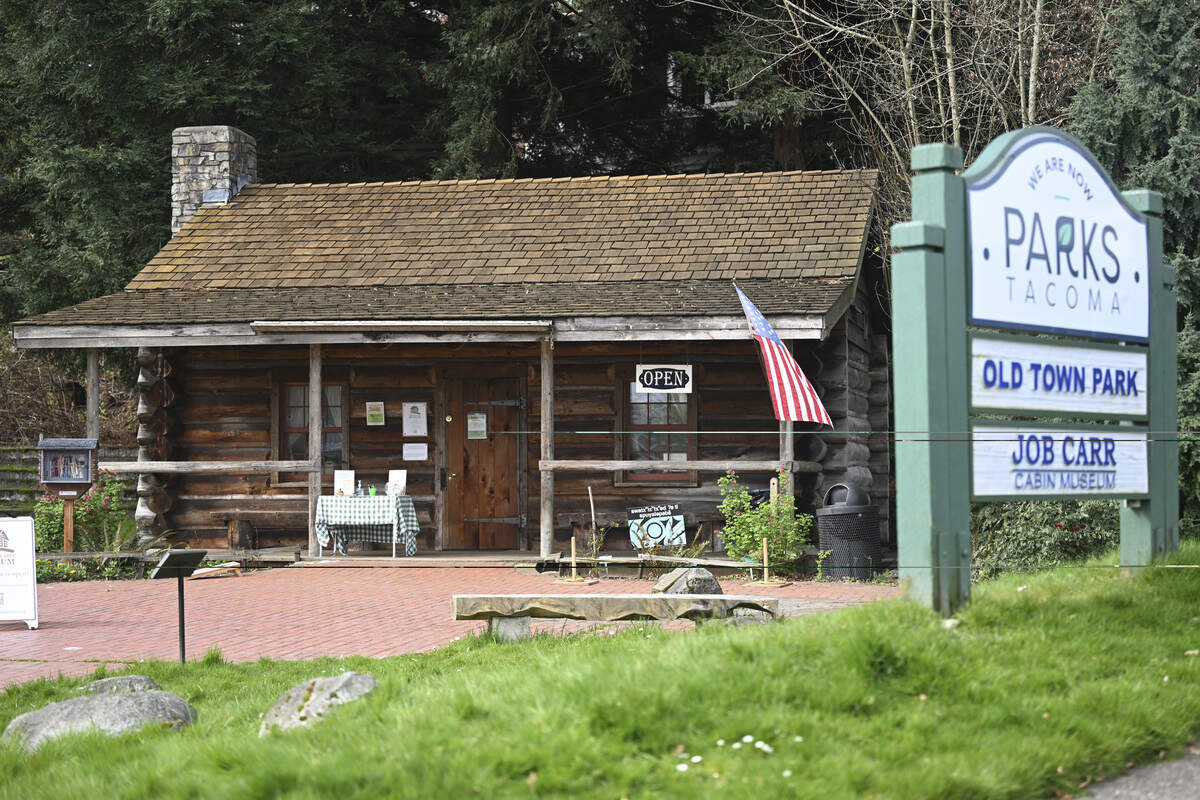
He purchased 168 acres of land located on what is now the Old Town waterfront and built a cabin to live in with his yellow cat, Tom.
Carr held a lot of “firsts” for the young city. He was Tacoma’s first mayor, postmaster, notary public and justice of the peace.
“He’s someone who’s respected to make a fair decision for other people in the community,” said Program Manager Holly Stewart. “[Carr] really wants to build something good here and be part of this cool new thing that’s happening across the country.”
As more people began to move to the area, his cabin became a community post office in 1869.
After Carr’s death in 1887, the building remained abandoned until the City relocated the cabin to the entrance of Five-Mile Drive at Point Defiance Park in 1917.
There it stood for decades, slowly deteriorating in the park’s marine climate. By the 1980s, the bare-bones wooden structure had become unsafe. The city ultimately decided to demolish it.
But that’s not the end of the cabin’s story.
Twenty-five years of history
In the 1990s, residents of Old Town began talks of improving the neighborhood’s historic presence by reconstructing the iconic wooden building.
With the help of local architect Gene Grulich, crews were able to construct a remodeled cabin equipped with modern amenities like plumbing, electricity, as well as a hidden office so it could function as a nonprofit business.
The Job Carr Cabin Museum was officially completed in December 2000, and since then thousands of visitors from all walks of life have visited.
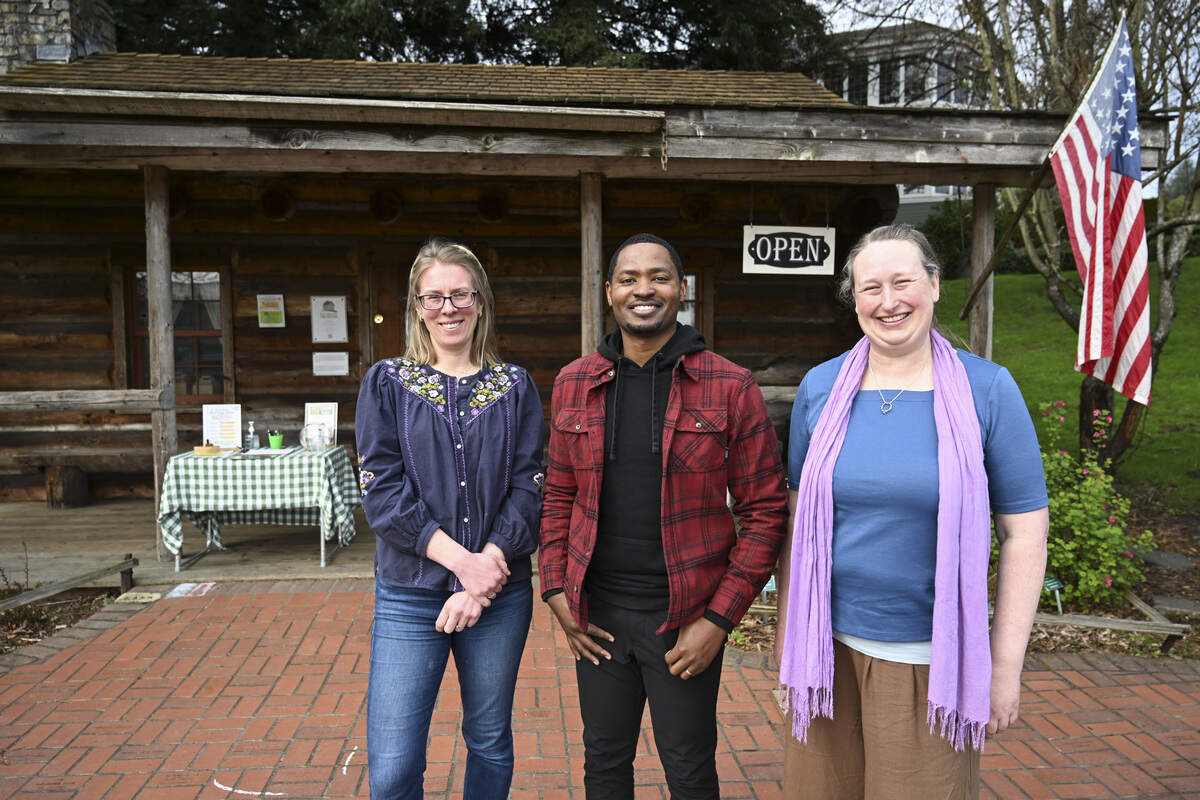
Besides being open to the public Fridays and Saturdays from 10 a.m. to 2 p.m., the museum hosts a variety of fee-free educational programs and historic-themed events.
On one of the field trips where students explored the cabin and surrounding Old Town, Stewart remembers seeing the eye-opening impact of their programming firsthand.
“We had this kid who was like, ‘I didn’t know Tacoma had a waterfront,’ ” Stewart said. “There’s no barrier for kids to come here and experience this, learn about their city and just to broaden their horizons that the city is more than just the cluster around your neighborhood.”
As a teaching museum, many of the objects in the cabin are free for guests to interact with, save for a few real Carr family artifacts like wooden chairs and a large spinning wheel.
“Not a lot of museums are built for a whole family experience,” said Courtney Bird, the former executive director of the museum. “Kids play with the food and cook over the fire for an hour, and they’re just hanging out like this is their home. And by the time they leave, they feel a real sense of ownership, and it’s really cool.”
This year, Bird is stepping down as executive director. Taking her place is Marquise Dixon, former CEO of the higher-education nonprofit Degrees of Change.
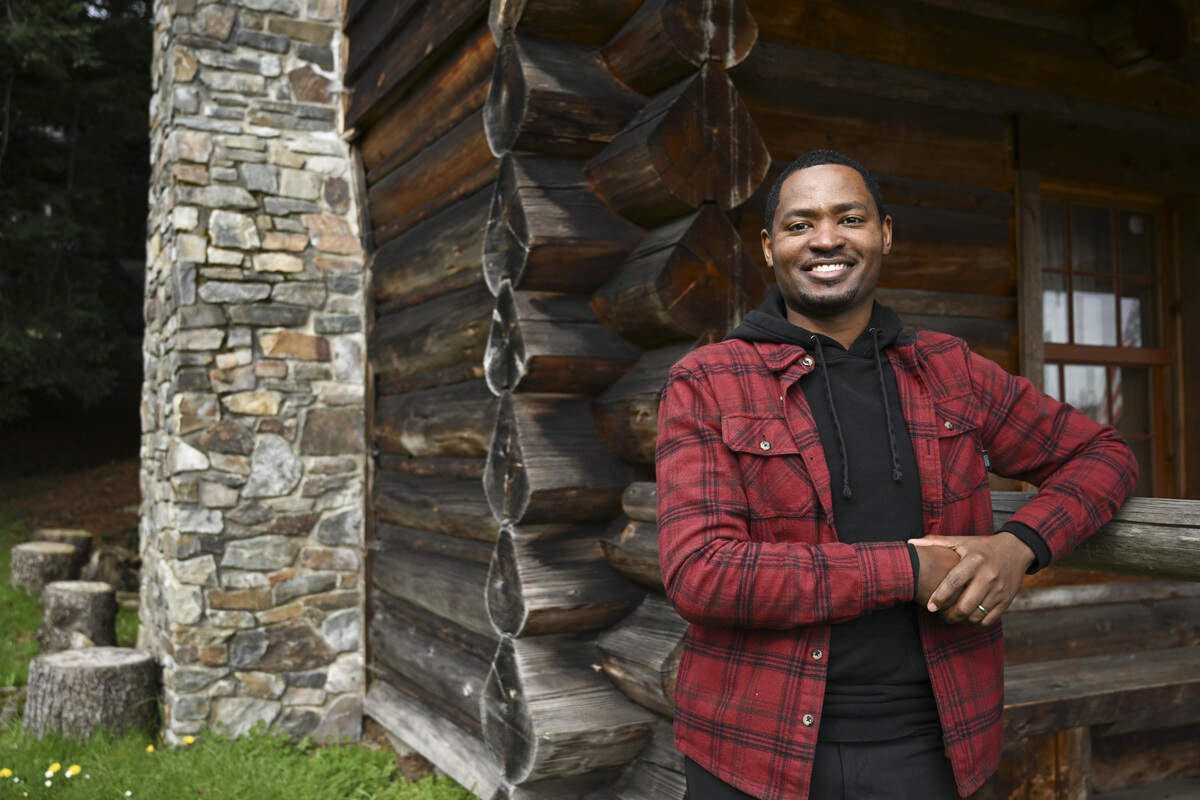
Dixon was first introduced to the museum while chaperoning on a field trip with his son a couple of years ago.
As a former history major, the cabin’s impressive detail and inclusionary approach to teaching about the past stuck with him, and informed his decision to apply this year.
“Lots of times, parts of history are left out or excluded,” Dixon said. “And so by preserving the stories, not only just Job Carr but his family, his wife Rebecca [...] those types of stories are something that I think are very, very empowering.”
As part of its year-long 25th anniversary celebration, the Job Carr Cabin Museum will host a series of events called “Tacoma Heritage Days” focused on historic crafts, games and demonstrations in partnership with local organizations.
The first event is a fruit tree planting outside the museum on April 18 in partnership with Tacoma Parks and Tacoma Tree Foundation, an homage to Carr’s history as an orchardist.
“It was really a way of thinking, ‘Well, how do we connect this past with the present and with the future?’” Bird said. “When you plant an apple tree, those apples are for generations.”
Besides horticulture, upcoming heritage days will teach skills like using historic tools, toy boat-making and how to make homemade instruments.
“Each of these heritage days are a way for kids to touch and feel and do history,” Bird said. “Not just see it or watch it, but to feel like they can get involved.”