What are the rules about foraging plants, fruit in Tacoma and Washington state?
AI-generated summary reviewed by our newsroom.
- Charlotte’s Blueberry Park in Tacoma is one place people can forage.
- WA state parks allow up to 2 gallons per person per day of mushrooms, berries or nuts.
- Olympic National Park rules: 1 quart per person per day for most edible fruits/mushrooms.
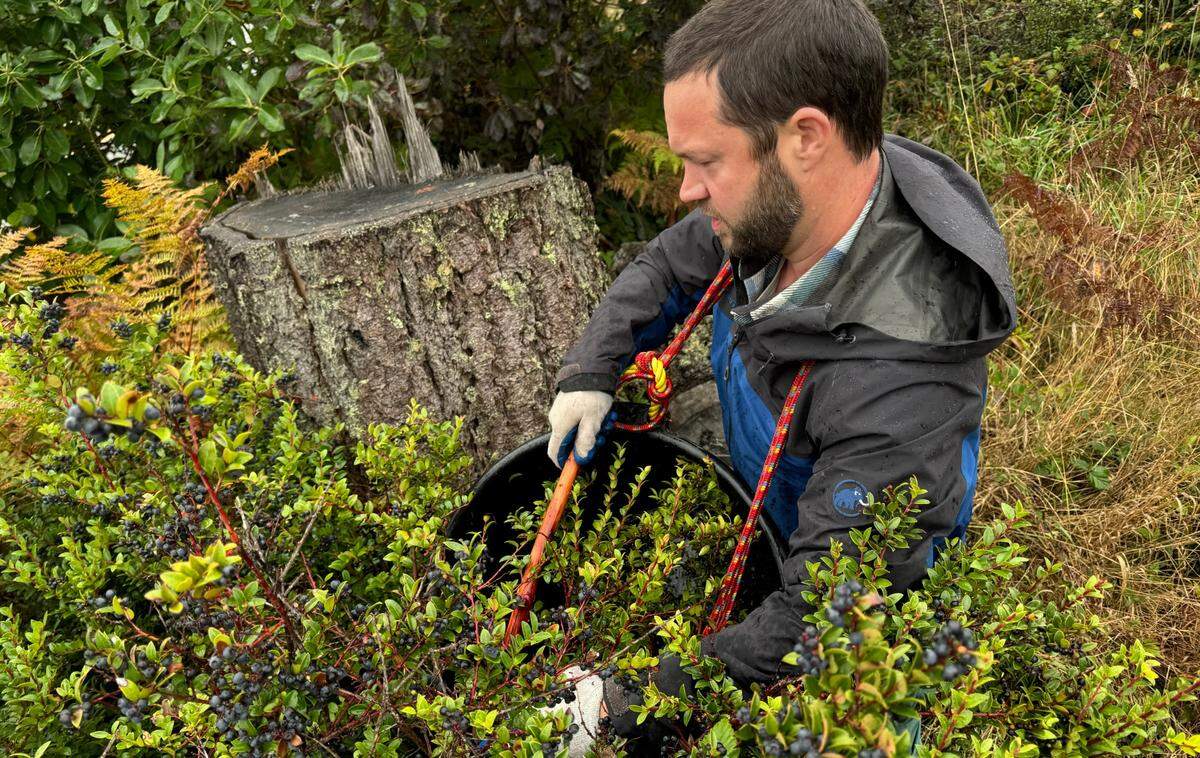
Over the weekend, The News Tribune accompanied herbalist Sara Butters as she taught students how to forage for plants at Charlotte’s Blueberry Park in Tacoma. Butters is the owner of the Hawthorn & Honey apothecary and herbal medicine shop in the Proctor neighborhood.
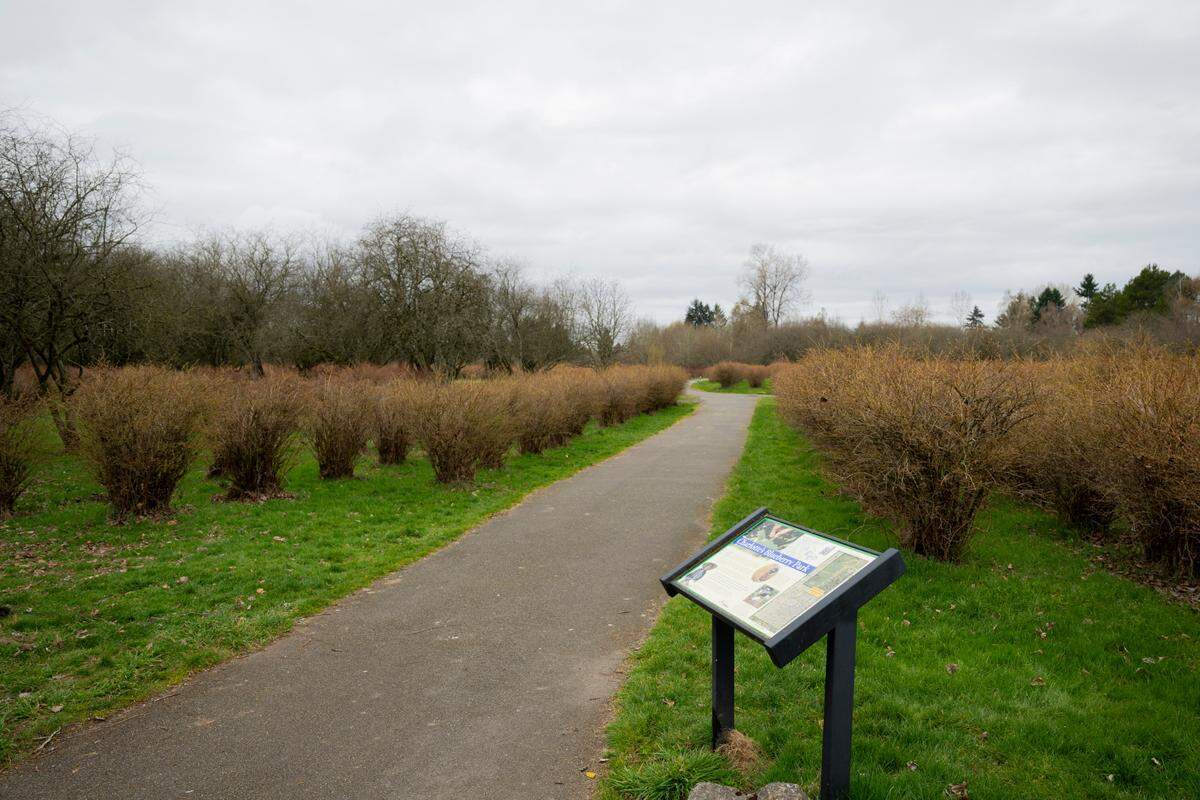
Charlotte’s Blueberry Park is the only designated “food forest” in Tacoma, and it raises the question: What are the rules around foraging in local parks, state parks and national parks in Washington? Here’s what we found.
A note: Illegal harvesting could result in fines, jail time, forfeiture of harvested items or potential criminal charges, including misdemeanors or felonies.
Foraging in Tacoma parks
Tacoma city code discourages people from removing plants, shrubs and fungi in parks.
Park code 8.27.100 says, “Unauthorized cutting, removal or destruction of any turf, tree, plant, shrub, flower or seaweed on park property is prohibited. While inside any park, having in one’s possession any newly-plucked branch, tree, flower, plant, fungus (mushrooms, shelf fungus, etc.), algae (seaweed, etc.) or shrub without specific permission shall be presumptive evidence of such unauthorized cutting, removal or destruction.”
Parks Tacoma spokesperson Stacia Glenn told The News Tribune foraging (which she defined as “scouring parks for desired plants, fungi, driftwood, etc.”) is different from gleaning (”collecting of fruit from trees and shrubs”).
Gleaning is encouraged in Charlotte’s Blueberry Park, which has more than 3,372 blueberry bushes free for the public to pick from July through September, per Parks Tacoma’s website. As previously reported by The News Tribune, staff plan to add other herbs, plum trees, persimmon trees, hazelnut trees, fig trees and walnut trees to the park in the future.
“Parks Tacoma recently completed an Urban Agriculture Plan and as part of that work, foraging and related policies were flagged for an update,” Glenn said April 30. “Any changes to policy require Parks Tacoma Board approval. We don’t have an exact timeline for when that will happen.”
Glenn noted that people should think carefully about what they forage, especially when it comes to fungi, and particularly in North Tacoma, which has contaminated soil as a result of the Asarco copper smelter plume. Residents should also be careful not to harm plant life when going off trail to forage, she said.
Foraging in Pierce County parks
In designated Pierce County Parks, “removing any plant material is generally prohibited unless you’re participating in the County’s Volunteer Stewardship Program,” said spokesperson Maranatha Hay on May 6.
Under the Pierce County Park Code 14.08.060, “It is unlawful for any person to: Cut, remove, damage, destroy, mutilate, mark or deface any turf, tree, plant, shrub, flower, structure, monument, statue, vase, fountain, wall, fence, railing, vehicle, bench, utility system, irrigation system, facilities or other property in any park without being designated as a stewardship function under the Volunteer Stewardship Program or under similar oversight by the Department.”
Foraging in Washington state parks
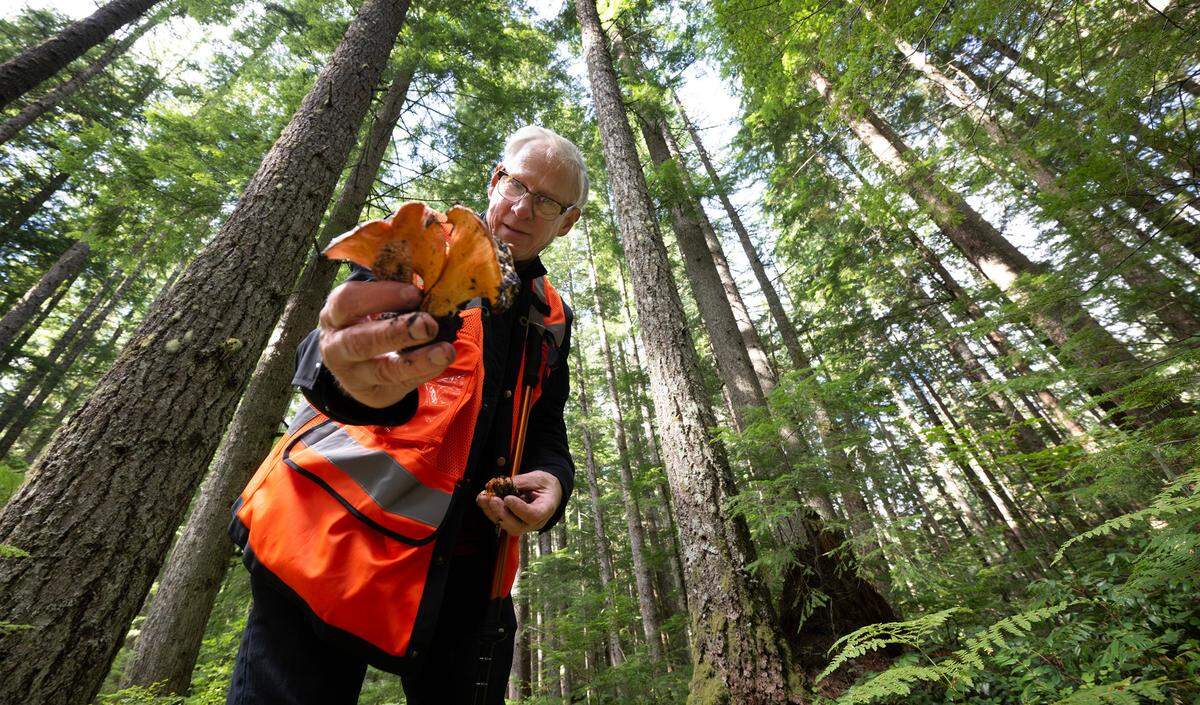
Residents are allowed to gather up to two gallons of mushrooms, berries or nuts per person, per day for personal uses in Washington state parks unless otherwise posted, said communications consultant Meryl Lassen.
“We ask that visitors take special care to not trample surrounding vegetation or damage the plants that they are collecting from,” Lassen said in an email April 29. “Visitors are not allowed to collect any herbs or plants. Seaweed collection is also prohibited, except at Fort Ebey, Fort Flagler and Fort Worden State Parks.”
Under Washington Administrative Code 352-28-030, the commercial harvest of edible plants and edible fruiting bodies, including mushrooms, are not allowed on park lands. You cannot harvest edible plants or fruiting bodies within a natural area preserve. Harvesting techniques that involve raking or “other techniques that have the potential to degrade park natural or cultural resources are prohibited.”
Foraging in National Parks like Mount Rainier, Olympic
In Mount Rainier National Park, people can harvest up to one gallon per person, per day of: blueberries, highbush cranberries, gooseberries, salmonberries, blackberries, thimbleberries, serviceberries, strawberries and edible fungi/mushrooms, for personal use or consumption, per information shared by National Park Service spokesperson Ana Beatriz Cholo. All native fish caught in streams and rivers must be released.
“The gathering or consumption of a limited number of berries and edible fungi has been determined to not adversely affect park wildlife, the reproductive potential of the plant species or otherwise adversely affect park resources,” according to a summary of the park rules implemented under 36 Code of Federal Regulations.
Among the best places to see wild mushrooms in the late summer and fall are trails near Longmire, Ohanapecosh and White River, per a Mount Rainier mushroom picking guide posted by the National Park Service. As previously reported by The News Tribune, the South Sound Mushroom Club is a great resource for mushroom picking and takes members on forays.
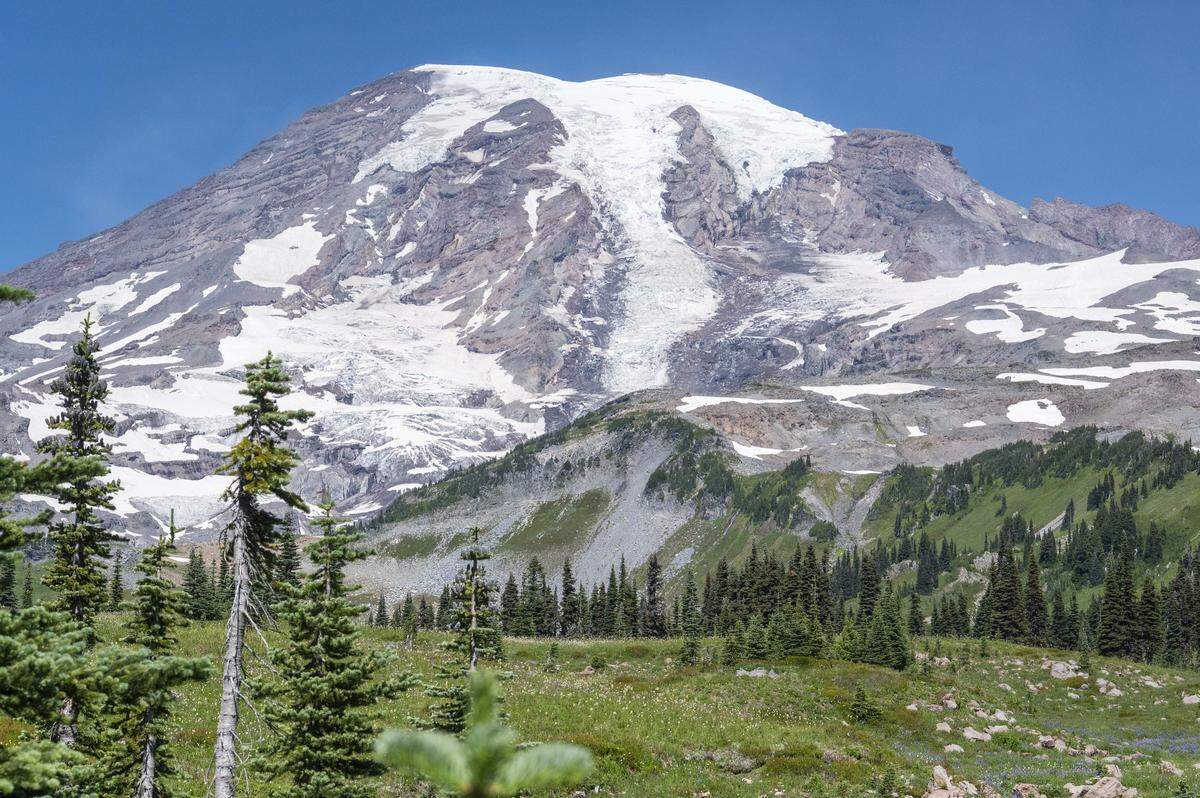
In the Olympic National Park the rules are a bit different.
“Edible fruits, berries, nuts and the fruiting bodies of mushrooms may be collected by hand for personal consumption, except within 200 feet of nature trails, special trails and natural study areas,” per the January 2026 Superintendent’s Compendium. “The total quantity of edible fruits, berries, mushrooms or nuts that may be possessed is limited to one quart per person per day. For cranberries and native black berries, the collection limit is 3½ gallons [and] can be collected once in a two-week period.”
Exotic species (like apples, pears and non-native blackberries) are exempt from the daily possession limits, per the rules. You cannot remove any species of fish, shellfish, aquatic plants, or wildlife from all waters within Olympic National Park, except as provided in the Olympic National Park Fishing Regulations.
“Our plant biologist has encouraged foragers to help combat invasive species — such as foxglove, scotch broom and herb robert — by pulling them up by their roots,” said Olympic National Park spokesperson Molly Pittman on April 29. “Spring is an excellent time for this work because plants are easier to uproot and have not yet produced seeds.”
For class B misdemeanor crimes (violations of the Code of Federal Regulations), penalties may not exceed six months in jail and $5,000 in fines, Pittman said Tuesday.
This story was originally published May 7, 2026 at 5:00 AM.