What will new homeless village in Spanaway look like? Small cottages, no drugs
AI-generated summary reviewed by our newsroom.
- First cohort moves in March or April 2027; 150 homes by 2028.
- Each resident will have a furnished 300–400 sq ft cottage and access shared facilities.
- Tenants must pay $400–$500/month rent and illegal activity is prohibited.
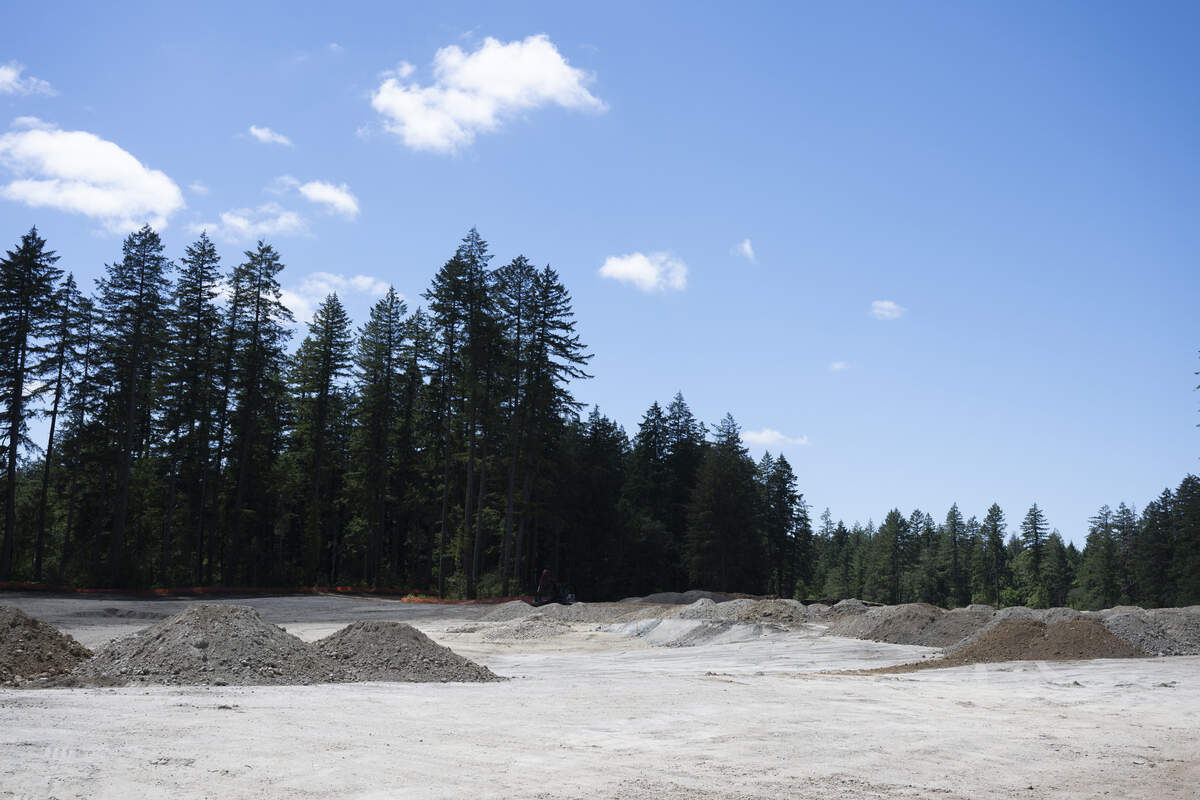
Birds were chirping over the subtle roar of the highway Wednesday in Spanaway as a handful of News Tribune reporters trekked through the woods, surveying an open gravel area that will soon be full of small cottages for the chronically homeless.
Earlier this month Tacoma Rescue Mission’s got the green light to start construction on its unique “Good Neighbor Village,” a shared-housing village for people living unhoused at 1609 176th St. S. and 17320 Spanaway Loop Road S.
The plan is to have the first cohort of 20 to 25 residents move in by March or April 2027, said Duke Paulson, Tacoma Rescue Mission’s executive director. The nonprofit plans to have 50 homes built in 2027 and 150 total homes built by 2028, in addition to shared buildings and a community farm, as previously reported by The News Tribune. The ultimate goal is to have 285 homes on site.
Now that the village is moving forward, The News Tribune toured the site and asked Paulson questions about what it would look like and what rules residents would have to follow. Residents will be expected to pay rent, encouraged to work on site and must follow the law by avoiding illicit activity, he said. Veterans and people living unhoused in Spanaway will take first priority for move in.
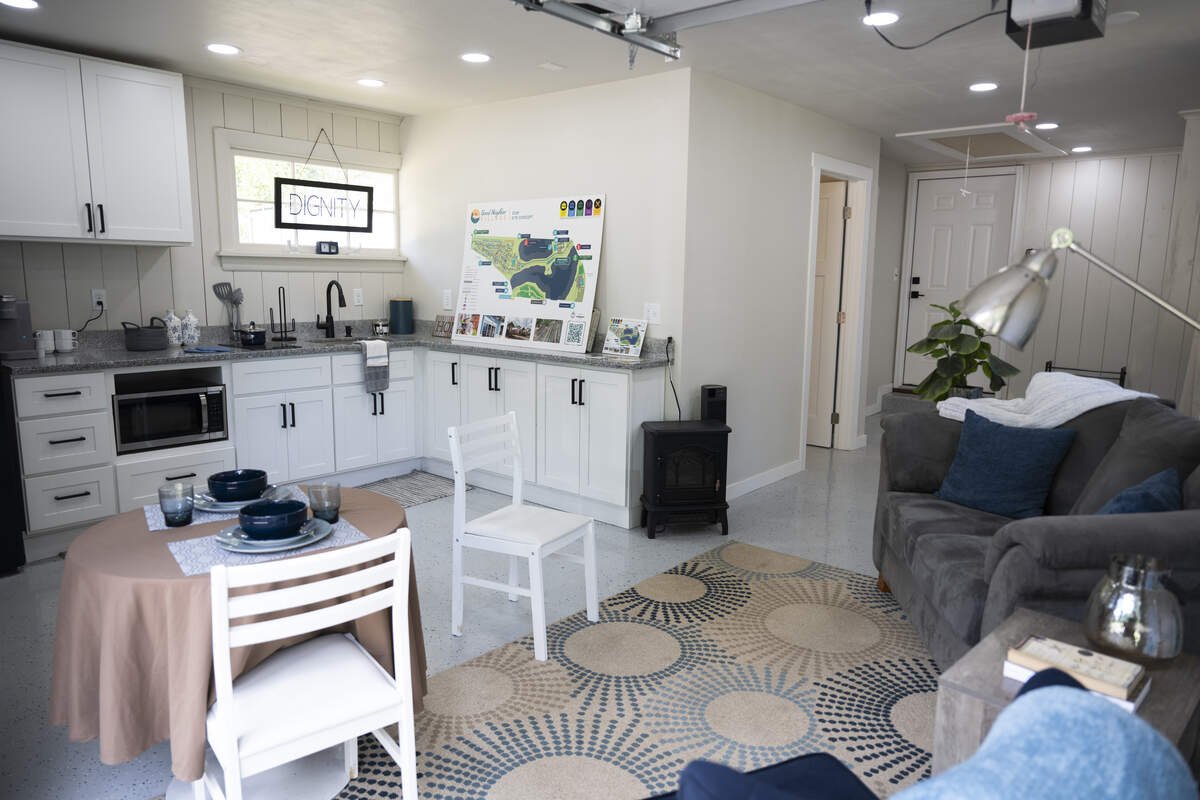
Residents will pay rent, work, follow the law
The “Good Neighbor Village” is modeled after a similar village in Austin, Texas. The goal is to provide permanent, stable housing to people who have experienced homelessness for more than a year and have a disability, which might be physical or include substance-use disorder, Paulson said.
Residents will each have their own furnished 300- to 400-square-foot cottage with a kitchen, bedroom, living room, front porch and bathroom (unlike a traditional tiny home, which is often one room 100 square feet or less). They will share common areas, laundry facilities, gardens, a store, an art building and shower buildings. Pets are allowed, Paulson said.
At the “Good Neighbor Village” residents would be required to pay rent ($400-$500/month) and would be paid to work (perhaps in the garden, giving tours, at the market, driving others in a golf cart to appointments on site, etc.), Paulson said. There will be staff on site providing case management, behavioral health and recovery support, including Alcoholics Anonymous, Paulson said. Residents will also have access to dental support, therapy, employment counseling, activities and hospice care, he said.
All county laws apply, so drug use and illegal activity will not be tolerated, Paulson said. Tenants will be vetted and interviewed, and they will sign leases with expectations laid out about acceptable conduct, he said. Those who do not follow that will be asked to leave, Paulson said. Although the Tacoma Rescue Mission is a faith-based organization and there will be a chapel on site, residents are not required to participate, he said.
The village got some heat from neighbors concerned about pollution of a nearby wetland. Paulson said the wetlands will be preserved and fenced off. Tacoma Rescue Mission is putting in a new sewer system, so there will be no septic systems, he said.
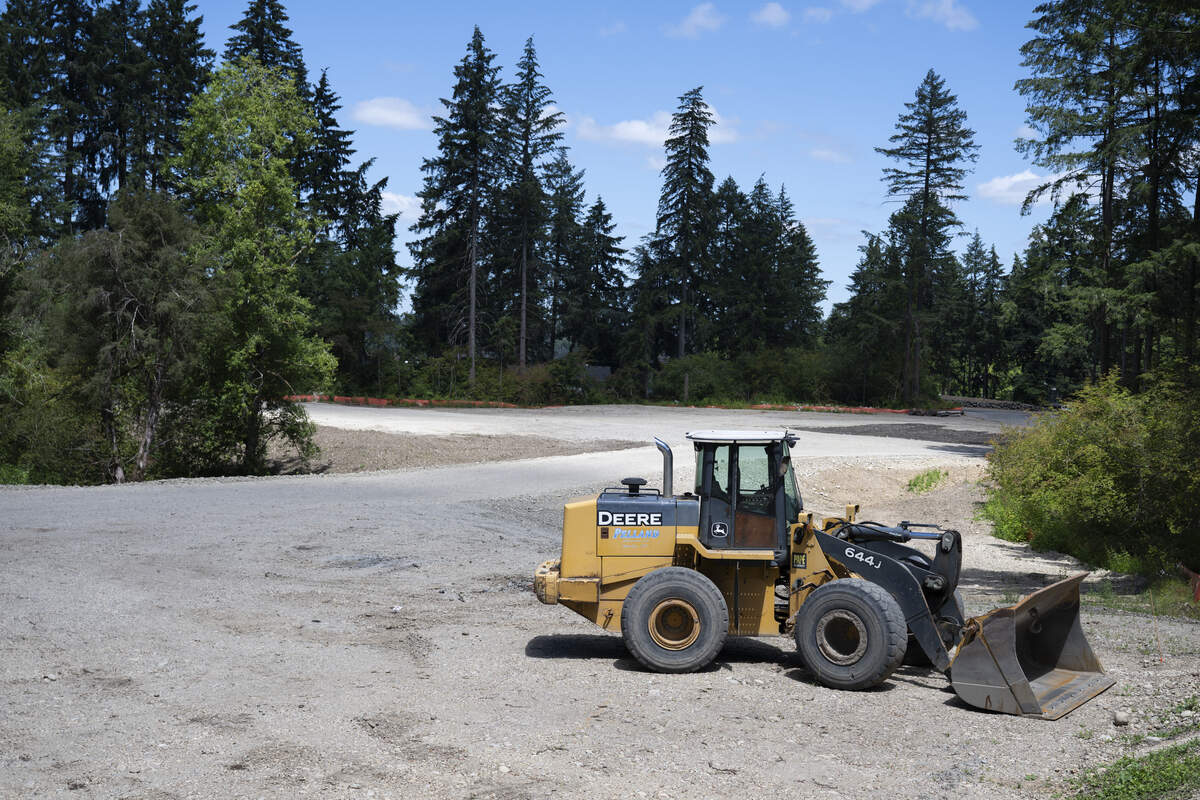
There will be security 24/7 on site and a locked gate at the entrance, Paulson said. Residents are allowed to leave whenever they want, and there will be a bus stop. Only vehicles belonging to residents are allowed on site.
The goal is for the village to permanently house chronically homeless people in Pierce County forever, Paulson said. Many temporary shelters in town only allow people to stay up to 90 days.
It can be hard to find a job and housing if someone is older and has disabilities, like substance-use disorder or a mental-health disorder, Paulson said. It can be even harder if someone’s had a 10-15 year gap in their rental history, he said.
“The people that we’re talking about serving in this community are the people that [Tacoma Housing Authority] aren’t able to help, either,” Paulson said. “We’re not able to help them in our shelter. We just see them come through year after year after year. This is a group with unmet needs.”
Working at the village gives people dignity, ownership of their community and skin in the game, important skills that will take time to build, Paulson said. He knows it won’t be easy, given the traumas this community has been through and the big adjustment from living on the street. Some people will have mental-health breakdowns and need time to adjust, Paulson said. But having supportive staff on site and building a safe place allows people to heal, he said.
“Austin’s been doing it for over 10 years now,” Paulson said. In that time, substance use on site “one to two years in, has dropped significantly,” he said.
“It’s not utopia,” project manager Stephen Stanford added. “It’s not like there’s no issues at all. Of course, there’s going to be issues, and that’s what we’re in it for. We’re not going to turn away because there’s going to be hardships.”
Where is the funding coming from?
The first phase of the village (construction of 50 homes) will cost $50 million, Paulson said. The organization has raised $33 million thus far, which includes about $22.6 million in one-time American Rescue Plan Act dollars to purchase and develop the site. Private donors make up $9.4 million, Paulson said Thursday.
Tenant rent will support some of the daily operations of the village, but not all, he said. Tacoma Rescue Mission is accepting donations on its website and will continue to build homes as funding is raised, Paulson said.
Cost projections for the whole project four years ago were reported around $62 million, but the most recent prediction is $80 million, Paulson said Wednesday.
When asked how the Tacoma Rescue Mission was going to raise the rest of that money, Paulson said he has spoken with large donors who want to see proof of concept and success in Phase 1 before investing in Phase 2. Paulson said Tacoma Rescue Mission is not looking to receive federal funding for the project, given the volatility of cancelled grants as of late. The organization also doesn’t want to be beholden to certain terms or conditions, given the federal government’s recent guidance pivoting away from a housing-first approach the Trump administration has said is ineffective, he said.
“[We’re] talking about making an impact in over 25% of our chronically homeless [population],” Paulson said. “I get calls now from Salem, Oregon, from Des Moines, Iowa, from Spokane, from other places where people are calling, saying, ‘Hey, how are you doing this? What’s going on? Could we talk to you about it, because … if you can do it in Washington, we might be able to do it here.’ So, people are absolutely watching closely. And for Phase 2, the donors are watching us closely for that same reason.”