It’s free to visit this new Pierce County marine life center. They have a red octopus
Changes are coming to a building in downtown Gig Harbor, and sea creatures are part of the plan.
The City Council voted Nov. 13 to extend its lease with Harbor WildWatch at the Skansie Interpretive Center, which is located at 3211 Harborview Dr.
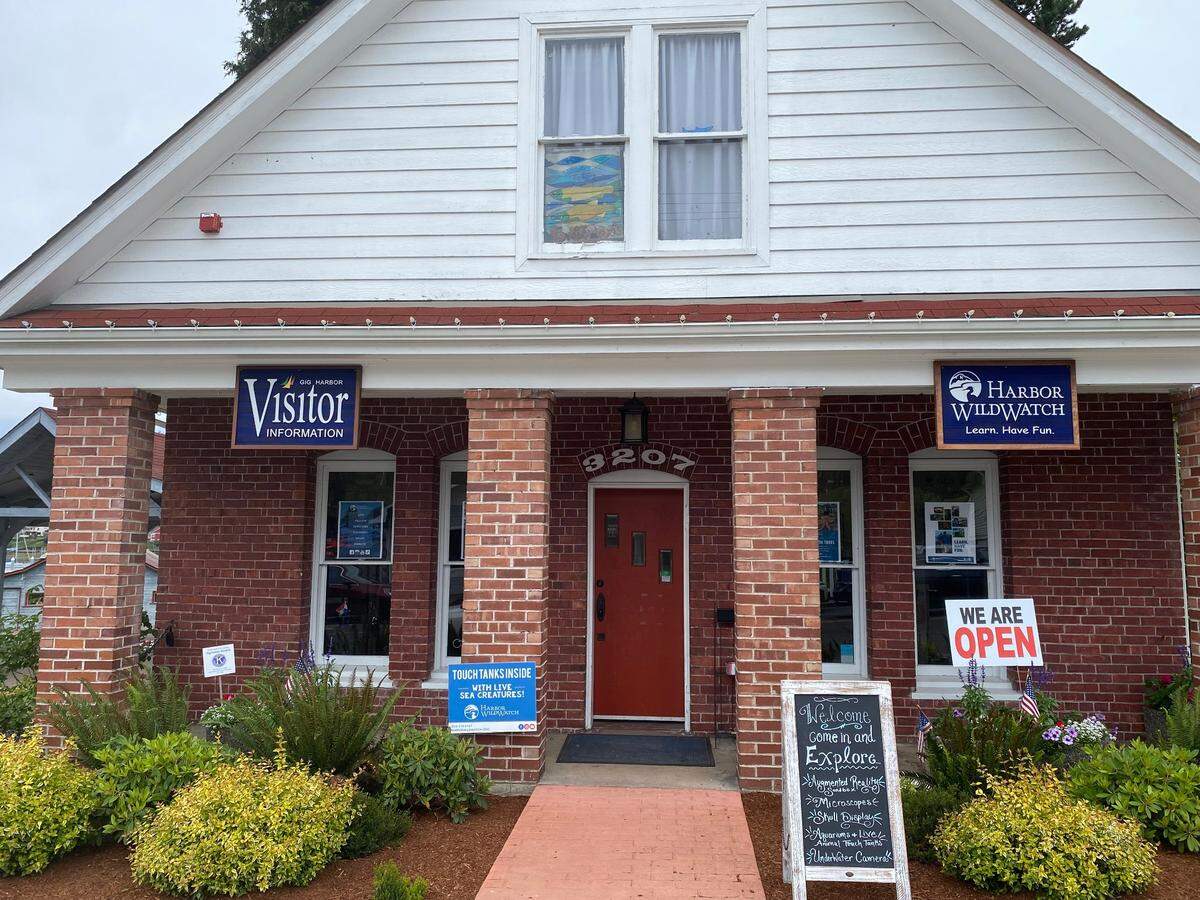
Harbor WildWatch is a nonprofit that provides environmental education to the community. They have been inside the Skansie Interpretive Center since 2014 and have signed five-year lease agreements with the city up until now.
In the last 10 years they’ve had over 66,000 people walk through their doors, Lindsey Stover, the executive director at Harbor WildWatch told the Gateway Thursday, Jan. 25.
The building used to be the Skansie family’s home. The city purchased it, along with the family’s netshed and the rest of the property, in 2002.
The upstairs, which was once four bedrooms, is used as office space for Harbor WildWatch.
The main level has traveling exhibits that rotate. It also has touch tanks and other things. The front area has been reserved for visitor information, per requirements of their lease with the city, until now.
“The city, when they operated their tourism department, would have volunteers come down and help operate the visitor information area for people who came in to ask questions about where to go to eat, shop, ask for directions and maps,” Stover said.
After the height of the COVID-19 pandemic, the city stopped operating its tourism department. Now, all visitor information can be found at the city’s official visitor center, run by the Chamber of Commerce at 3125 Judson St.
The new lease agreement allows Harbor WildWatch to stay inside the Skansie Interpretive Center, without the requirement to dedicate space for visitor information. All that visitor information has been moved to the city’s visitor center.
Harbor WildWatch will also now operate on a 20-year lease with the city instead of five, Stover said.
“We’re super excited about the 20-year lease,” Stover said. “We want to stay in this community and we want to continue to be a staple here for the next 20 years.”
Harbor WildWatch will take over the whole building and reopen as the Harbor WildWatch Marine Life Center in February, Stover said.
More space for new sea creatures, red octopus
Soon, they’ll have tanks with about 1,000 gallons of water, total, to fill with sea creatures. The new center will have six times the tank space that it used to have.
They plan to have “crabs, sea cucumbers, urchins, fish, and even octopuses,” a Jan. 18 Harbor WildWatch news release said.
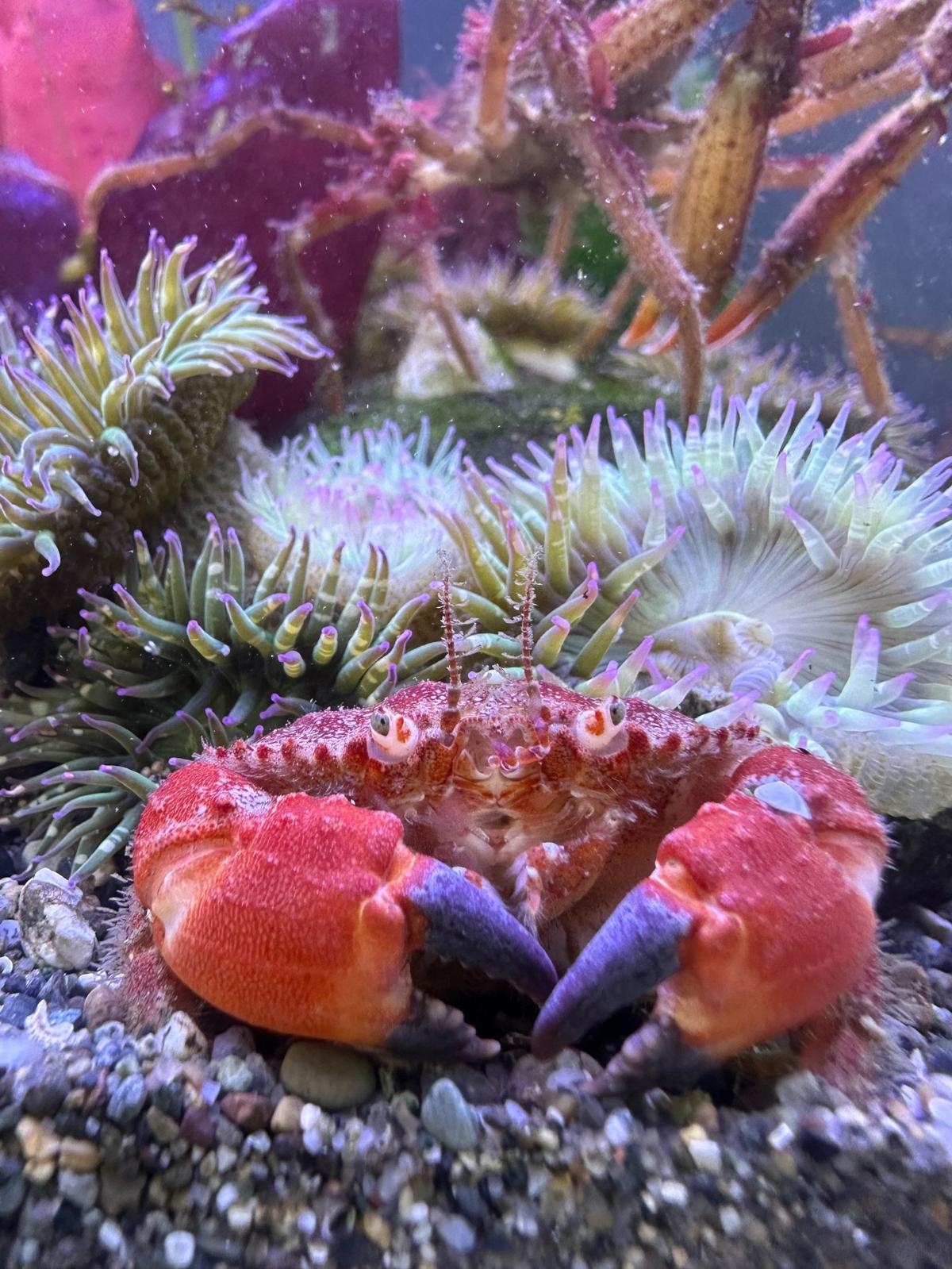
Since November, Harbor WildWatch has been working to get things ready behind the scenes. Work to create this new small aquarium facility will take place in phases, Stover said.
Phase one will finish sometime in February. It includes installing a new fish tank and a new exhibit. The facility is closed while they do that work. They will open back up to the public once this phase is finished, Stover said. They will also observe new hours. They will be open 11 a.m. to 6 p.m. Wednesday through Saturday this winter.
They have already added a new 300-gallon tank where the visitor information used to be, Stover said. That is bigger than any of the tanks they’ve had before.
Prior they only had two 30-gallon aquarium tanks filled with crab, fish, sculpin and anemones. They also had one 100-gallon touch tank with sea stars, sea urchins, shrimp, tube worms, hermit crabs and more anemones.
The new 300-gallon tank is not filled with water or new fish just yet, as they are waiting for a final inspection, Stover said.
“It’s absolutely huge, because it’s going to be our fish tank,” Stover said. “The fish are going to have so much more room.”
It will be large enough that visitors will be able to see the fish school and congregate, she said.
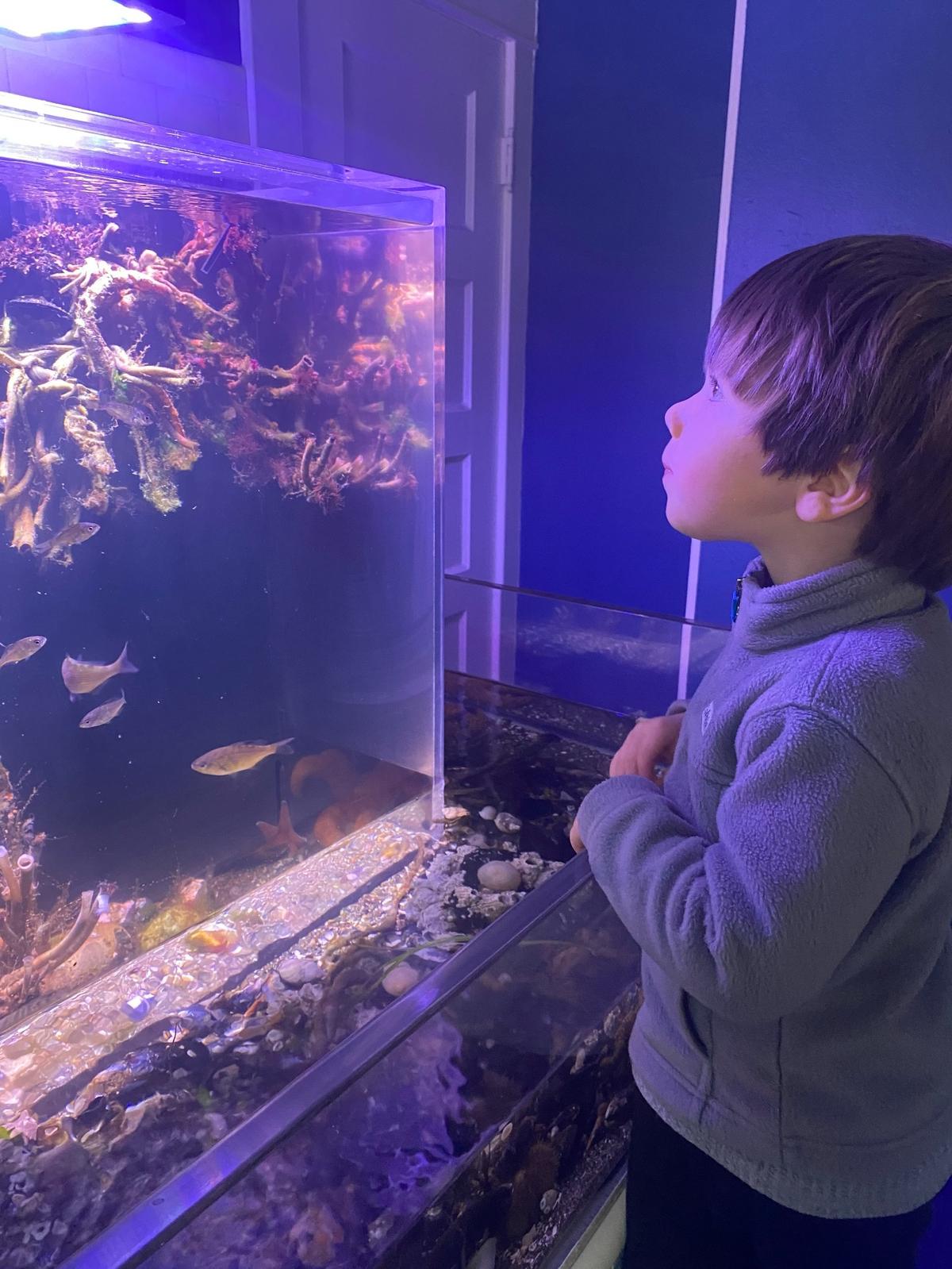
In the past they’ve had traveling exhibits that showcase information about the sharks and whales of the Salish Sea.
The new traveling exhibit that will arrive at the new marine life center in February will be centered around bull kelp. The exhibit was designed by the Port Townsend Marine Science Center, Stover said.
Harbor WildWatch shares exhibits and other resources with Port Townsend and other small marine centers on the Salish Sea, across Washington, and in North Canada.
“A lot of people don’t know about the really important bull kelp habitat, because it’s not something that you can see from the shore or really even from a boat,” Stover said. “You kind of need to be underwater in order to see how amazing bull kelp is.”
The kelp exhibit will be the first thing visitors see when they walk in. It will be there until May, Stover said.
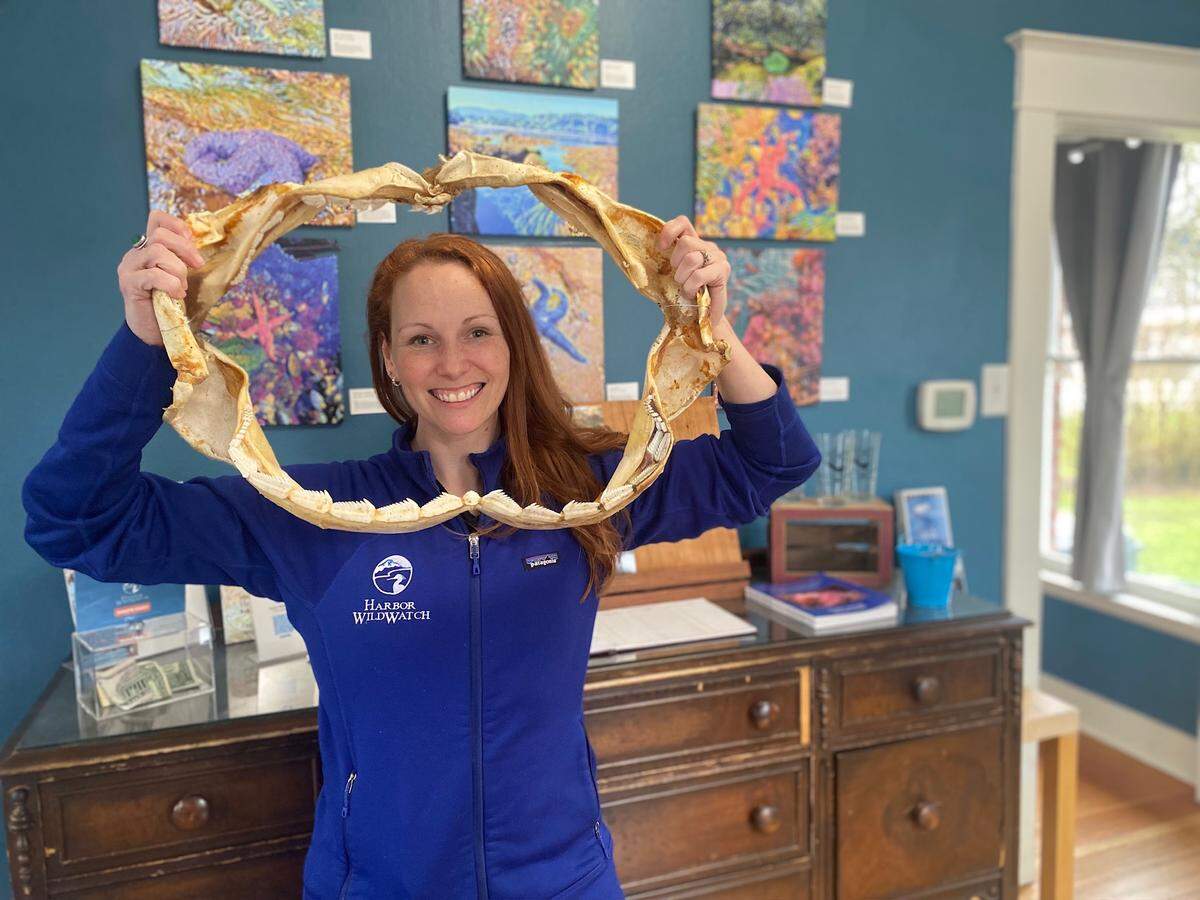
Phase two of the new marine life center will take place in spring. It will add some additional tanks — even one for a red octopus.
They will also add an arm onto their current touch tank, which is one of the most popular areas of the building, she said.
Phase three will focus on the building’s exterior appearance.
They’ll add an aquatic mural by a local artist, as well as additional exterior signage so residents know what the building is.
“We want people to drive by and know exactly who we are and what we do,” Stover said. “They can come and learn from local experts.”
Some people used to come in for visitor information without knowing the building also had sea life inside, Stover added.
Harbor WildWatch hopes to have phase three done in time for the summer and for the Gig Harbor Maritime Festival in June.
They’ll announce a date for the grand reopening of the Harbor WildWatch Marine Life Center on their website and social media accounts. Residents can also sign up for their newsletter at harborwildwatch.org.
Stover said they are looking for additional volunteers. Training will be provided to those interested. Those who want to know more can complete this volunteer inquiry form or contact Stena@harborwildwatch.org.
New creatures from local waters
All of the new creatures coming to the marine center are from local waters, Stover said.
Harbor WildWatch has a scientific collection permit from the state of Washington.
“We go out and collect at various beaches, but most of them right here in the Gig Harbor area,” Stover said.
Some of their go-to places are right off of Jerisich Dock in Gig Harbor, the Purdy Sandspit, and Sunrise Beach Park, she said.
Contributing to inviting people into downtown Gig Harbor
“Our mission is to inspire stewardship of the Salish Sea by providing equitable learning opportunities to the community and beyond,” Stover said. “The operation of this facility, along with our education and monitoring activities, will help us better achieve that mission.”
They also hope the new “family friendly facility,” can help bring more traffic to downtown Gig Harbor, and to its businesses and restaurants, especially during wintertime, she said.
Gig Harbor has two low tides and two high tides every day, Stover said.
“Low tides are great for going out on the beach and looking at wildlife,” she said. “But, during wintertime the low tides are in the middle of the night. So, it’s nice to have a place where people can come and see animals during the day.”
Admission is always free to get inside the facility, although they welcome donations. Harbor WildWatch is a 501 (c)(3) nonprofit that “very much relies on grants and donations from the community,” Stover said.
“We never want a fee to be a barrier to a child or family to get to learn about our local environment,” Stover said.
She added that being a standalone facility will hopefully increase funding opportunities.
“It’s been really difficult to get funding,” Stover said. “Marine organizations didn’t necessarily want to fund a visitor center, and places that would fund a visitor center didn’t necessarily want to fund a marine center.”
New winter programs
Harbor WildWatch will continue to offer all their normal programs. Those include guided tours just outside the marine center, beach walks during the summer, salmon tours in the fall, and Pier into the Night — a virtual scuba experience in the wintertime where they set up a video screen at various local docks for viewers.
They will also keep offering participatory science activities where they “train residents to collect meaningful scientific data at local beaches, creeks, and estuaries to learn about and help protect the environment,” Stover said.
A new partnership with the Gig Harbor Chamber of Commerce will bring new winter ecotourism programs.
In February, Harbor WildWatch will do a special Pier into the Night event on the waterfront at the new 7 Seas Brewing location.
They will also have dock walking tours on Fridays, starting from the marine life facility and ending at the Old Ferry Landing at 2700 Harborview Dr.
“It will be a quick 30-minute walk with either a biologist or a volunteer to learn about what’s right underneath the dock,” Stover said. “They might pull a sea star, point out certain fish, you might even see a harbor seal.”
On Sundays, Harbor WildWatch will feature feeding time, where people can come in and learn how they feed and take care of animals in the aquarium.
The Chamber of Commerce partnership also landed a digital advertisement inside the Seattle-Tacoma International Airport that showcases their winter ecotourism activities.
This story was originally published January 29, 2024 at 5:00 AM.