New turf football field with lights coming to Pierce County school district
AI-generated summary reviewed by our newsroom.
- Gig Harbor High School to receive new turf football field, tentatively in 2026
- Peninsula School District to assess drainage issues at two high school baseball fields.
- District to upgrade decades-old auditorium lighting and control system at Peninsula High.
Soon, Roy Anderson Field won’t be the Peninsula School District’s only high school turf football field.
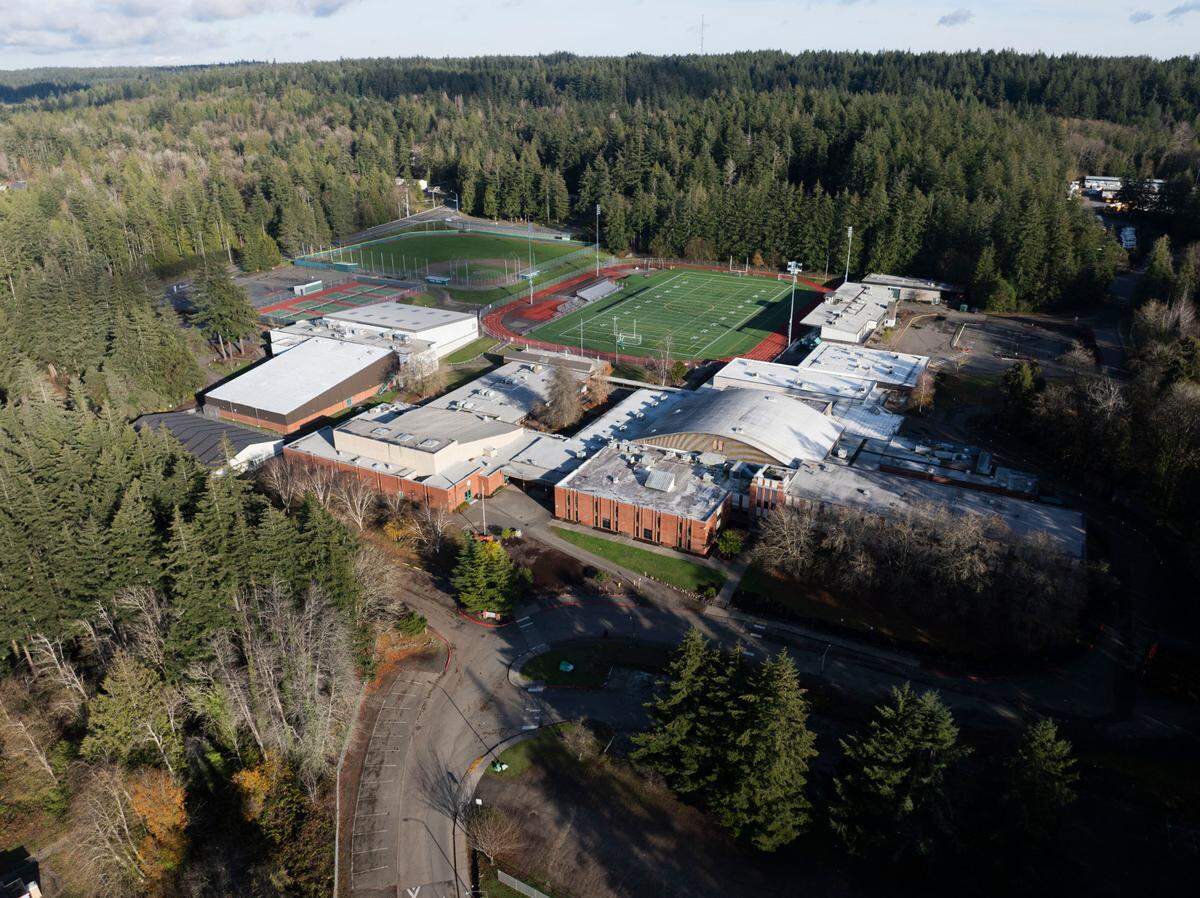
The Gig Harbor Tides will get their own lit turf field if all goes according to schedule next year, helping plug another hole in the supply of athletic fields playable in fair and rainy weather in the Gig Harbor and Key Peninsula areas.
The district also plans to address several other needs at its facilities and campuses, according to a presentation from Director of Facilities Patrick Gillespie at the school board meeting on May 20. Those issues include poor drainage at the district’s two high school baseball fields and an outdated auditorium lighting system at Peninsula High School.
“ ... we’re really excited about this project and what it would bring,” Gillespie said about Gig Harbor’s future turf field at the meeting. “We hear all the time that we need more fields for our student athletes.”

Lights, scoreboard and artificial turf for the Gig Harbor Tides
The district plans to install field lighting, re-spray the track surfacing, add a scoreboard and flag pole, install 8-foot fencing and convert the grass field to synthetic turf at Gig Harbor High School’s lower field, Gillespie said at the meeting.
The field will accommodate football and soccer and have reference marks for boys and girls lacrosse, discus and javelin, he said. The district is working with consultant D.A. Hogan. The company has worked on turf fields throughout the Puget Sound area, including at Mount Tahoma High School and Stadium High School, and Gig Harbor High School’s upper field, according to the D.A. Hogan website.
The district is working on design concepts for Gig Harbor’s turf football field and plans to put the project out to bid in the spring of next year. If all goes well, construction should begin around April or May 2026 and run through the end of September that year, Gillespie told the board.
Since the project is still in its early stages, there isn’t an official timeline or cost estimate yet, according to district spokesperson Danielle Chastaine. The district will first gather input from its athletic teams and coaches about the field’s condition and specific needs, then will begin requesting proposals from contractors and determining cost projections, she wrote in an email.
She added that funding for the project will come from the district’s capital projects budget, which draws from multiple sources including levies, bonds, impact fees and state match funding grants. The money in this fund also collects interest over time. No additional levy or bond dollars will be necessary to fund the field project, she wrote.
Plan to assess dirt at high school baseball fields
The district will be working with a consultant to assess the infield dirt at both the Gig Harbor High School and Peninsula High School baseball fields, and the fastpitch softball field at Peninsula, Gillespie said at the meeting.
The assessment “could lead to removing existing infield dirt and replacing (it) with new,” he said.
It’s a step toward addressing long-term drainage issues at the baseball fields, but the announcement didn’t completely satisfy the Gig Harbor Peninsula Youth Sports Coalition, which posted a response to the meeting on Facebook on May 22.
“Unfortunately, and surprisingly, there was no mention of converting any of the dirt infields to artificial turf, which could significantly improve year-round usability and safety,” the post said.

Michael Perrow, a founding member of the coalition, told The News Tribune in a phone call that he would like to see more opportunities for public input in the district’s decision-making process related to its athletic fields, such as via questionnaires and public open houses.
Kevin Owens, a former coach for the Peninsula High School baseball team from 2016 to 2018, told The News Tribune in a phone call that he does remember the field at Peninsula getting “mushy.” He sees drainage as a problem across the state because of the rainy weather, he said.
“Other than getting turf, what other solution do you have?” Owens said.
Drainage issues at the two fields go back decades, former players and a former coach told The News Tribune. Gig Harbor High School’s field has had particular issues because of its proximity to wetlands. A few days of rain can make the field unplayable, causing players to miss out on outdoor playing time, The News Tribune reported. Other school and parks districts in the Pacific Northwest have converted their baseball fields to artificial turf in recent years, including at PenMet Parks’ Sehmel Homestead Park and schools in Skagit and Clark counties.
School board member David Olson asked Gillespie at the board meeting if it might be possible to raise the Gig Harbor High School baseball field, which he described as “the swamp,” so that the players aren’t “running around in a bunch of mud during the games.”
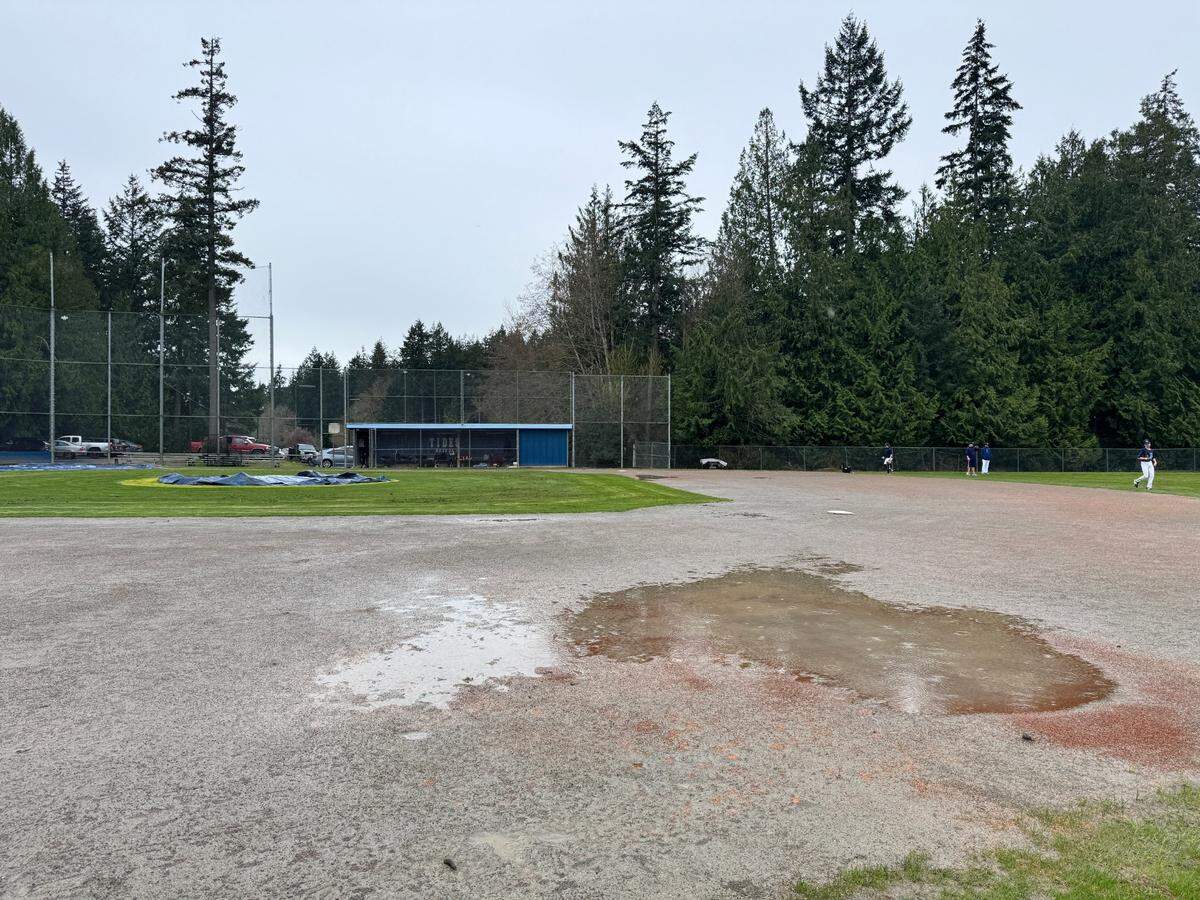
That option “would be a pretty massive undertaking,” Gillespie said. “... there would be a lot of work and costs associated with that.”
Gillespie added in response to a question about the purpose of replacing the dirt that the typical options for dirt are sand, clay, or a combination, and certain soil types are better-suited to certain kinds of weather. Sand is better to help the field drain in the winter months, but turns the field into a “sand pit” in the summer, he said. Clay is better for the summer but worse in the winter, “so you tend to go with something in between,” he continued.
He said that he’s talked to people involved in working on other fields including at Seattle’s T-Mobile Park — a grass field with a specially designed drainage system including “layers of drainage pipe, pea gravel, sand, and grass,” according to the Major League Baseball website — and has gotten conflicting opinions on what works best.
The consultant will be able to share insights into how the district can address its issues with the water-logged fields, according to Gillespie.
District spokesperson Danielle Chastaine did not immediately respond when asked by The News Tribune about the cost of working with the consultant.
The district also plans to replace the aging outfield fence at Gig Harbor High School’s baseball field and look into adding more storage space there this summer, he said.
District to replace aging auditorium lighting system
Another aging system will also get an upgrade: Peninsula High School’s electrical/dimmer panel system and associated lighting for the auditorium. The estimated cost is $150,000, according to Director of Career and Technical Education Kelsey Parke.
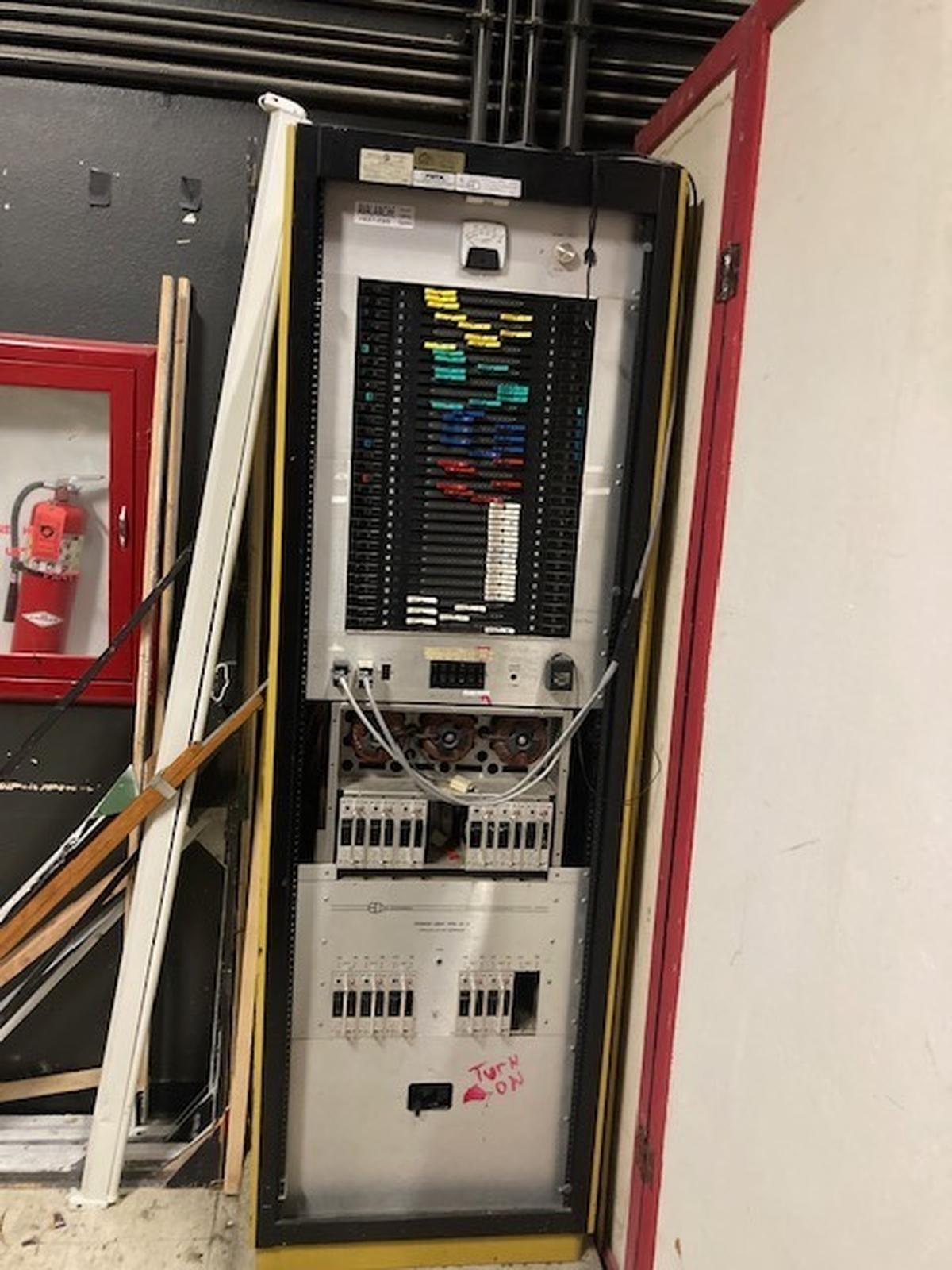
The school’s electrical/dimmer panel system, which controls lighting in the auditorium and is also known as the “matrix,” is over 50 years old, Parke wrote in an email on May 28. It’s used by students in the school’s drama program to control lighting during theater productions.
“While it was well known that our auditorium lighting was outdated, stepping into my role as the new director provided a fresh perspective on our fiscal responsibility,” Parke wrote. “We realized that the amount being spent on ASB lighting rentals was nearly equal to the ticket revenue brought in from each production.”
A student representative at the board meeting who has participated in school drama productions expressed enthusiasm for the new system, saying that the company that made the old system doesn’t exist anymore and that there aren’t any manuals available online.
The district will begin the process of replacing the panel system in July, and will upgrade the lighting systems before September, according to Parke. The district will provide training to students and staff to use the new equipment, and students will also be able to access it through courses like “Theater Tech: Lights and Sound” as they “gain hands-on experience designing lighting sequences for upcoming productions,” she wrote.
This story was originally published June 1, 2025 at 5:00 AM.