In wake of Ellis case, changes are coming to Tacoma police contract. Here’s what we know
Mayor Victoria Woodards promised Tuesday that Tacoma would build a better future for all of its people and offered an apology to the family of Manuel Ellis, who died in police custody in 2020 saying, “I can’t breathe.”
The mayor’s remarks came at the end of a City Council meeting which passed significant changes to the city’s collective bargaining agreement with the Tacoma police union and which approved a letter of support for state Senate bill 6009, which would ban officers from hog-tying someone by connecting a leg hobble to handcuffs or other restraints. Tacoma has banned the practice, but some law enforcement agencies continue to use it.
Four council members and Woodards used the end of the meeting to address the Tacoma Police Department’s Internal Affairs investigation clearing officers Matthew Collins, Christopher Burbank and Timothy Rankine of most department violations the night Ellis died in their custody. All three officers agreed to resign Tuesday in exchange for $500,000 each.
“Manuel Ellis’ life has been lost, and I promise you we are not going backward,” Woodards said. “Just yesterday many of us reflected on Dr. King’s dream. This is Tacoma’s time to rise to build a city that truly reflects the ideas of equality and justice that Dr. King so passionately advocated for.”
Woodards said she was disappointed that the officers’ lawyers had spoken to the news media before the city could share comprehensive information with the public. While the administrative process might be over, Woordards said, she stressed that it is not the end of the council’s 2020 commitment to transforming all of its institutions that have been affected by systemic racism.
“For those who have called for the firing of the officers, rest assured that the three former officers will not return to service on the streets of Tacoma,” she said.
The city’s new collective bargaining agreement with Tacoma Police Union Local 6 includes a change that stops officers charged with certain crimes from getting paid on leave while the criminal process plays out. With the new agreement, if an officer is charged with a crime that could lead to the revocation of their officer certification, such as a felony or gross misdemeanor domestic-violence offense, the police chief would be required to place the officer on investigative suspension without pay.
Michelle Woodrow, the city’s public safety and labor negotiator, said it was a groundbreaking piece of the collective bargaining agreement. While the criminal process was adjudicated in Ellis’ case, all three officers charged in his death remained on paid leave, making more than $1 million by the time trial started in September.
A jury acquitted Collins, Burbank and Rankine of murder or manslaughter charges Dec. 21 after a 10-week trial.
Ellis, 33, died the night of March 3, 2020, after encountering Collins and Burbank in Tacoma’s South End. He was beaten, shocked with a Taser three times, pressed to the ground on his stomach and had all of his limbs tied behind his back in a hogtie position while officers knelt or sat on him. Rankine responded as backup, reportedly putting all of his weight on Ellis, who repeatedly said he could not breathe. The former Pierce County medical examiner found Ellis died of oxygen deprivation from physical restraint.
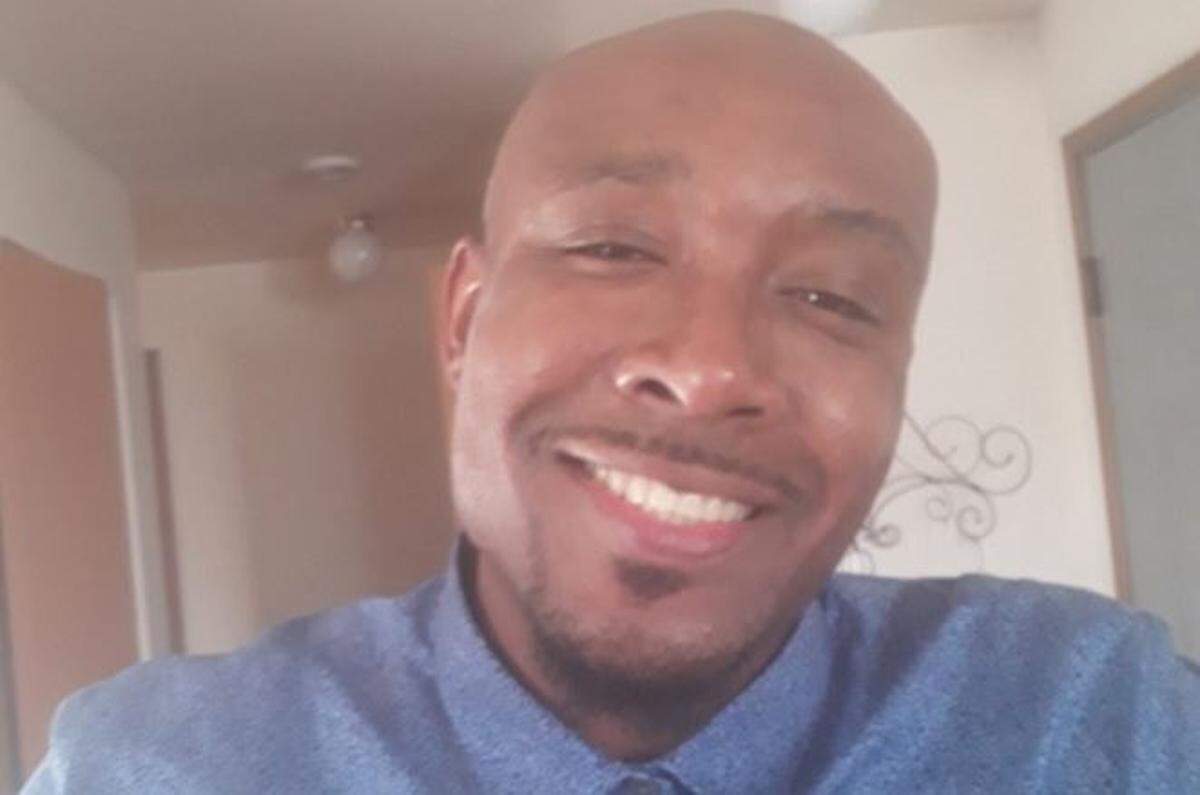
Defense attorneys for the officers argued none of the officers’ actions had killed Ellis, and that they had to continue to restrain him even after he said he could not breathe because he continued to resist arrest.
While the officers’ criminal case dragged on for years, the Tacoma Police Department was unable to move forward with its internal affairs investigation. Now, the city’s public safety and labor negotiator said, the new collective bargaining agreement means the police chief has the option to interview officers charged with a crime, complete an investigation and decide on discipline before the criminal case is concluded.
The new collective bargaining agreement with the police union is effective from Jan. 1, 2024 to Dec. 31, 2026. It was passed with no votes against it. Council Member Jamika Scott appeared to be momentarily absent from her seat while the vote was taken. Council Member Kristina Walker was also absent.
Speaking to some of the questions put forth during the public comment period, Council Member Kiara Daniels asked Woodrow why the council had bargained for investigative suspensions rather than the authority to fire officers.
Woodrow said Tacoma police officers have a right to due process under the U.S. Constitution. She said other agencies around the country have moved quickly to terminate officers involved in an in-custody death, but often those officers end up coming back to work with big settlements because the agency did not fulfill their obligation to provide their employees due process. Woodards called for four officers involved in Ellis death to be fired in 2020. After Collins, Burbank and Rankine’s trial, she said “my heart was breaking” when she first made that statement.
Monèt Carter-Mixon, Ellis’ sister, spoke on the collective bargaining agreement during public comment, telling the council that it was a shame that they felt it was OK to pay cops millions of dollars plus years of salary when there are people in Tacoma who still can’t access affordable housing. She said the FBI needed to come in to conduct further investigation, specifically into city manager Elizabeth Pauli.
“You guys cannot continue to let killer cops get away with beating people senselessly in the middle of the street and act like they didn’t do anything wrong,” Carter-Mixon said.
Woodards later said she had full confidence in Pauli and Police Chief Avery Moore. She said she believes Tacoma is fortunate to have leaders who not only understand the need to identify and destroy “the deep running roots of racism” but are taking actions to that end.
Moore understands effective policing must be rooted in care and compassion, Woodards said, and she credited him with working with the council, the Community Police Advisory Committee and the police union to overhaul the policies in place when Ellis died in 2020, which Woodards called out of date and inequitable.
Council Member Scott said she thought it was critical for the council to reflect on what it means that the city’s 2020 policies didn’t provide any accountability, and she said they needed to understand what systemic failures led to Ellis and the officers meeting at 96th Street and Ainsworth Avenue the night of his death. Scott said the full story is still not known.
Scott briefly recounted her own experience with calling Tacoma police, stating that an officer who responded to her home around 2012 treated her as if she’d done something wrong. It took her years to heal without an apology from the officer, she said, and if there weren’t people in her community who saw her value beyond her trauma, she said, it could have been her who ended up dead at 96th and Ainsworth. Scott said she has struggled with some of the same issues Ellis did, such as her mental health and substance use.
“We have to get people the type of help they need so that they don’t get to these points,” Scott said. “So that we reach for understanding before we reach for weapons, and we reach for fear.”
Woodards ended the meeting by apologizing to Ellis’ sister, Carter-Mixon, who was seated in the council chambers. The mayor said it was the council’s responsibility to make sure that a person never again dies in Tacoma the same way Ellis did.
“Monèt, we owe you and your entire family an apology for the pain that you all have suffered,” Woodards said. “I hope that what you heard tonight is a commitment from all of us to do better and to be better. And while that doesn’t remove what you’ve felt and what you’ve gone through and what you’ll continue to go through, I just want you to know that the apology is sincere, and our commitment to the work is real.”
This story was originally published January 17, 2024 at 10:31 AM.