Tacoma cops acquitted in death of Manuel Ellis will get $500K each to resign, city says
Three Tacoma police officers acquitted of murder or manslaughter charges in the death of Manuel Ellis will resign from the Police Department, Chief Avery Moore announced Tuesday.
An Internal Affairs investigation conducted by the Tacoma Police Department found that Matthew Collins, Christopher Burbank and Timothy Rankine largely did not violate department policy the night Ellis died in their custody.
Collins violated a policy on courtesy during the deadly encounter in March 2020, according to a statement issued by Moore, and he was given a written reprimand. It was the only complaint against the officers that the investigation found to be sustained. Collins told Ellis, “Shut the [expletive] up, man,” after Ellis, 33, pleaded with the officer and his partner, Christopher Burbank, that he couldn’t breathe. Ellis died of oxygen deprivation caused by physical restraint, Pierce County’s former medical examiner found.
The City of Tacoma has agreed to pay each officer $500,000 for voluntarily separating from city employment, according to copies of their voluntary resignation agreements, which the city shared publicly. Payments will be made “as soon as practicable” once the officers submit their resignation letters. They might also receive standard employment separation payouts as laid out in Tacoma Municipal Code and the police union’s collective bargaining agreement.
Collins, Burbank and Timothy Rankine had remained employed by TPD on paid leave since they were charged in May 2021.
“While acknowledging our incomplete achievement of reform goals in the past decade, the last two years have witnessed substantial efforts to revolutionize the Tacoma Police Department, placing a strong emphasis on fostering inclusivity and pride among all stakeholders,” Moore said in a written statement. “These strides are a result of a collective endeavor.”
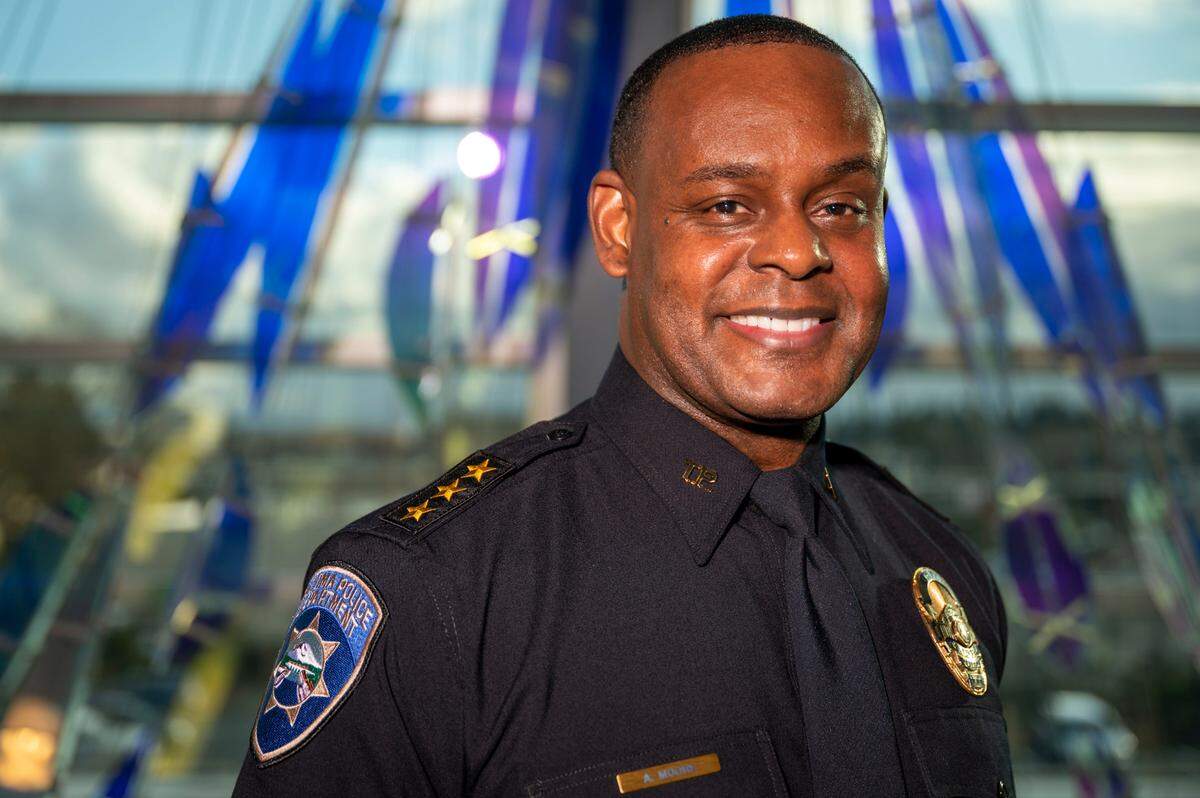
The officers were cleared of wrongdoing based on policies that were in place when Ellis died March 3, 2020, Moore said. He said TPD’s use-of-force policy “failed” to serve the best interests of the department or the community, but it guided him in his decision announced Tuesday because it was the policy at the time.
At least two of TPD’s policies changed in the wake of Ellis’ death, including an explicit ban on neck restraints and the creation of a policy on the use of spit hoods. Moore said a comprehensive overhaul of department policy is underway with support from Lexipol and the Community’s Police Advisory Committee. Lexipol is a Texas-based company that creates policies for thousands of police departments.
“I acknowledge the detrimental impact of policing on Black, Indigenous, and People of Color (BIPOC) communities, extending both a personal and collective apology,” Moore said. “My awareness of the historical context of policing includes acts of oppression, abuse, and dehumanization, all carried out under the color of law.”
The findings of the Internal Affairs investigation come nearly a month after a jury acquitted Collins and Burbank of murder and manslaughter charges in Ellis’ death. Rankine was found not guilty of manslaughter.
After the verdict came down Dec. 21, the police department’s internal affairs section resumed its investigation, which had been on pause while the criminal case was settled.
James Bible, an attorney for Ellis’ family, said Tuesday evening that Ellis’ sister and mother were frustrated by the outcome because a voluntary resignation means the officers will keep their officer certifications. Bible said Tacoma could be exporting its “problem officers” to another department anywhere in the country.
“I think that the reality is that they know that they killed Manny, that they might think they got away with it, but I think that also the reality is that those sort of things creep up on you mentally and emotionally,” Bible said. “And we’re not going to let them forget it.”
Bible said that to many, the officers’ payouts are essentially rewarding the officers for horrific acts contrary to the U.S. Constitution and basic humanity. He said the payments illustrate exactly why Ellis’ family has asked the Department of Justice to investigate, and why they’re asking for a consent decree for the city. A consent decree is a court order that lays out improvements that must be made to an institution, such as a police department, typically overseen by an independent monitor and a federal judge who has the authority to determine when the agreed goals have been met.
Speaking to the outcome of the police department’s internal affairs investigation, Bible said characterizing Collins’ telling Ellis to “shut the [expletive] up,” as a courtesy violation when Ellis said he couldn’t breathe was spitting in the face of the Black community.
“Clearly the expectation for law enforcement and decent human beings is if you’re with someone who says ‘I can’t breathe sir,’ you don’t further put pressure on their neck, you don’t continue to tase and beat them,” Bible said. “You do whatever you can to actually help them.”
A federal review of the officers’ actions is ongoing by the office of Tessa Gorman, U.S. Attorney for Western Washington. Gorman’s office announced Friday that it would independently review the state’s criminal case against Collins, Burbank and Rankine for any violations of federal criminal statutes.
The Tacoma Action Collective, which aims to eliminate “systemic oppression and systemic violence” and was co-founded by Tacoma City Council member Jamika Scott, wrote on X Tuesday that Tacoma and Pierce County failed Ellis and his family the night he died, and they continue to fail them and the community today.
“The system that we’re supposed to trust in Tacoma is so broken that you can beat, tase, hog-tie, and deprive a Black man of oxygen until he dies and only be reprimanded for not being more respectful about killing him,” one post read.
City Manager Elizabeth Pauli said all three officers have entered into voluntary resignation agreements. She said she has confidence in Moore’s ability to create a culture in the police department that relies on community relationships, accountability and transparency.
“These agreements support a responsible, constructive path forward for our community and the Tacoma Police Department,” Pauli said. “With faith in our city’s enduring resilience and strength, I acknowledge that healing throughout Tacoma will require time, open dialogue, and shared respect.”
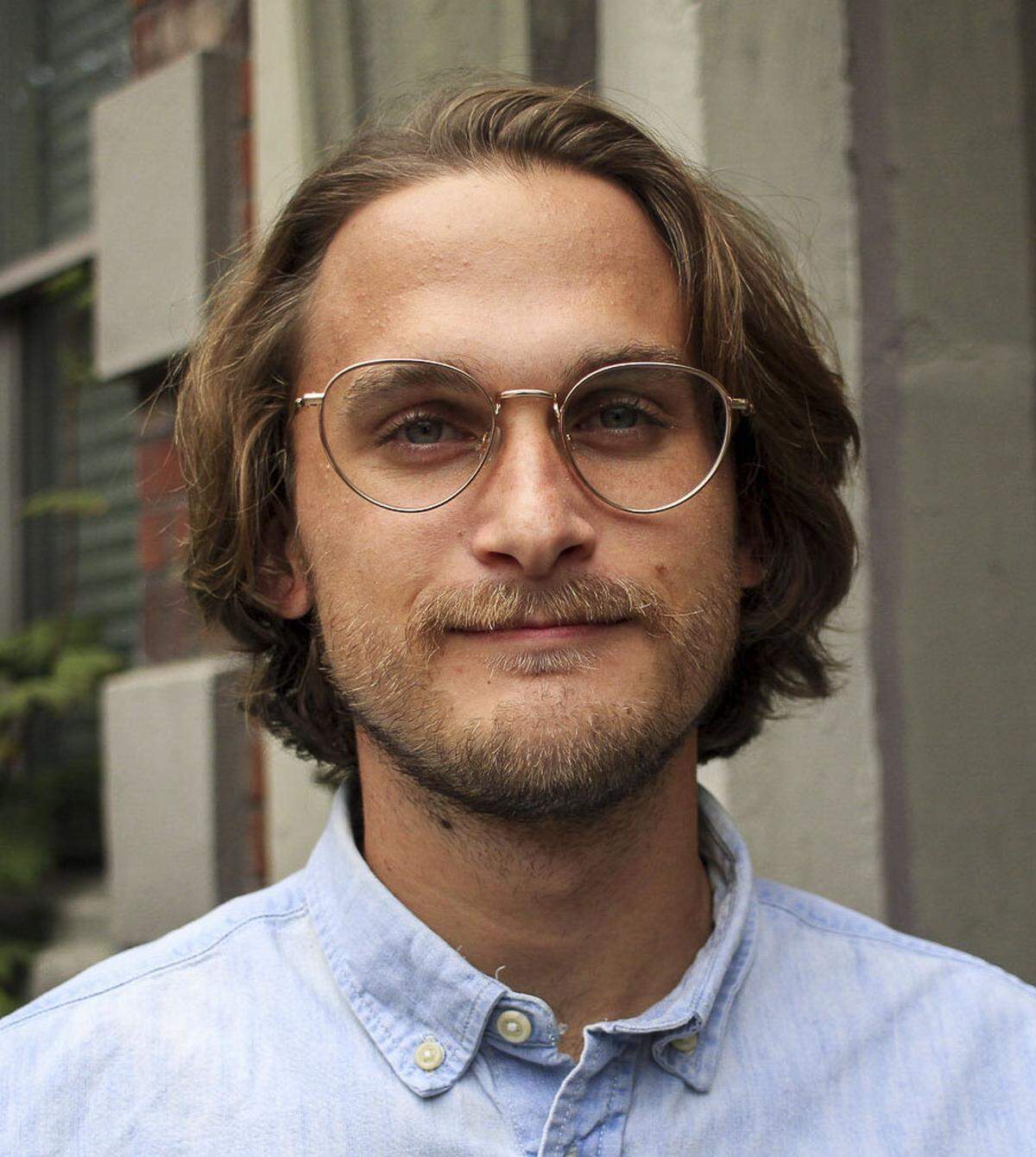
Rankine’s attorneys said Tuesday in a written statement that Rankine didn’t take his decision to resign lightly and that he worried about potential threats to other officers if he stayed. Rankine, an Asian American officer who his attorneys described as part of the BIPOC community, has faced numerous threats to his safety and his family after being “falsely accused,” the lawyers said.
The attorneys, Anne Bremner and Mark Conrad, said that when “political motivations and narratives” are stripped away, the case was about mental health and drug addiction.
Data from a heart monitor hooked up to Ellis when fire department personnel arrived proved that the officers did not cause Ellis’ death, Rankine’s attorneys said, claiming that prosecutors withheld that information from their own expert witnesses and ignored the data at trial.
Prosecutors’ expert cardiologist, Dr. Daniel Wohlgelernter, did go over the heart monitor data with jurors during trial, telling them it was his opinion that the electrocardiogram data shows that the electrical activity of Ellis’ heart slowed, which he said was consistent with hypoxia, the form of oxygen deprivation found to be the cause of Ellis’ death. Dr. Thomas Clark, the former medical examiner who first determined Ellis’ cause of death, made the same conclusion during his testimony.
.JPG "225287_LJ_ManuelEllisTrial_ (20).JPG")
Defense attorneys for the officers focused jurors’ attention on the high concentration of methamphetamine in Ellis’ system, 2400 nanograms per mililiter, and his underlying health conditions, including an enlarged heart, as evidence Ellis died of a drug overdose. Clark said that meth concentration was “extremely high” in Ellis’ autopsy report, and he listed it as a contributing condition in the man’s death, alongside his dilated heart.
Rankine’s attorneys said Tuesday that society must confront the real issues underlying Ellis’ death — drug addiction and mental health — if “Justice for Manny” is truly the goal.
“Until that moment comes, we anticipate our police force will continue to lose good officers, like Officer Rankine, and our crime rates will continue to climb to new highs,” Bremner and Conrad said.
The officers’ 10-week trial in Pierce County Superior Court was prosecuted by the Washington State Attorney General’s Office, and it was the first test of Initiative 940, a police accountability law adopted in Washington state in 2019 that lowered the bar to charge officers for on-duty offenses.
Ellis was walking home from a convenience store the night of his death when he came upon Collins and Burbank in a patrol car at 96th Street and Ainsworth Avenue.
Prosecutors alleged that Collins and Burbank unlawfully contacted Ellis, and all three officers used excessive force and tactics that caused Ellis death. Four civilian eyewitnesses characterized the police as the aggressors and said Ellis did not fight back as he was beaten, shocked with a Taser three times and pressed to the ground on his stomach while officers knelt or sat on him.
Rankine arrived as backup and later told investigators looking into Ellis’ death that he put all of his weight on the man’s spine when he arrived. He was the only officer to state he heard Ellis say “I can’t breathe.” Prosecutors claimed that all three officers heard Ellis — trial evidence showed he said it at least five times — and the state argued the cops should have immediately intervened to render aid..
Defense attorneys countered by arguing that the officers had to continue to restrain Ellis even after he said he could not breathe because he continued to resist arrest. An attorney for Burbank, Wayne Fricke, told the jury in closing arguments that Ellis “created his own death,” by resisting.
Ellis was handcuffed behind his back, and his arms were connected to a hobble on his legs. A spit hood was also placed over his head by an officer who wasn’t charged with a crime.
The defense poked holes in prosecutor’s eyewitness testimony by offering evidence to show that they did not see how the officers’ encounter with Ellis began. Using the testimony of Aiyana Mallang, who lived near the scene, the lawyers argued that one to two minutes elapsed before another witness, Sara McDowell started recording cell phone video.
By Collins and Burbank’s accounts, the incident began when they became suspicious of Ellis after seeing him try the door of a car passing through the intersection. Collins testified he called Ellis over, and the man jogged up to the driver’s window, sweating “profusely.” Collins told Ellis to go to the sidewalk, and as he walked around the patrol car, Collins said Ellis fixated on his partner.
In Burbank’s statement to Pierce County Sheriff’s Department investigators who first looked into Ellis’ death, the officer said Ellis then threatened to punch him in the face, followed by the man slamming his fists into the patrol car’s window. Collins testified he got out of the car to confront Ellis, and he said Ellis threw him off his feet and into the street.
Collins told jurors that from the moment Ellis struck the window, he had probable cause to make an arrest for felony assault on a police officer. He said Ellis throwing him off his feet amounted to a second count of assault. A “melee” broke out from there, Collins said. He said he had to use the amount of force he did, including striking Ellis in the head several times and briefly using a neck restraint, to get him under control.
This story was originally published January 16, 2024 at 1:14 PM.