Tacoma store owner had hands up when shot by robber. Killer now sentenced
A 20-year-old man found guilty by a jury of murdering the owner of a Tacoma corner store during a robbery targeting vape and tobacco products was sentenced Friday to nearly 50 years in prison.
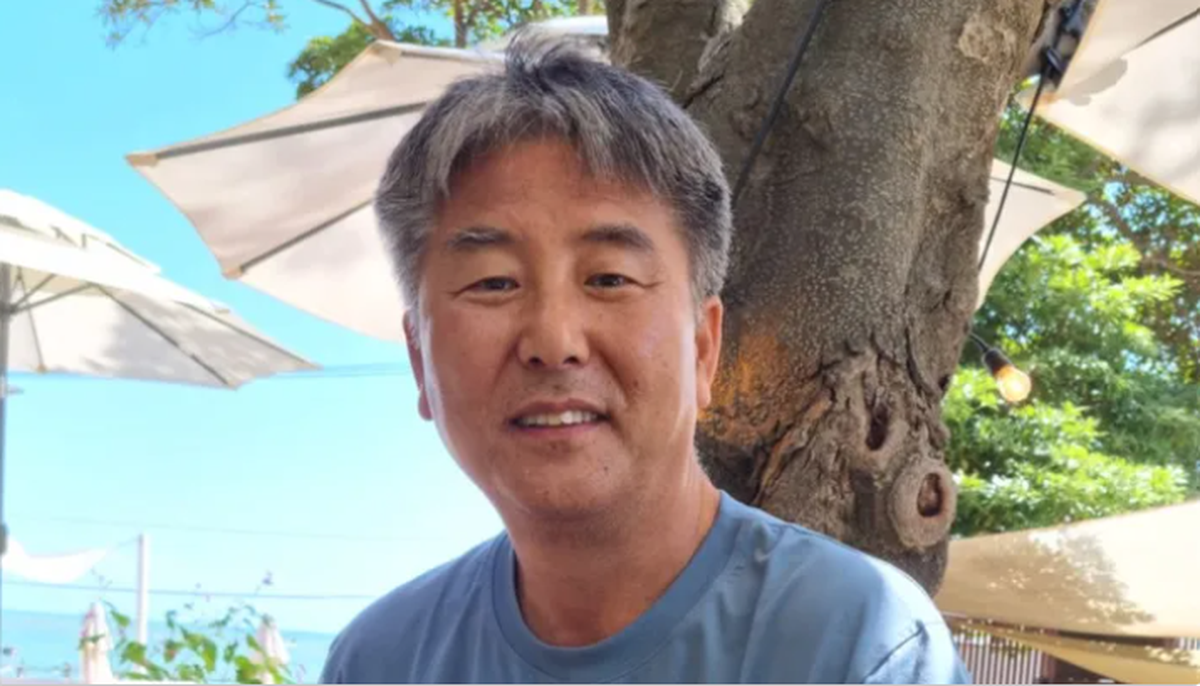
Pierce County prosecutors called the murder of 60-year-old Seok Chul Park, who was also known as Charlie Park, a senseless crime that took the life of a beloved businessman.
The Little Store, which Park owned at 3501 S. Ainsworth Ave., was the kind of place where Park knew customers by name and what they liked to buy. His wife, Chung Ran Choo, described it as a “playground” for neighborhood kids and a gathering place for the community.
Deputy prosecuting attorney Kelly Montgomery said in court that the trauma of his death rippled through Park’s family. In a victim-impact statement filed with the court, Choo wrote that although it has been 16 months since Park’s death, she and her family continue to live a “hellish” life, burdened by the guilt of not having been able to protect him.
“It wasn’t just my husband who died, but that day, my family and I died as well,” Choo wrote.
The fatal shooting occurred in the middle of the afternoon on Oct. 3, 2023. According to court records, Angel Mendez entered the store wearing a face mask and dark clothing, then pointed a handgun at a cashier and put plastic bags on the counter.
The cashier hit an emergency button and walked out the front door. Mendez followed him to the doorway. That’s when Park entered the store from a back door. Surveillance video showed Park raise his hands in surrender at the counter. Seconds later, Mendez fired one bullet at Park that struck him in the chest. He was pronounced dead at the scene.
A day later, Mendez, who was 18 at the time, robbed another store for vape and tobacco products, allegedly with then-16-year-old Juan Manuel Calvario. His case is ongoing in Pierce County Superior Court. Mendez was arrested after that stickup.
Prosecutors charged Mendez with first-degree aggravated murder for Park’s death, a crime that could have allowed the state to argue he should be sentenced to life in prison with the possibility of parole. At trial, jurors declined to return a verdict on that charge, leading to a mistrial on that count.
Jurors found Mendez guilty of first-degree murder, first-degree attempted robbery, three counts of second-degree assault and first-degree robbery. One count of second-degree assault was vacated at sentencing.
During the hearing, prosecutors argued against the defense’s position that Mendez should be sentenced to a prison term below the standard range due to aspects of youthfulness applicable to the crime such as immaturity and peer pressure. Including sentencing enhancements, the standard range Mendez faced was 49 years, 10 months to 60 years, 1 month.
Eric Trujillo, Mendez’s attorney from the Department of Assigned Counsel, recommended a 25-year punishment. He said psychological testing showed at the time of the offense Mendez was “probably not as mature as the next 18 year old.”
Trujillo said messages sent between Mendez and Calvario also showed he was being convinced by a 16-year-old to participate in the robbery that occurred after Park’s murder.
The defense attorney said a 25-year sentence would still put Mendez out of custody later in life, in his mid-40s.
“Twenty-five years to an 18-year-old is quite substantial,” Trujillo said. “Hopefully someone else who is out there thinking about doing this or considering this at least has that in the back of their minds.”
Before handing down Mendez’s sentence, 598 months, Judge Timothy Ashcraft described the difficult upbringing Mendez experienced. He grew up in California, according to court records, and he was primarily raised by his mother but ended up in foster care and Child Protective Services custody several times.
After his father’s death, court records describe him being physically abused by his mother’s boyfriend. He sometimes went without regular meals, and his family was kicked out of housing for not being able to afford rent. Mendez moved to Washington in 2021.
Ashcraft said he felt prosecutor’s recommendation for a low-end sentence at least partly took into account Mendez’s youth and immaturity, and he didn’t find the defense’s recommendation of 25 years to be realistic.
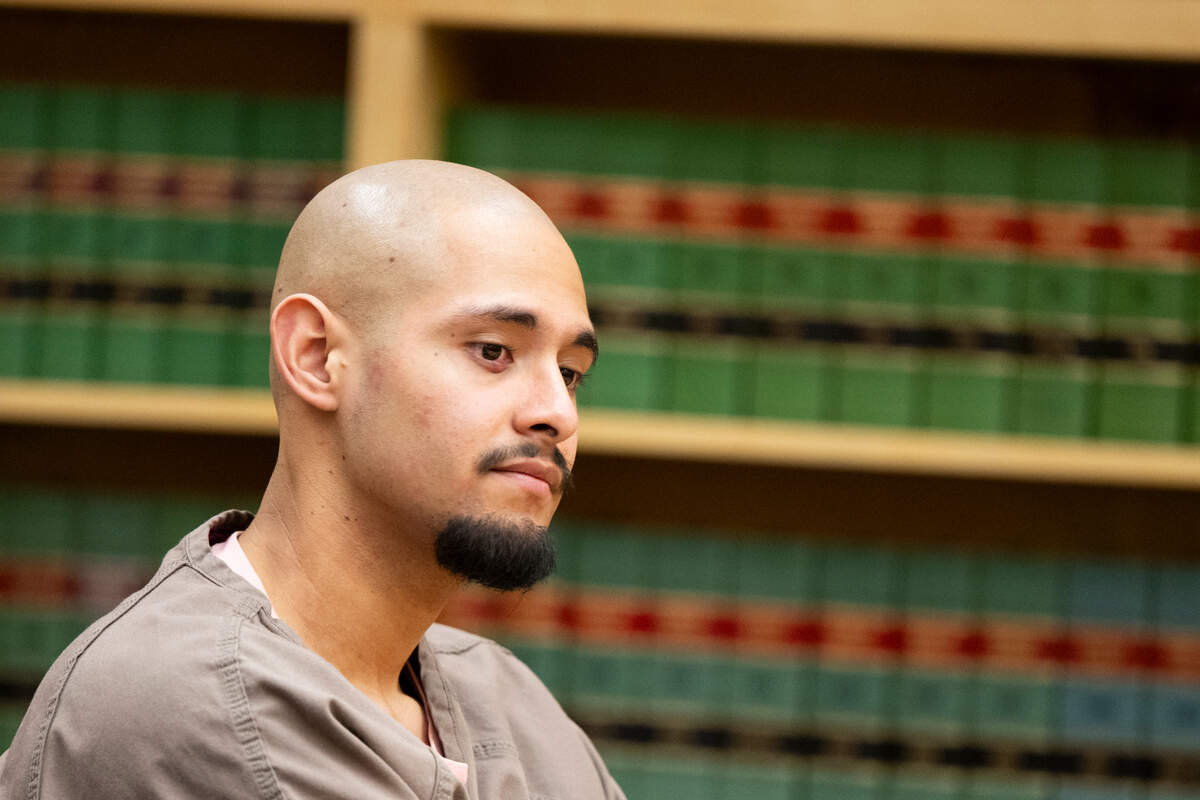
Mendez, who appeared in court unrestrained wearing jail clothing, sat quietly throughout the hearing. When he was given an opportunity to speak, he declined. That choice is his right, but it took Ashcraft by surprise.
“I am, to be quite honest, bothered by Mr. Mendez choosing not to say anything as far as any type of allocution here, apology to the family of Mr. Park or anything at all expressing any type of remorse,” Ashcraft said.