75-bed reentry center for people leaving prison to reopen in Tacoma
AI-generated summary reviewed by our newsroom.
- Tacoma’s 75-bed reentry center will reopen in July after a one-year closure.
- The state facility aids transition from prison by providing housing, work and support.
- Progress House split from DOC to offer broader community-based programming.
A facility that helps people who are incarcerated transition to life outside of prison will soon reopen in Tacoma, a year after the nonprofit that operated it ended its relationship with the state Department of Corrections.
Reentry centers offer work-release opportunities to people who have less than a year left on their prison terms, giving them shelter, food and other services so they can focus on getting a job, going to school and reconnecting with their families.
The Progress House Association has done this work since the early 1970s, when the late Rev. Leo Charles Brown Jr. founded the association as a group of halfway houses to help men and women reenter society after leaving prison.
Last year the nonprofit’s Tacoma location shuttered. At the time, Cynthia Fedrick, CEO of the Progress House Association and one of Brown’s daughters, said working as a contracted facility for the Department of Corrections came with limitations, and she wanted to return the nonprofit to its original mission of providing holistic, community-based programs.
The split left Washington’s second-most populous county without a reentry center. People from Pierce County were instead placed in King, Kitsap, Thurston and Cowlitz counties. This year three more reentry centers are expected to close by Oct. 1 in Port Orchard, Yakima and the Tri-Cities due to state budget cuts.
In a public ceremony on Saturday, the Tacoma reentry center will be renamed the Leo Charles Brown Jr. House at Tacoma Reentry Center in honor of Brown’s decades-long work with people who came into contact with the criminal-justice system.
“Having his name on that program means that the work that he did in Pierce County, impacting over 16,000 people, will continue to live and that good work will continue to go on,” Fedrick said. “The man stood for fighting for marginalized people, some of the people that maybe most people tend to ignore or don’t know and don’t want to deal with.”
The facility, which will be state owned and operated, is expected to be up and running sometime in early July with 75 beds, according to Chris Wright, a DOC spokesperson. The facility previously had 90 beds, and it’s unclear why its capacity has shrunk. Wright did not have additional information.
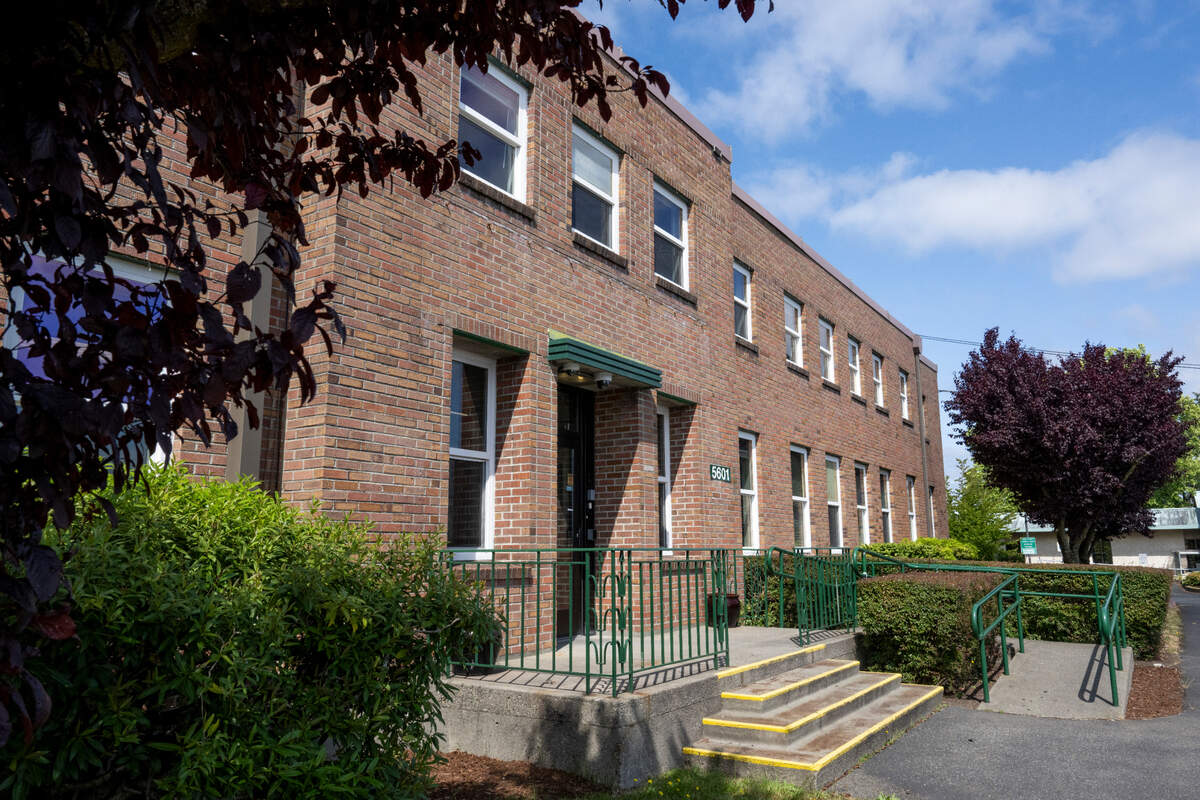
Saturday’s ceremony begins at 11 a.m. at 5601 6th Ave. It will be attended by Tacoma Mayor Victoria Woodards and County Executive Ryan Mello among other dignitaries. Afterward, attendees are invited to a community resource fair across the street at Faith Presbyterian Church.
Mello told The News Tribune on Thursday that the reentry center’s services were essential to making Pierce County safer by reducing future criminal activity.
“Everyone certainly deserves a second chance,” Mello said. “This is the way to not only give someone a productive and best shot at a healthy and productive second chance, but it’s good for the rest of us.”
Most people who commit a crime aren’t going to stay in jail forever, Mello said.
“When they come out of prison, what are we doing to make sure that they’re not likely to reoffend?” Mello said. “We owe it to our society, we owe it to these individuals. It makes our community safer to help these folks be more productive and healthy.”
Woodards said Brown was instrumental in establishing a work-release program for former prisoners at a time when it wasn’t popular to do so. She said she hoped this renaming inspires others in the faith community to work not just within their churches but for the city, too.
“[Brown] was known for making sure that not only did he take care of those that he had responsibility for who were members, but he also saw being a pastor in this community as being a pastor over this entire community,” Woodards said.
Fedrick said walking away from the Progress House Association’s contract with DOC — worth $1.7 million annually — was a tough transition, but it has freed the nonprofit to expand its work. Last year it partnered with Lynnwood’s Community Justice Center in Snohomish County to help people suffering from alcohol or opioid use disorders.
The nonprofit has two main programs. The Change Program offers life coaching and helps individuals work through issues of substance use, mental health and trauma. The second, PHA Clubhouse, focuses more specifically on serving people with a diagnosed mental illness.
“We’re there with you, going through the ups and downs and the night phone calls and the ‘I don’t know what to do with this,’” Fedrick said.
The DOC has its own requirements to fulfill when offering reentry services, Fedrick said. The Progress House Association separating itself from running the facility as a contractor allows the nonprofit to extend additional services and connect with people who might be resistant to the DOC.
Fedrick said she aims to continue to work with individuals placed at the Tacoma reentry center.
“As you transition out [of the reentry center], you have programs like our Change Program that say we’ll partner with you for the next six months to a year, so you still have someone, you’re not all on your own,” Fedrick said.