Pierce County learned from heat wave mistakes, coming through for homeless in cold snap
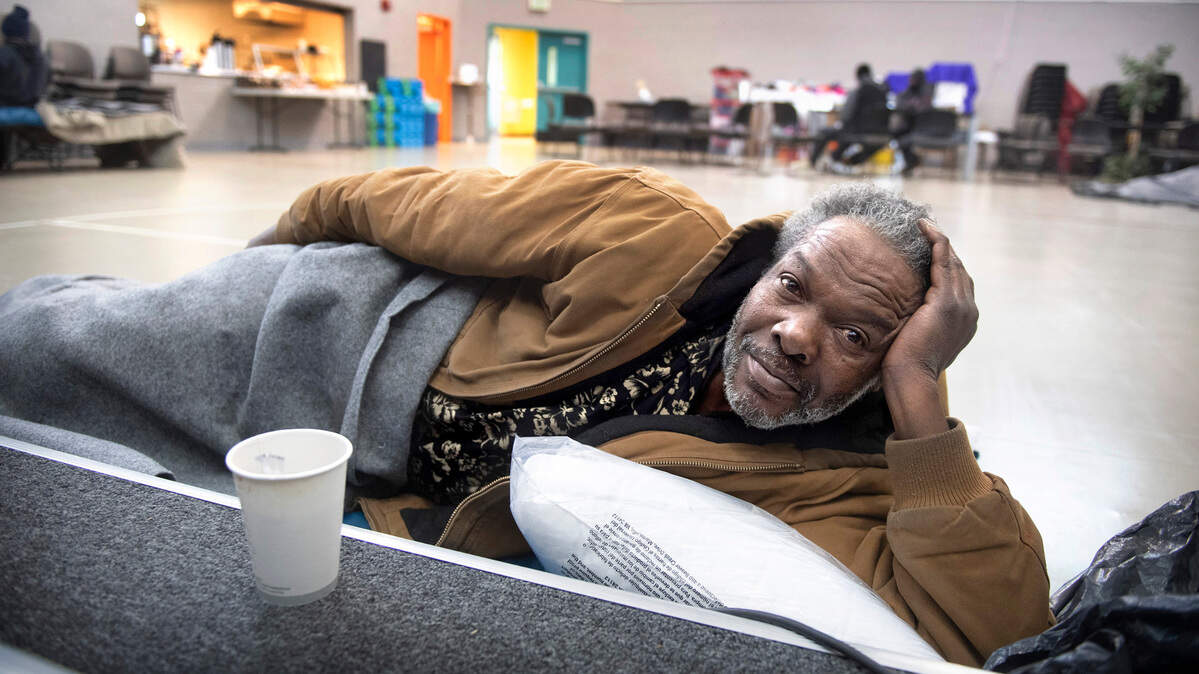
Anthony McCreary typically sleeps in his van. It’s been his one constant source of shelter since he lost his home on Tacoma’s Eastside roughly five years ago, he said.
On Tuesday morning, McCreary explained that the most difficult part is finding some place to park and dealing with the elements. With temperatures hovering in the mid-20s and snow falling once again, they were two challenges he said he was grateful to have left behind, at least temporarily.
McCreary, 60, was among a handful of men eating breakfast inside the Brotherhood R.I.S.E. Center on Hilltop, one of seven warming shelters opened across Pierce County in response to frigid conditions expected to last through the week. He had a cot, a blanket, a warm meal in front of him — and the understanding that he could stay until it was no longer freezing outside.
The weather convinced him to come indoors.
“We’ve lost a lot of lives out there,” McCreary said of his years long experience living unhoused. “It’s cold. It’s not too nice.”
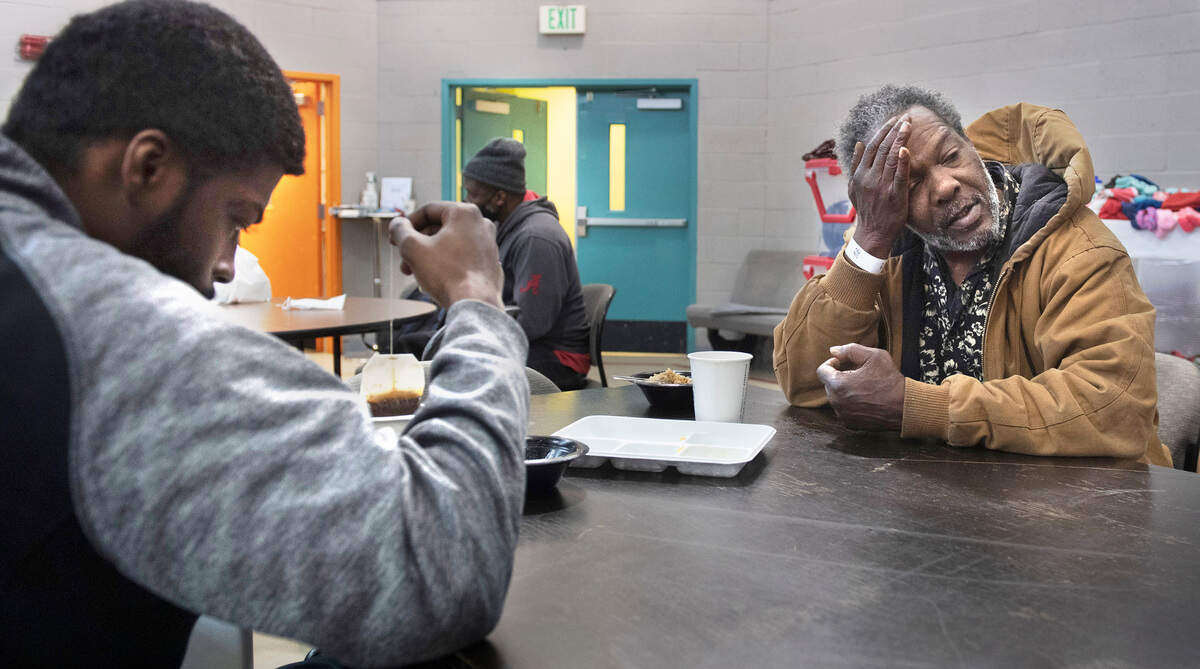
Throughout Pierce County, McCreary isn’t alone. According to estimates provided by the county’s Human Services department, roughly 250 more people than usual used a shelter bed on Monday night. It’s an effort that will continue through the duration of the current cold snap, according to Department of Emergency Management director Jody Ferguson, who is tasked with coordinating Pierce County’s response, including leading a team of nearly two dozen people working out of the county’s Emergency Operations Center.
While Ferguson acknowledged that the county’s efforts to expand shelter space and provide basic necessities during inclement weather are unlikely to reach everyone, that’s the goal, she said.
Ferguson also acknowledged the obvious:
Pierce County has come a long way since the last time it experienced a severe weather-related crisis impacting homeless residents — the summer’s heat wave — when even the basics of distributing water to those living outdoors were far more difficult than they should have been.
“I just want to feel like we’ve done everything we can. We may not be able to get every single person indoors, but we’re sure going to try,” Ferguson said. “We took the summer heat incident very seriously, and my team led an effort to conduct a very thorough after-action review, and really pinpoint the things that did not go well. After that was complete, we took the responsibility to start addressing those items.”
As The News Tribune reported earlier this year, local homeless advocates and volunteers were justifiably critical of Pierce County’s response to the June 2021 heat wave, which included several days with temperatures in the triple digits. Stalwarts like Maureen Howard of the Tacoma-Pierce County Coalition to End Homelessness expressed frustration at the lack of a coherent plan, and told harrowing stories, like the desperate pleas for water she said she was forced to make at the last minute.
That’s what makes the response to the current weather crisis — just six months later — so remarkable, Howard said Monday. Working together with the Coalition to End Homelessness, the county’s Human Services division and local cities — including Tacoma — the Department of Emergency Management has helped to launch 24-hour warming centers, provided transportation to the shelters through Pierce Transit, increased shelter capacity, distributed hundreds of blankets, extended hotel vouchers and opened four hubs where outreach workers can collect supplies.
“It’s amazing. I cannot believe the difference between June and today,” Howard said. “It’s like we’re working in a different universe.”
So what made the difference? According to Gerald Daniels, the R.I.S.E. Center’s executive director, much of it comes down to the pressure and involvement of the Coalition to End Homelessness. In the aftermath of the summer heat wave, members successfully raised the alarm and brought attention to the need for a specific plan for serving the homeless during extreme weather events, he said.
In response — and to its credit — the county listened and committed itself to working together with the coalition, Daniels believes.
“They’ve been pretty relentless on it; they wanted to make sure that we have to do better,” Daniels said of the Coalition to End Homelessness’ public criticism of the county’s inclement weather response earlier this year.
“This time, it’s been a collaborative effort,” Daniels continued. “And I have not been easy on the county or the city, so you’re not getting anyone giving you any fluff.”
According to Ferguson, there’s little question that the county’s collaboration with the Coalition to End Homelessness paid major dividends. She noted that two coalition members have been working alongside her team at the Emergency Operations Center, helping to coordinate local resources and identify where people are likely to be living outside.
It’s a partnership Ferguson expects to continue and grow in future emergencies, she said.
“The summer weather event kind of reinforced that these weather emergencies at least appear to be becoming more frequent and more severe, and for our unhoused neighbors it presents a really unique set of needs — and support we can provide. It just really sunk in that especially during these weather incidents, our most vulnerable need special attention,” Ferguson said.
“It sounds kind of cliche, but it’s all about communication and coordination,” Ferguson continued.
“It’s been night and day compared to the response this summer.”
This story was originally published December 29, 2021 at 5:00 AM.