Elusive creature disappeared for decades — but it was just caught in West Virginia park

An animal that hasn’t been seen in decades was recently rediscovered in a West Virginia national park — and experts are “thrilled.”
Wildlife biologists at the Harpers Ferry Historical National Park captured and tagged multiple Allegheny woodrats during the summer in the forests, according to a Sept. 23 news release.
The woodrats, which are more closely related to mice than rats, have been reported as “locally extinct” in certain areas in Appalachia and their populations has faced steep declines, according to the release.
That’s why the rediscovery of the small, furry creature was so exciting, biologists said.
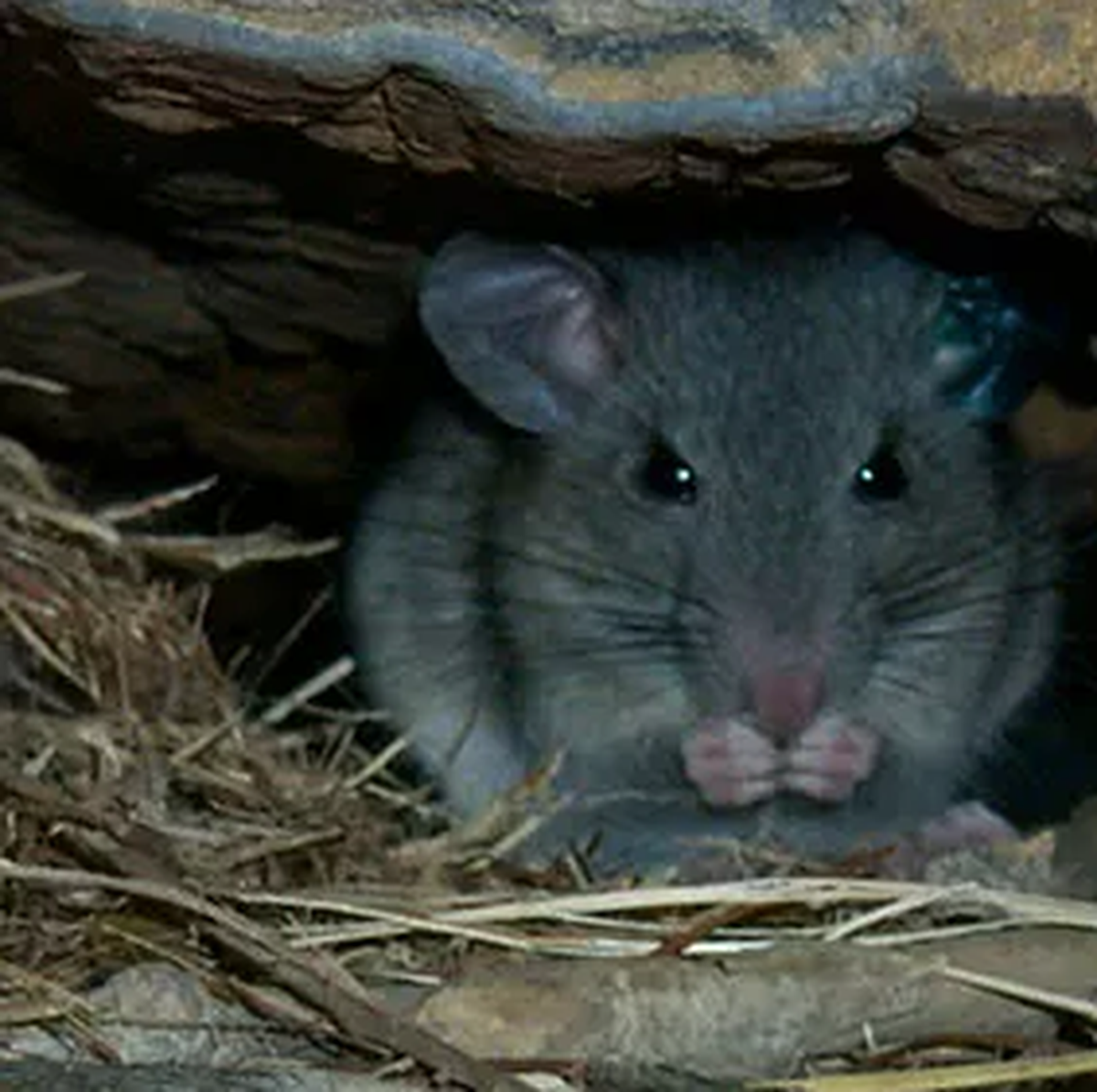
“The Allegheny woodrat is a remarkable species, and we’re thrilled to find them again in the Harpers Ferry area,” Nicole Keefner, a biological science technician at Harpers Ferry NHP, said in the release. “This rediscovery is an important reminder of the value of protecting natural places that provide crucial habitats for plants and wildlife.”
Biologists found young and adult Allegheny woodrats during the search. The animals were caught, tagged and released back into the wild.
“Given the Allegheny woodrat’s rarity across their historical range, collaborative efforts like this can go a long way in conserving the species,” Dr. Karen Powers, a biology professor at Radford University, said in the release.
The Allegheny woodrat is listed as a “species of concern” in West Virginia but has a “vulnerable” status globally, meaning that it is “at moderate risk of extinction or elimination due to restricted range, relatively few populations, recent and widespread declines, or other factors,” according to the National Park Service. It faces environmental threats including food shortages, predator populations and human encroachment.
Harpers Ferry Historical National Park is located near the northeastern border of West Virginia, about 65 miles northwest of Washington, D.C.
This story was originally published October 3, 2022 at 3:10 PM with the headline "Elusive creature disappeared for decades — but it was just caught in West Virginia park."