‘Intriguing’ reports of cave-dwelling creature led to discovery of new species in India
For over a century, spelunkers in eastern India reported seeing a cave-dwelling creature. The reports persisted, usually as passing mentions or brief observations of the unknown creature. No one studied it in depth — until now.
The “intriguing” reports led a team of scientists to venture inside Siju Cave to take a closer look, according to a study published March 31 in the Journal of Animal Diversity.
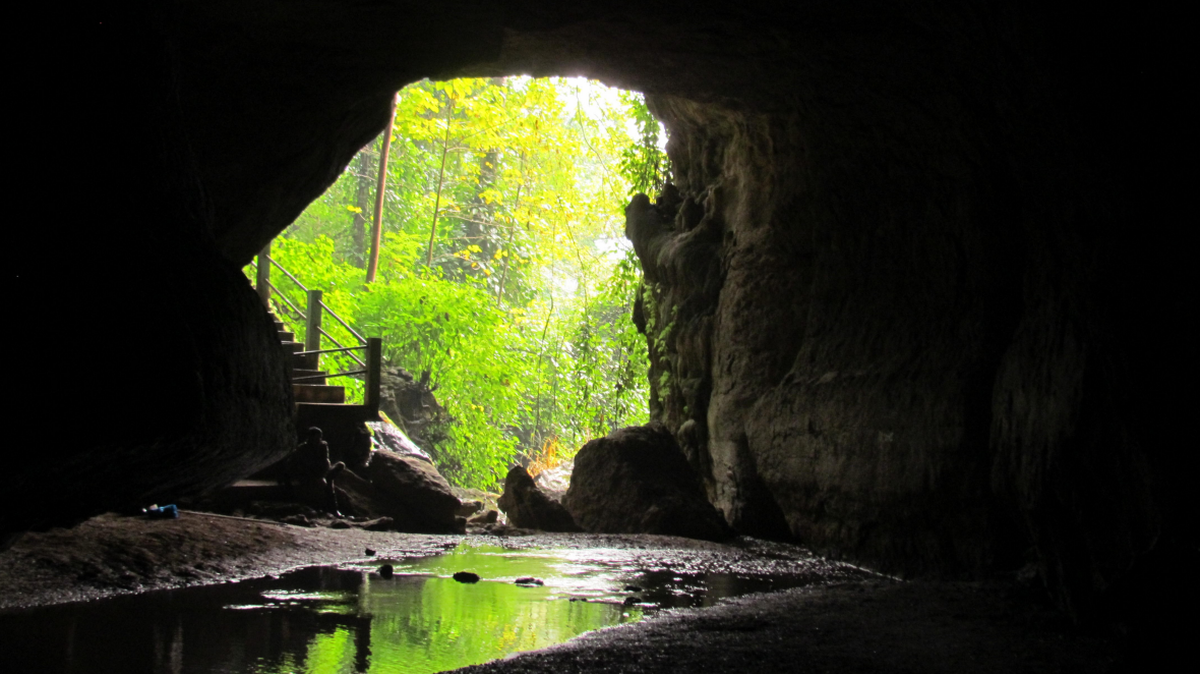
Siju Cave is a 2.5-mile-long limestone cavern with a massive, cliff-side entrance. Walking into the cave, spelunkers are met with “a rather straight, high ceiling” passageway with a sandy, meandering stream, the study said. Photos show this entranceway illuminated by a searchlight.
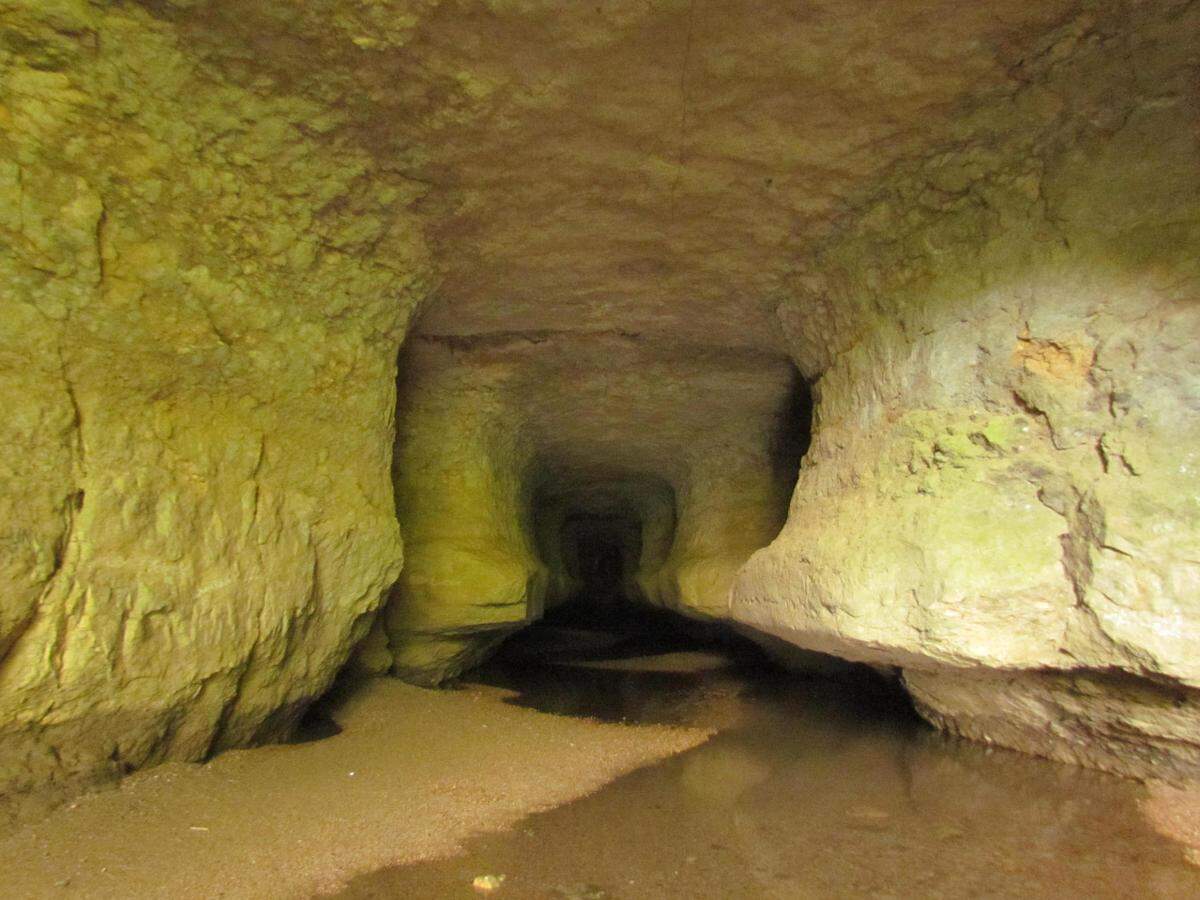
About 200 feet into the cave, researchers reached the twilight zone, an area with limited light. Photos show what this area looks like without any man-made illumination.
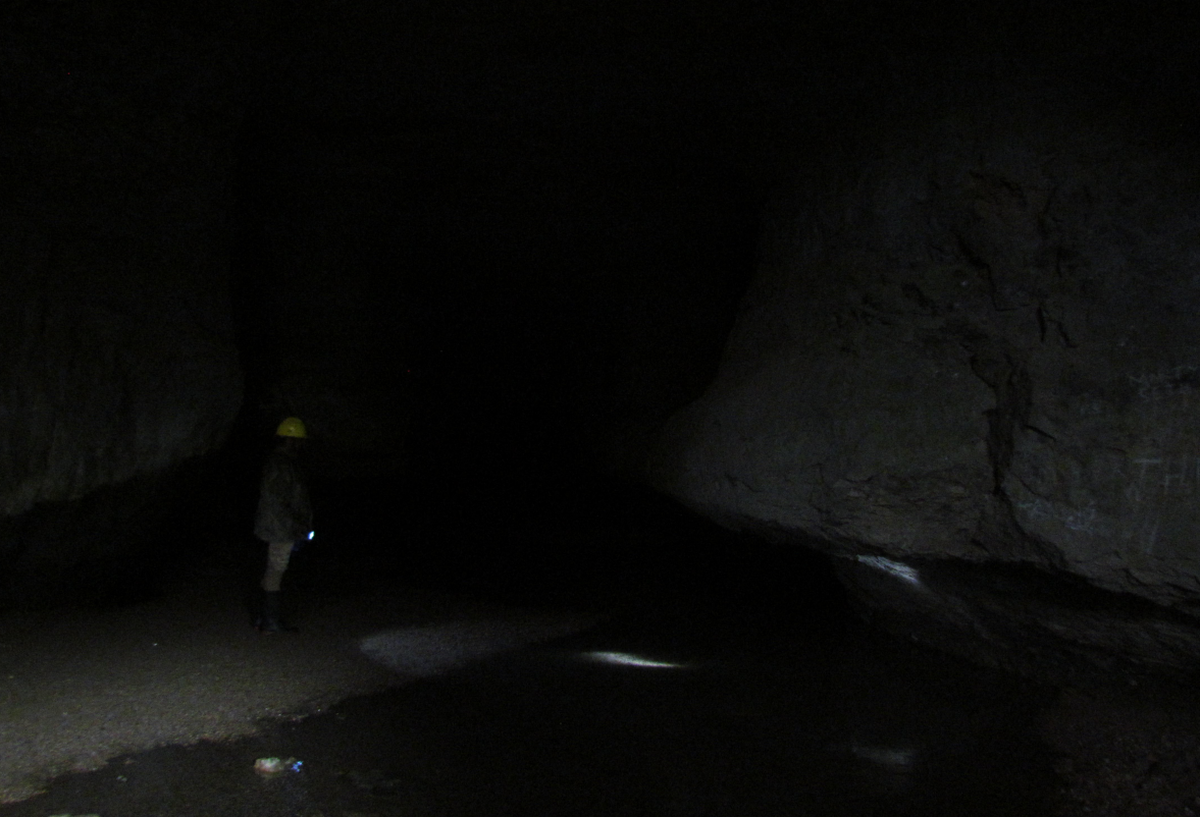
After about 330 feet, darkness completely envelops the cave. This “dark zone” has consistent “temperature and humidity” all year long, researchers said. Continuing further into the pitch black, researchers entered “a huge dome-shaped cavity where thousands of bats roost.”
Here, the scientists discovered the “cryptic” creature they were searching for — but they didn’t realize it at first, the study said.
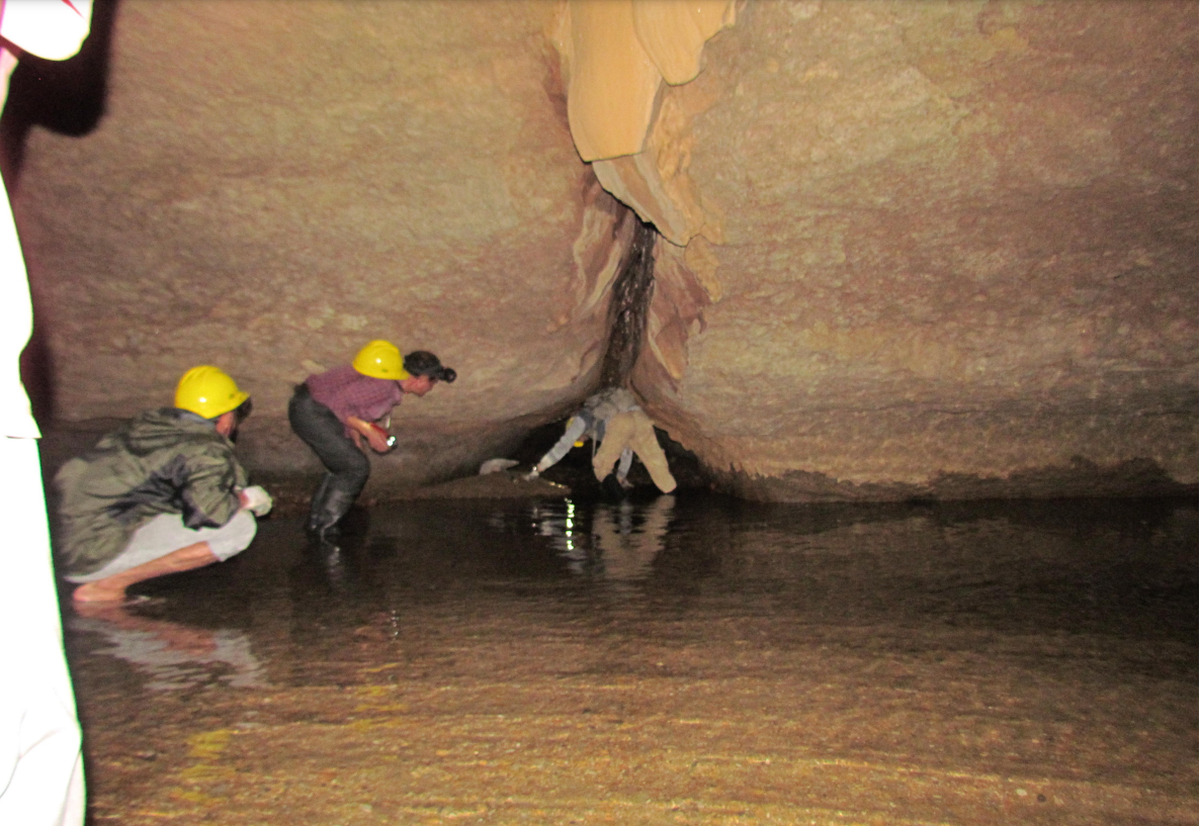
The team found two “olive green” frogs sitting in the darkness of the massive cavity and collected them as specimens, the study said. Another frog was found hiding in a crevice of the wall in the twilight zone.
.JPG "Amolops siju (Siju Cave Frog).JPG")
Initially, researchers identified the frogs as belonging to a known species. However, when they looked closer, the “superficial” similarities gave way to other distinct features, the study said. A molecular analysis confirmed it.
The frogs found in the cavern were actually a new species of cascade-dwelling frog, researchers said. The species was named the Siju cascade frog, or Amolops siju, after the cavern where it was discovered.
The Siju cascade frog has dark brown markings, photos show. The frogs ranged in size from about 2.5 inches to about 3.7 inches, with females being larger than males, the study said.
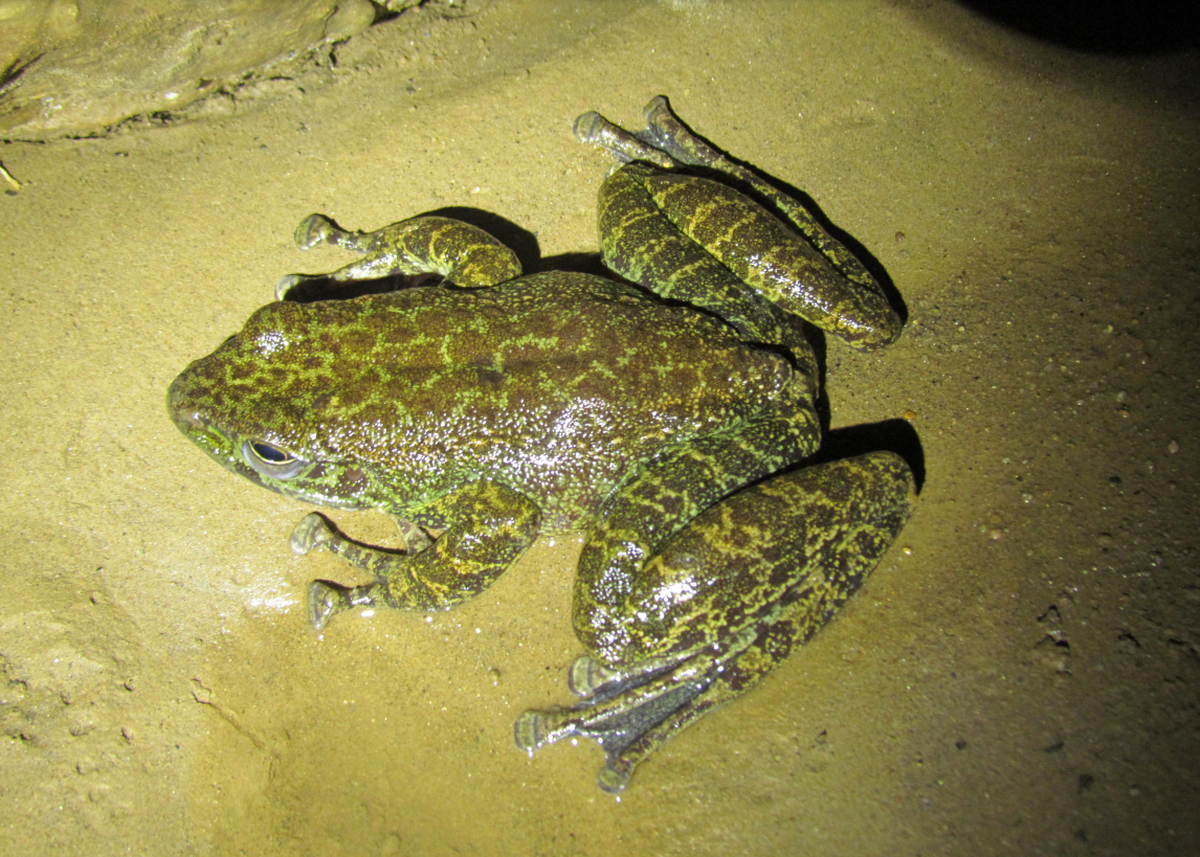
The frogs had no cave-specific physical adaptations, leading researchers to conclude the species can also live outside of caves. They theorized that the frogs were likely drawn to the cave for the warmth it provides.
Further research is needed to understand the geographic distribution of the Siju cascade frog and to determine the food web that allows it to live deep in the dark.
Siju Cave is located in the state of Meghalaya, near the India-Bangladesh border, and about 1,020 miles southeast of New Delhi.
This story was originally published April 11, 2023 at 2:13 PM with the headline "‘Intriguing’ reports of cave-dwelling creature led to discovery of new species in India."