
Safari guide tips off researchers to prehistoric bones — then new species discovered
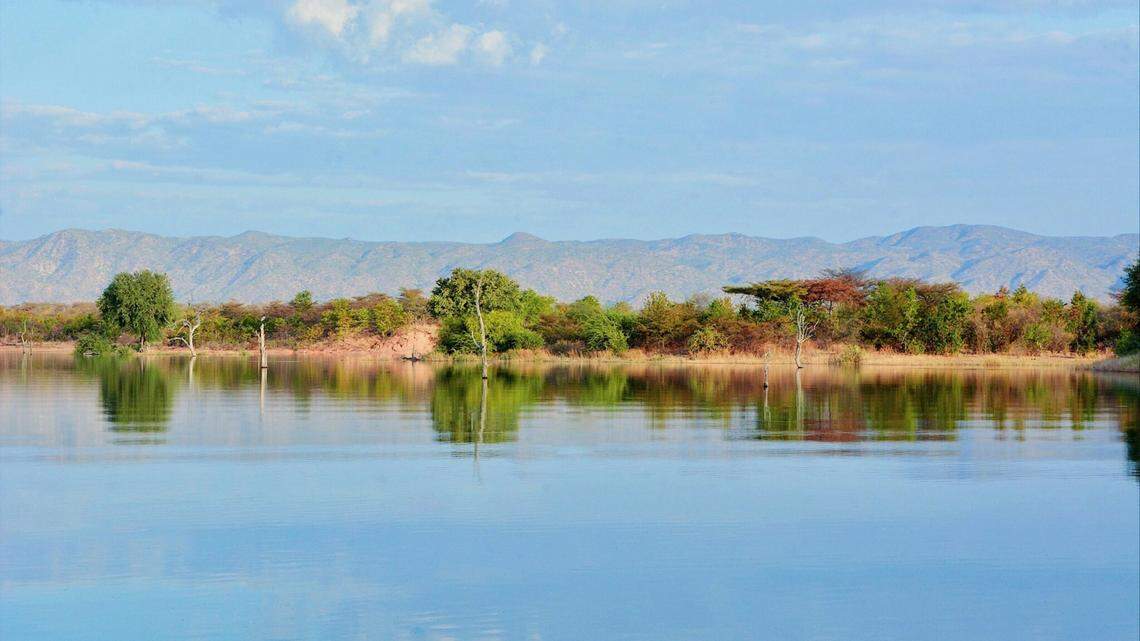
In the northwestern region of Zimbabwe, Lake Kariba extends for miles along the country’s border with Zambia.
Just off the coastline, a small island spreads out like a starfish in the lake, and it’s here that safari guide Steve Edwards thought he might know of large, fossilized bones found along the shore.
He reached out to Paul Barrett, a professor with the National History Museum in London who had colleagues in Zimbabwe and South Africa, according to a May 30 news release from the museum.
They pulled together a team to go and investigate Edwards’ claims. Little did they know, they were about to make an incredible discovery.
“We were on the shoreline of Spurwing Island when I noticed these long leg bones just sticking out of the ground,” Barrett said in the release. “After we excavated the fossils, we realized it was quite different from the dinosaurs you might expect to find in the area.”
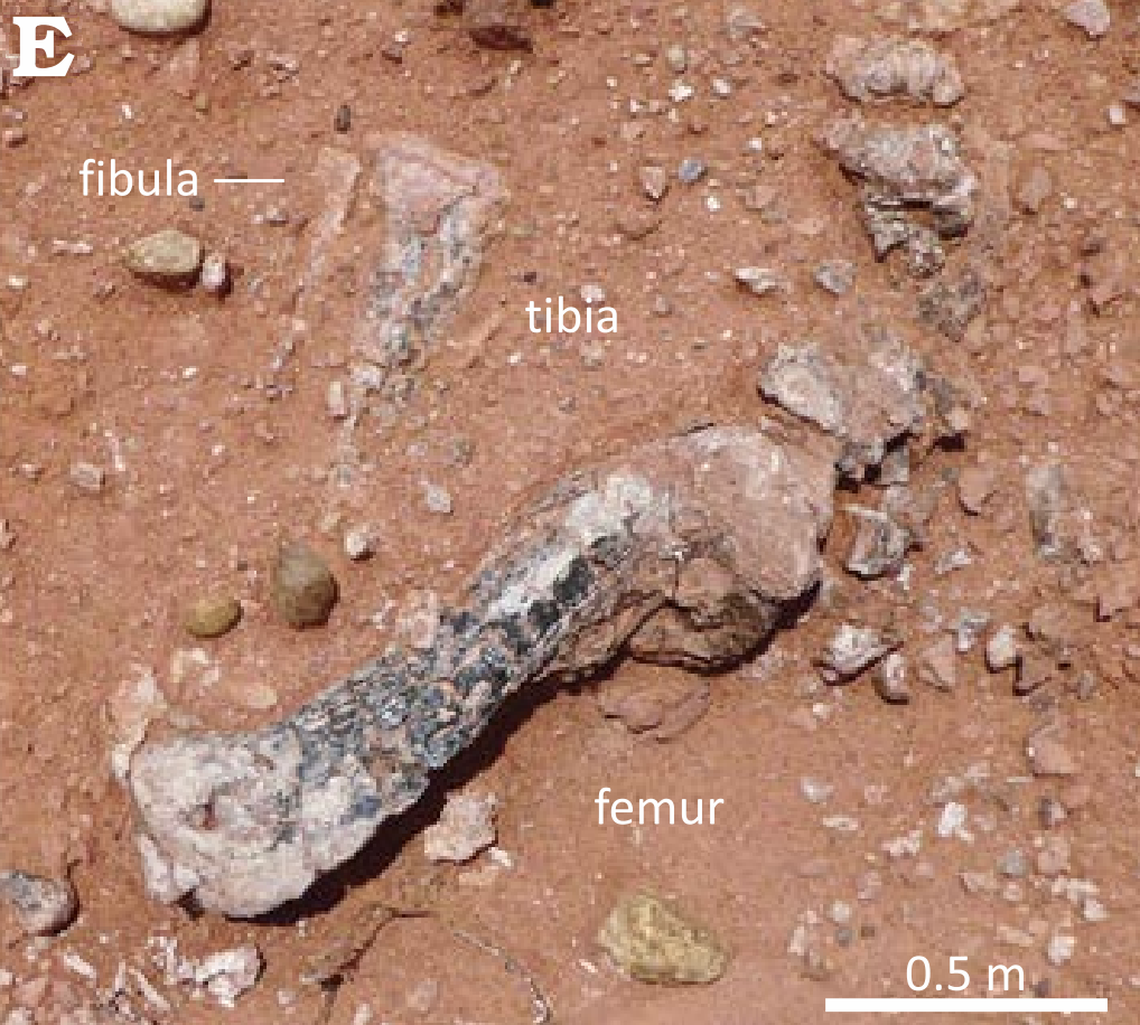
The large bone belonged to the leg of a sauropodomorph, but it didn’t look quite like anything discovered before.
The bone belonged to a new species.
The discovery was published in the journal Acta Palaeontologica Polonica on May 30.
The new species was named Musankwa sanyantiensis after the boat that housed the researchers during their expedition, and the Sanyati River, which once ran through the enormous lake, according to the study.
The species is an early relative of the sauropod, the largest dinosaurs that ever lived, but it was instead only about 5 feet high at the hip as it walked on two legs, according to the release. It also weighed about the same as a modern-day horse.
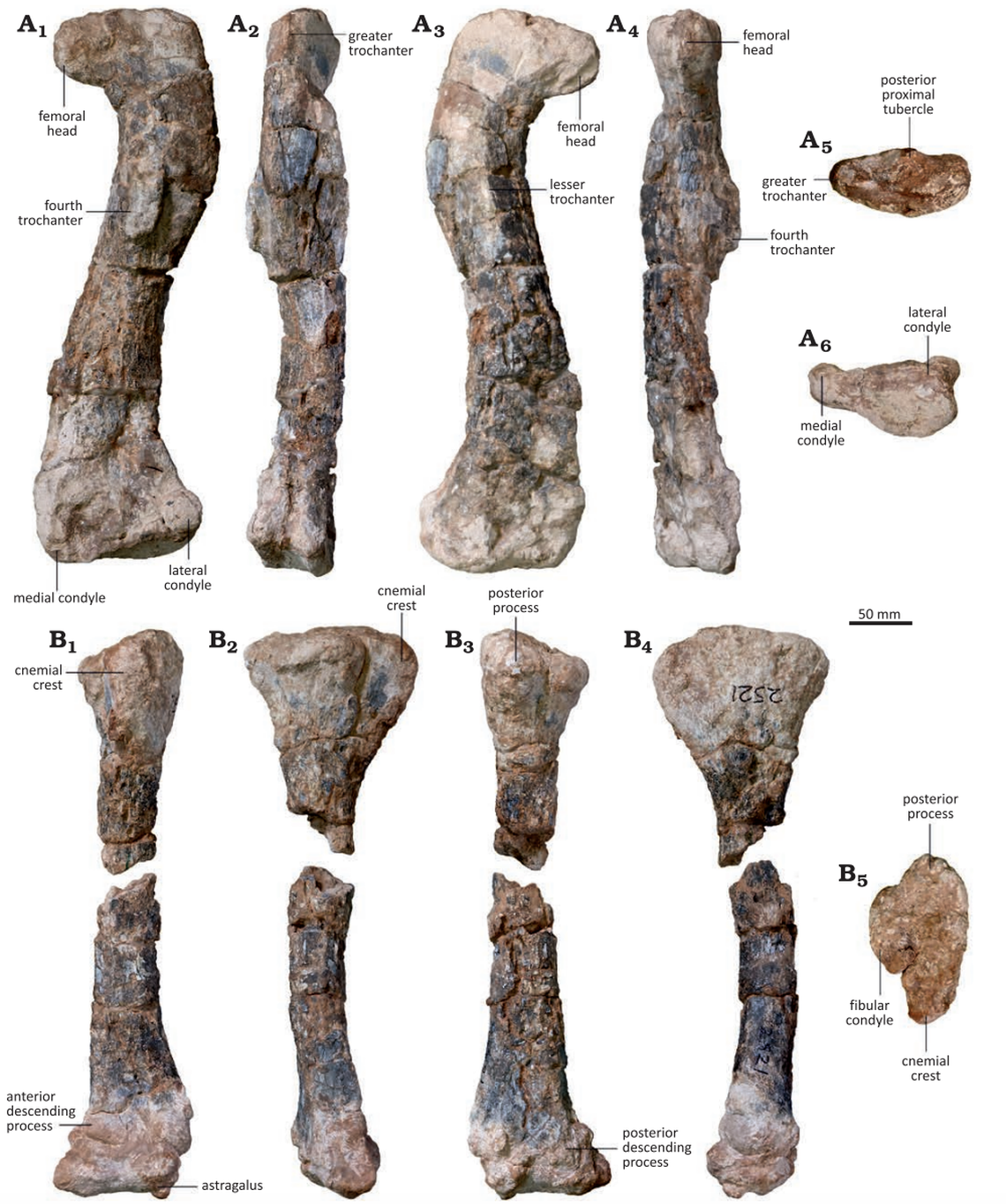
“Musankwa sanyantiensis … represents only the fourth dinosaur to be named from Zimbabwe … and is the first to be named from the Mid-Zambezi Basin in over 50 years,” researchers said in the study.
The 210 million-year-old fossils are also important for understanding where these types of dinosaurs lived, as the closest relatives have been found across the ocean in South America and just south of Zimbabwe, according to the release.
“There was a hint from our evolutionary trees that it might be linked to Riojasaurus from Argentina and Eucnemesaurs from South Africa,” Barrett said. “It might mean these animals were a widespread, cosmopolitan group of dinosaurs able to move back and forth between what is now South America and southern Africa. If this is the case, then it’s possible that Musankwa could be found elsewhere. It’s a tantalizing prospect, but as the relationship was only found in some of our evolutionary trees, we’ll need more evidence to confirm it.”
Only one leg of the dinosaur has been discovered so far, but the researchers also found other fossils, including bones from a phytosaur (a crocodile-like dinosaur), conifer trees and amphibians, according to the release. The area was likely a swampy woodland millions of years ago, filled with aquatic creatures.
This story was originally published May 30, 2024 at 2:33 PM with the headline "Safari guide tips off researchers to prehistoric bones — then new species discovered."
