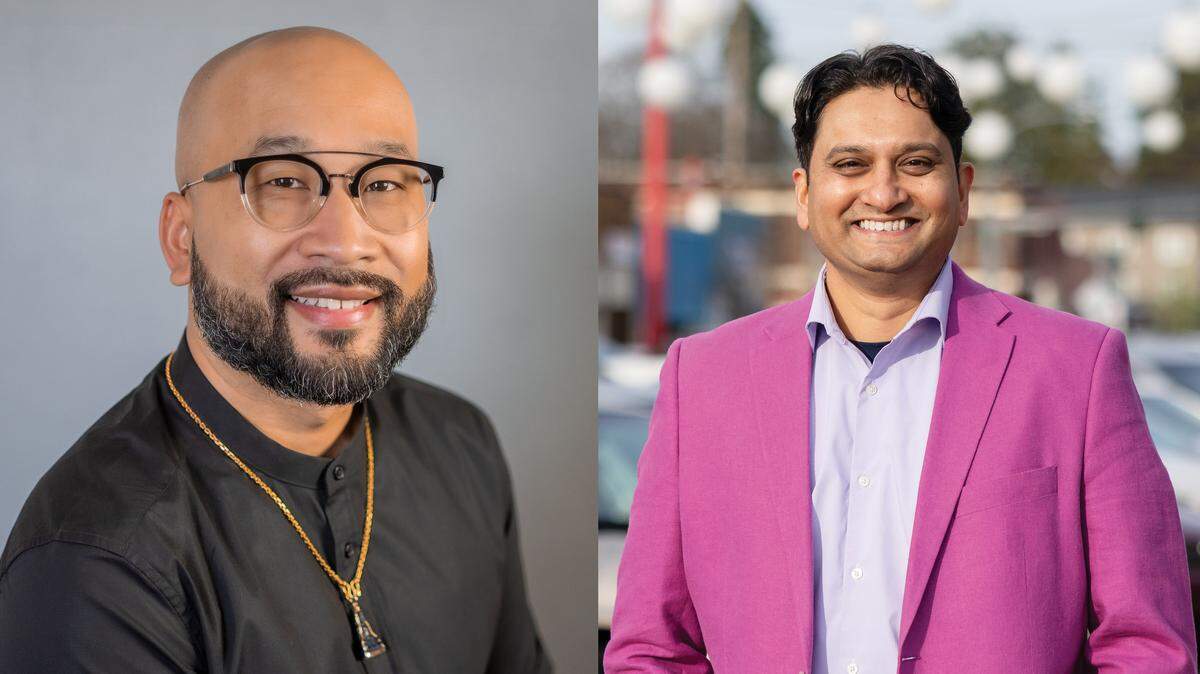
A Tacoma at-large council seat is up for grabs. Here’s a Q&A with the candidates
READ MORE
Tacoma Municipal Elections 2025
Half the the Tacoma City Council and the mayor are up for election this year. These Q&As give the candidates’ plans for the city in their own words.
Expand All
There will be someone new in Tacoma City Council’s at-large Position 6 seat in 2026.
Now held by Deputy Mayor Kiara Daniels, the council seat is one of three that specifically represent the entire city instead of just one district. The mayor’s seat also represents the entire city.
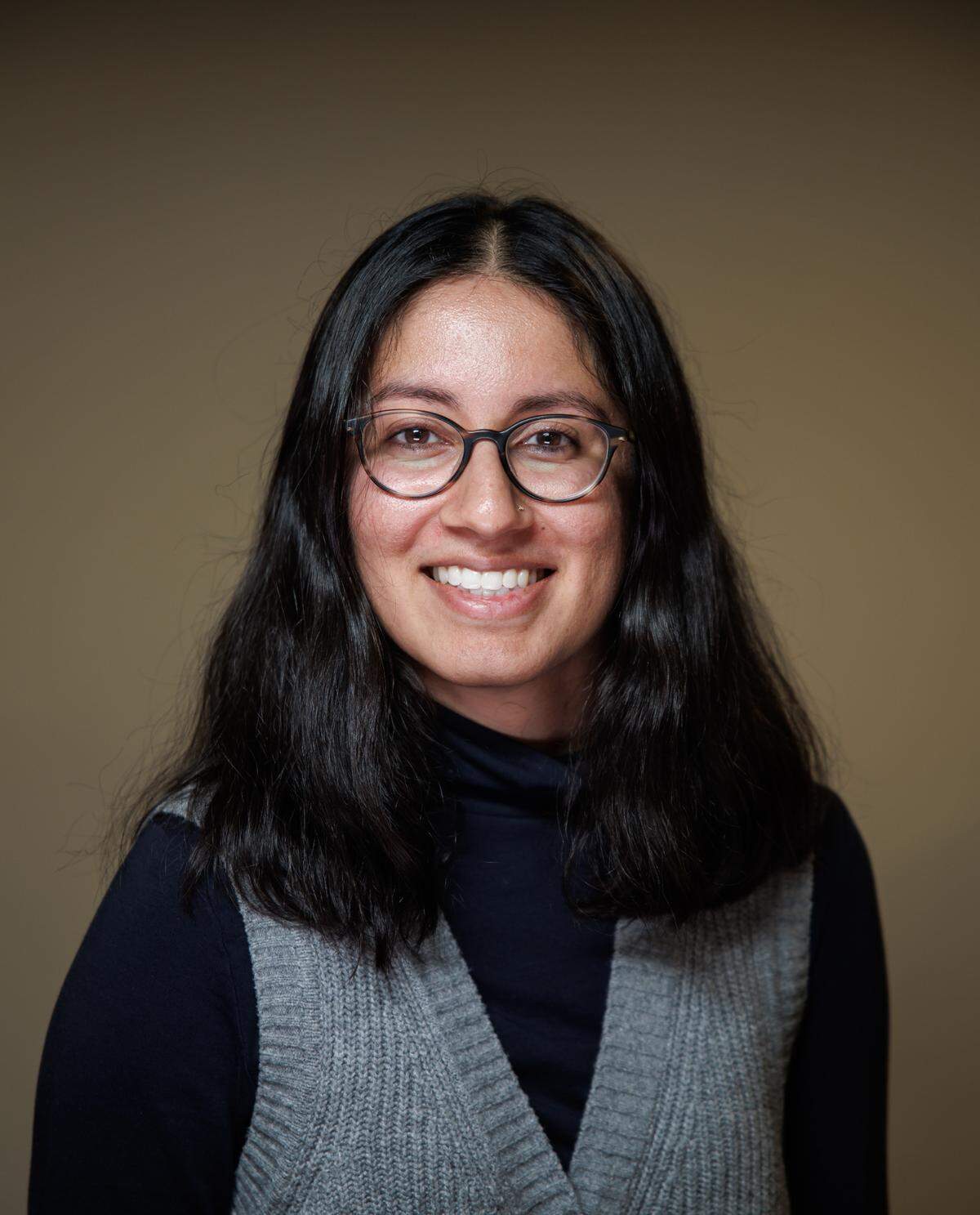
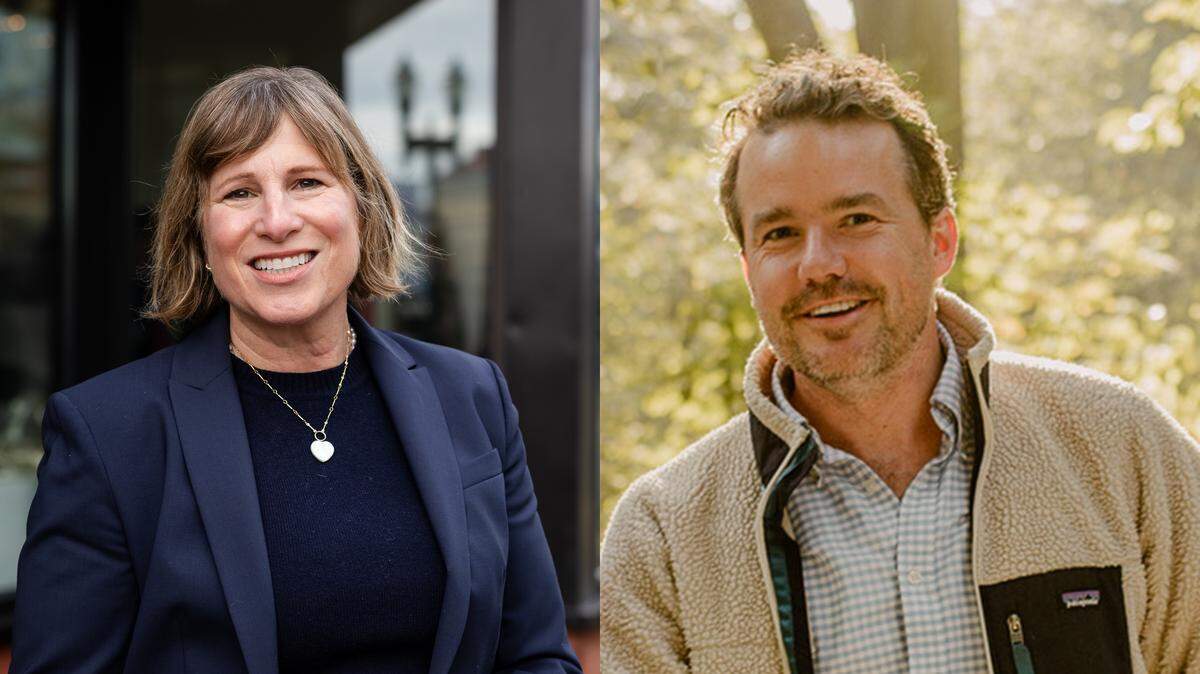
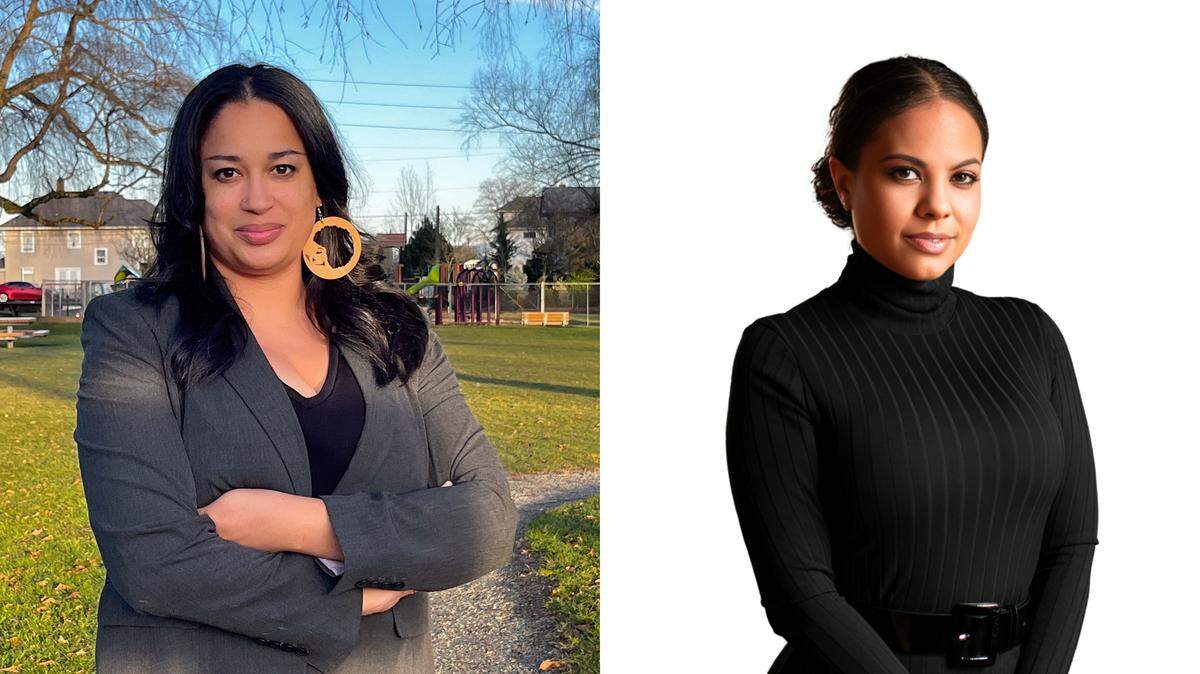
Position 6 candidates Jessica Johnston and Latasha Palmer have not served on the council before.
Palmer is endorsed by Daniels and has the backing of the United Food and Commercial Workers Local 367 and Tacoma For All. Johnston appears to have the support of players in the business and housing community in Tacoma, with endorsements from the Tacoma Pierce County Association of Realtors and the Master Builders Association of Pierce County.
Five candidates originally jumped into the race, but the primary whittled the list down to Palmer and Johnston. Palmer led the primary with 30.25% of the vote. Johnston and Krista Perez, the only candidate to receive outgoing Mayor Victoria Woodard’s endorsement, were neck-and-neck as Johnston received 20.64% of the vote and Perez 19.51%.
Palmer is at the top of the list in fundraising, having raised $48,174 as of Oct. 4 to Johnston’s $44,111.
The News Tribune sent all candidates for City Council and mayor the same 10 questions to respond to in the same time frame.
Here’s what Palmer and Johnston told The News Tribune:
What’s your full name and age?
Latasha Jenae Palmer, 38
Jessica Johnston, 44
How long have you lived in Tacoma?
Johnston: I’ve lived in Tacoma for nine years, mostly in the Hilltop neighborhood.
Palmer: 36 years
What is your favorite restaurant in Tacoma?
Palmer: Silk Thai
Johnston: Peterson Brothers 1111 is my favorite restaurant. It’s more than a place to eat, it’s where I feel connected to Tacoma. The atmosphere is warm and welcoming, the food and drinks are always excellent, and it’s where conversations with friends and neighbors often spark some of my best ideas. It feels like a true gathering place for the community.
Why do you want to be mayor/city council member?
Johnston: I’m running for Tacoma City Council because I believe in this city and in the people who call it home. Over the past nine years, I’ve been deeply involved in Tacoma’s civic and economic life — managing properties downtown and on Hilltop, serving as Vice President of the Downtown Tacoma Partnership and chairing the City’s Events and Recognition Committee. These experiences gave me a front-row seat to the challenges our city faces, from small businesses weighed down by red tape to families struggling with housing and safety.
My drive to serve comes from a family legacy of public service and from my own hands-on work in Tacoma. My grandfather was Pierce County Assessor in the 1970s, my mother spent decades working to expand opportunities through United Way, and I’ve carried that spirit forward in my own career.
I want to bring a thoughtful, compassionate voice to City Hall — someone who listens, builds trust and creates space for solutions that work. Tacoma deserves leaders who don’t just talk about problems but roll up their sleeves and solve them. My vision is a city that works better for everyone: safer neighborhoods, stronger local businesses and a government that is transparent and approachable. I’m running because I believe Tacoma’s best days are ahead, and I want to help us get there.
Palmer: I want to serve on the Tacoma City Council because my life experience and community leadership have prepared me to fight for a city where everyone has stability, security and a stake in our future. I grew up here, and I am raising my children here. As a single mother, caregiver and first in my family to graduate from college, I understand the struggles of working families trying to make it in Tacoma. Those lived experiences fuel my commitment to build a city that puts people first.
I am the only candidate committed to putting people, neighborhoods and Tacoma’s future ahead of special interests. That means keeping housing affordable, partnering with major employers to ensure every worker earns a living wage and supporting small businesses that keep our local economy strong. My focus is on practical solutions that make life more stable and affordable for families across the city.
I am also ready to govern on day one. My service on Tacoma’s Charter Review Committee gave me deep knowledge of how our city works and how to design solutions that are grounded in research and evidence. Every recommendation we made was built on national models and informed by the people in Tacoma who would be most affected. I have already been building partnerships with community leaders, unions and local business owners, and I will carry that collaborative, evidence-based approach to City Hall.
I want to be on Council because I know Tacoma can rise to meet this moment, and I am prepared to lead in a way that starts closest to home, block by block. Our neighborhoods have the expertise and the will to solve problems when City Hall gives them the tools and the voice to do so.
If elected, what issues would be your top priority?
Palmer: If elected, my top priority will be restoring trust and stability in Tacoma at a time when families are facing serious challenges. Our city is confronting a budget deficit, a growing homelessness crisis, uneven investment across neighborhoods and the impacts of federal systems that are failing to meet people’s needs. Many residents feel disconnected from their government, and that loss of trust is as urgent as any policy challenge.
To address this, I will focus on three core priorities. First, housing stability: we must keep people in their homes, create permanent affordability through community land trusts and social housing, and make sure development incentives strike a fair balance. They should encourage mixed-income housing and affordability but not hand out excessive profits to developers at the expense of residents. Second, economic security: I will champion family-wage jobs that build Tacoma’s future, like clean energy retrofits, climate-smart construction and workforce training pipelines, while ensuring local businesses have the support they need to succeed and keep dollars circulating in our neighborhoods. Third, neighborhood hubs: These will serve as centers of civic power, resource access and problem-solving. By giving residents a real seat at the table, these hubs will reduce reliance on crisis response while building stronger, more connected communities.
These priorities reflect my commitment to practical, community-based solutions. By investing in housing, jobs, and neighborhood hubs, Tacoma can weather today’s crises and emerge as a more stable, affordable and united city.
Johnston: My top priorities are affordable housing and homelessness, public safety, and building a thriving local economy.
On affordable housing and homelessness, I believe we need more low-barrier options that meet people where they are. Too many people fall through the cracks of systems that require sobriety or stability before help is given. I’ve seen the success of tiny home villages and community-centered housing models, and I’ll push for more of those solutions here in Tacoma.
Public safety is another core priority. I know firsthand how important it is to rebuild trust between Tacoma Police and our neighborhoods. That means investing in community engagement, expanding unarmed response options and making sure officers are supported and trained to serve with dignity and respect. Safety isn’t just about policing — it’s also about building connections and trust.
Finally, Tacoma’s economy is at the heart of so much. Small businesses bring culture and identity to our neighborhoods, and they need a city government that works with them, not against them. I’ll advocate for cutting red tape, reforming business fees and expanding workforce development programs so our local businesses have the talent they need to succeed.
Together, these priorities reflect my belief that Tacoma can be a place where everyone feels safe, supported and able to thrive.
Tacoma’s 311 line has received hundreds of thousands of inquiries since its genesis over 10 years ago. Today, it receives inquiries that largely fall in the following categories: abandoned vehicles on the street, people living on public property in a motorhome or vehicle, and illegal dumping on public property. What would be your plan to address those issues?
Johnston: The volume of 311 calls shows how much residents care about the livability of their neighborhoods. When people report abandoned vehicles, encampments in cars or RVs, or illegal dumping, they’re really asking for a city that responds quickly and effectively.
For abandoned vehicles, I’d push for better coordination between departments so cases don’t linger for weeks or months. Clear communication back to residents is just as important; it builds trust when people know their reports are taken seriously.
For people living in vehicles, we need safer, designated spaces with access to services. Criminalizing people who have nowhere else to go isn’t a solution. By working with nonprofits and faith-based groups, we can create parking programs that include case management and pathways to housing.
On illegal dumping, part of the solution is stronger enforcement, but another part is making disposal more accessible and affordable. When the city creates easier ways for people to get rid of large items, fewer end up in alleys and vacant lots.
Ultimately, the 311 system should be more than a complaint line. It should be part of a larger approach to customer service at City Hall, one where people see results, learn what’s being done and feel like partners in keeping Tacoma clean and safe.
Palmer: The calls that come through 311 are often symptoms of deeper problems. Abandoned vehicles, encampments and illegal dumping don’t just appear at random. They reflect a shortage of affordable housing, services stretched too thin and city systems that have not kept pace. If we only push the problem from one block to the next, we waste money without solving anything. We need to address the root issues while improving response in the moment.
For abandoned vehicles, this means setting clear service standards so residents know the city is accountable, while making sure Public Works has the staff to keep up. Community partnerships, like volunteer “block captains” who can help document and report issues quickly, can also reduce backlogs at little to no cost.
For people living in motorhomes or vehicles, enforcement alone is costly and ineffective. I support safe parking programs that partner with churches and community groups to provide managed spaces connected to housing navigation and mental health supports. This approach costs less than endless enforcement and helps people move toward stability.
For illegal dumping, prevention is key. Many cases come from the lack of affordable disposal options. Expanding free dump days, partnering with nonprofits for clean-ups and supporting adopt-a-block volunteers all reduce dumping while building neighborhood pride.
By tackling the roots and improving response, Tacoma can keep neighborhoods clean and safe without simply shifting problems somewhere else.
Are you in favor or against the workers bill of rights?
Palmer: In favor
Johnston: I support workers’ rights and fair treatment, but I believe policy needs to be crafted in a way that balances protections with long-term economic stability for Tacoma’s small businesses.
Do you believe the workers bill of rights belongs on the November ballot this year?
Johnston: Yes. Voters deserve the opportunity to weigh in on major proposals that affect both workers and businesses.
Palmer: Yes
If elected, what specific actions would you take to address the following issues: housing and homelessness, Tacoma’s budget deficit and public safety.
Palmer: If elected, my focus will be on prevention, addressing problems at their root so we aren’t constantly paying more to manage crises once they grow.
On housing and homelessness, prevention means urgent action and systemic change. In the short term, we must strengthen alternative response programs, reallocate shelter beds to better meet needs and expand Housing First models that quickly get people inside, while coordinating regionally so our city is not carrying this challenge alone. Stable housing also depends on more than shelter. Families need living-wage jobs, access to health care, and emergency assistance to cover costs like utilities before they fall into crisis. I support the Workers Bill of Rights because protecting wages and job stability reduces housing insecurity citywide. In the long term, Tacoma must build housing that stays affordable for generations through community land trusts and social housing.
On the budget deficit, prevention means using our dollars wisely. I know what to look for in a budget, not just line items, but whether spending produces real results for residents. I’ll ask tough questions, evaluate outcomes and make trade-offs transparent. We must cut waste from ineffective programs and invest more in what works. At the same time, we need fair revenue strategies that ensure large corporations and high-profit sectors contribute so small businesses and working families are not carrying an uneven share.
On public safety, prevention means reducing emergencies before they happen. That requires fully staffing, training and nurturing community partnerships with fire, police and public works to improve response times, morale and trust. It also requires addressing root causes such as unstable housing, untreated mental health needs and a lack of youth opportunities. By investing in neighborhood hubs that connect residents to resources and civic power, we can reduce crises while building safer, stronger communities.
Johnston: On housing and homelessness, I’d work to expand low-barrier shelter options like tiny home villages and push for adaptive reuse of vacant buildings. The city has too many properties sitting empty while people sleep outside. I want to reduce the red tape that prevents property owners from partnering on creative solutions.
For Tacoma’s budget deficit, transparency is key. Residents deserve to know why money is allocated the way it is. I’d advocate for prioritizing core services — public safety, infrastructure, and housing — while making sure grant-funded projects are better explained to the public. A more open process builds trust and ensures dollars go where they’re needed most.
On public safety, I believe in both accountability and relationship-building. It takes nearly two years to fully train a police officer, so while we invest in that pipeline, we should also expand unarmed crisis response and neighborhood-based safety programs. BIAs, for example, have been effective in providing trained security staff without weapons, and I’d like to see that model broadened.
Taken together, these actions would help stabilize Tacoma’s finances, give our most vulnerable neighbors a real path forward and rebuild the trust that makes neighborhoods feel safe and welcoming.
Is there anything else you’d like to add?
Johnston: Through all my work, I bring heart, hustle and a deep belief in people’s ability to create a more connected, inclusive and thriving city.
Tacoma is full of people who care deeply about their neighborhoods. I see it in small business owners who pour their lives into local shops, in volunteers who organize block parties and in families who want safer streets and better opportunities for their kids. My campaign is about lifting up that spirit and making sure City Hall reflects it.
I bring a unique mix of experiences to this role: managing historic properties, leading city committees, building consensus among business and nonprofit leaders and showing up consistently for Hilltop and downtown. I’ve learned that the best solutions come from collaboration, and I’ve seen how much stronger we are when we bring everyone to the table.
Tacoma has big challenges ahead, but I believe we also have everything we need to rise to meet them. With compassion, accountability and a willingness to listen, I’m ready to serve and to help build the city we know is possible.
Palmer: My leadership has always been about listening, building trust and bringing people together to solve tough problems. I grew up here, I am raising my children here, and I know that any one group or perspective cannot solve Tacoma’s challenges. They require collaboration across neighborhoods, businesses, labor, and city government.
My campaign has been rooted in independence and accountability. I have refused corporate donations that come with strings attached, because I believe Tacoma’s future should be shaped by the people who live and work here. Instead, my support has come from neighbors, local businesses, unions and community leaders who know I will always put people first. That independence matters because it ensures my only agenda is making life more affordable, stable, and safe for Tacoma families.
At the same time, I know real solutions require working with everyone, whether we have always agreed or not. My service on the Charter Review Committee showed me that when we ground decisions in research, evidence, and lived experience, we can bridge divides and move Tacoma forward. That is the approach I will bring to City Hall: principled, collaborative and focused on results.
Tacoma deserves leadership that is bold enough to take on tough issues, rooted enough to understand everyday struggles and practical enough to get things done. That is what I stand for, and that is the kind of councilmember I will be.
This story was originally published October 7, 2025 at 1:21 PM.