
Foraging for berries in Washington state? These common plants are poisonous
Spring has returned to the Pacific Northwest, which means Washingtonians are again venturing into the forests for hiking and foraging.
You may discover bushes of plump white berries while walking along the Evergreen State’s trails — but don’t eat them.
In fact, resist the urge to eat anything you pick while out in the Washington wilderness, unless you are 100% certain what it is.
Here’s what to know before you head out:
What’s the Berry Rule?
A common survival tip shared by foragers, known as the Berry Rule, reminds nature enthusiasts which berries are more likely to be toxic:
- Only 10% of white and yellow berries are safe to eat
- 50% of red berries are edible
- 90% of blue, purple and black berries are safe to eat
Washington State University magazine recommends using this easy-to-remember rhyming saying: “If it’s purple, black or blue, it’s probably good for you. If it’s red, you might be dead. If it’s white or yellow, it’ll kill a fellow.”
However, the Berry Rule isn’t foolproof and should only be used as a basic rule of thumb. The best way to stay safe while foraging is to be positive in your identification, using experts and other trusted resources.
What toxic plants and berries grow in Washington state?
There are several toxic berries and plants you may find while out in the Washington wilderness.
While they’re not the only potential dangers you might encounter, these nine species are important to avoid while foraging:
Baneberry: Actaea rubra, Actaea pachypoda
Both red and white baneberries are considered poisonous, though the red baneberry is more commonly found in Washington state.
According to experts, you can experience cardiac arrest and respiratory distress after eating as few as six berries.
While the entire plant is considered poisonous, the berries and roots are the most dangerous, according to the University of Wisconsin-Madison.
.jpg "950492542 (1).jpg")
Castor bean: Ricinus communis
The castor bean — which is technically a spurge, not a legume — grows as large shrubs and small trees. It contains ricin, a toxic chemical that can kill people with just a few seeds, according to the University of Wisconsin-Madison.
Castor beans aren’t often eaten fresh off the bush due to their tough exterior, which prevents the ricin from releasing. If chewed or ground up, the plant can be fatal upon consumption, according to the National Capital Poison Center.
Deadly nightshade: Atropa belladonna
While the entire deadly nightshade plant is toxic, the most dangerous part is the berries, according to The Spruce, due to their attractive purplish-black appearance.
The U.S. Forest Service says nightshade poisoning can cause an increased heartbeat, delirium, hallucinations, vomiting, respiratory failure and death.
English laurel: Prunus laurocerasus
Laurels are often used in landscaping as hedges, but many varieties have toxic leaves and berries, according to Hopes Grove Nurseries. The berries start out green and ripen to black.
Toxic laurel components contain hydrogen cyanide, which can cause minor irritation in small quantities, or respiratory failure and death in large quantities, according to experts.
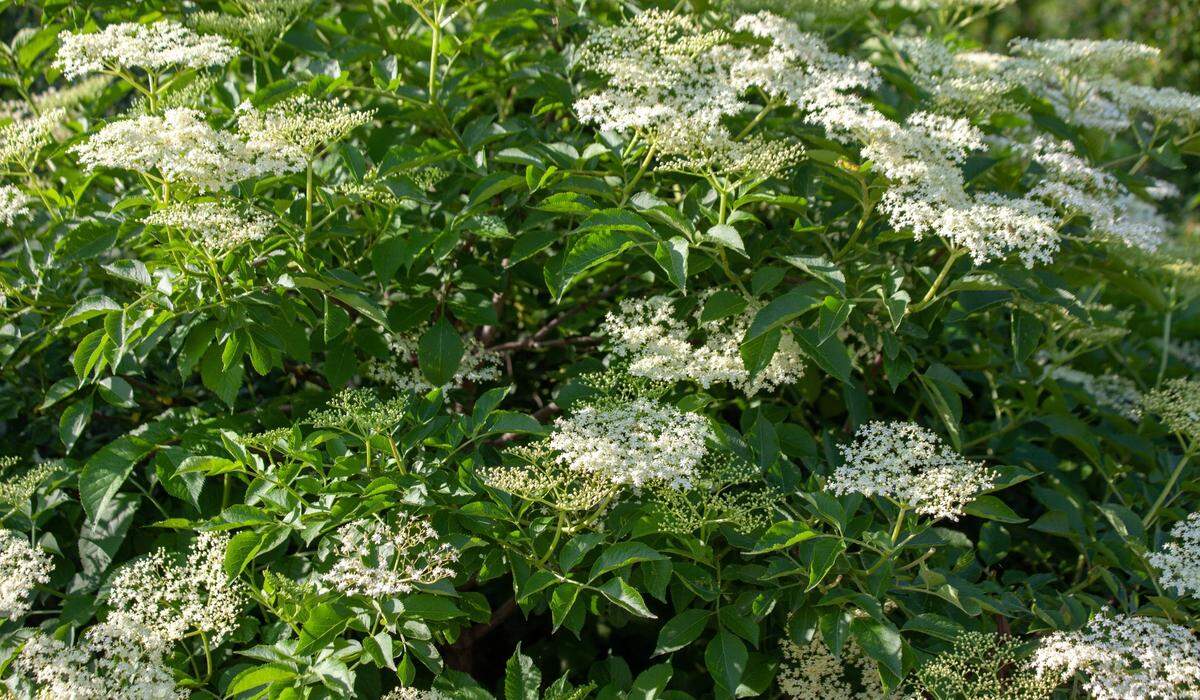
Elderberry: Sambucus racemosa
Several elderberry varieties are native to Washington state, including red, coastal red and black elderberries.
Berries grow on shrubs that can reach 20 feet in height, according to the Washington Native Plant Society.
The berries contain toxic seeds, but the toxicity can be cooked out.
It is also possible to remove the seeds and eat the berries raw, according to the University of Washington, but this must be done with caution. Other parts of the plant also contain cyanide.
Jequirity bean: Abrus precatorius
The jequirity bean, also known as a rosary pea, is an ornamental plant that produces highly poisonous red and black beans.
According to the National Capital Poison Center, there’s enough abrin to kill an adult in just one small bean.
Jerusalem cherry: Solanum pseudocapsicum
The majority of nightshade species are poisonous, including the Jerusalem cherry. Its fruits are about cherry-sized, hence its common name.
Jerusalem cherries grow on shrubs with dark green leaves, which makes the red, yellow and orange fruits stand out. Consuming the false cherry can cause gastrointestinal issues, seizures, respiratory depression and shock, according to the North Carolina Plant Toolbox.
Spurge laurel: Daphne laureola
An evergreen shrub, spurge laurel is considered invasive in parts of Washington state, according to the Washington State Noxious Weed Control Board.
The shrub has small, black berries, which are poisonous. The entire plant is toxic and can cause irritation on contact, according to the Noxious Weeds Blog in King County.
Yew berry: Taxus baccata
The entire yew berry plant is toxic, but the berries contain taxines, a poison that causes cardiac and respiratory failure, according to experts.
How does Washington state classify unsafe plants?
Some plants can cause irritation through its leaves, while its flowers or berries are safe. Meanwhile, other plants have poisonous fruits but harmless leaves.
You should always know exactly what plant you’re touching before you touch it in order to stay safe.
The Washington Poison Center categorizes unsafe plants across four classes:
- 1: Major toxicity that can cause death or serious illness
- 2: Minor toxicity
- 3: Oxalate toxicity, which is caused by a needle-like crystal in the plant that leads to irritation, throat swelling, breathing difficulties and an upset stomach
- 4: Dermatitis, with moderate-to-severe skin rash or irritations
Some plants may fall under multiple categories.
Other berries in Washington are considered poisonous under class two, meaning that you’d need to consume a large amount before seeing severe damage.
Some of these berries include the snowberry, holly berries, bittersweet nightshade and more.
What could I do if I eat or touch a poisonous plant?
If you come in contact with a poisonous plant, contact the Washington Poison Center by calling 800-222-1222 or texting 206-526-2121. You can also chat with a poison specialist via the Poison Center website.
According to the Washington State Department of Health, you should be prepared to answer certain questions when calling the Poison Center:
- What was ingested? How much?
- When was it consumed?
- Who took it? How old are they, how much do they weigh?
- What condition is the poisoned person in?
This story is based on previous coverage that originally ran in April 2023.
This story was originally published March 18, 2026 at 5:00 AM.