
This common garden plant is now illegal to buy or sell in WA. Here’s why

While strolling through the forest in Washington state, you may have spotted trees wrapped with thick green vines — or meadows carpeted with leaves.
This lush perennial plant isn’t native to the Evergreen State.
In fact, English ivy is considered a noxious weed that can have harmful effects on humans and animals as well as the environment.
Because of this, Washington state has strict rules about buying and selling ivy.
Here’s what to know:

What does English ivy look like? Where is it found?
English ivy and its cultivars, also known as Atlantic ivy or common ivy, has thick, waxy green lobed leaves with light veins that grow along trailing or climbing stems, according to the King County Noxious Weed Control Board.
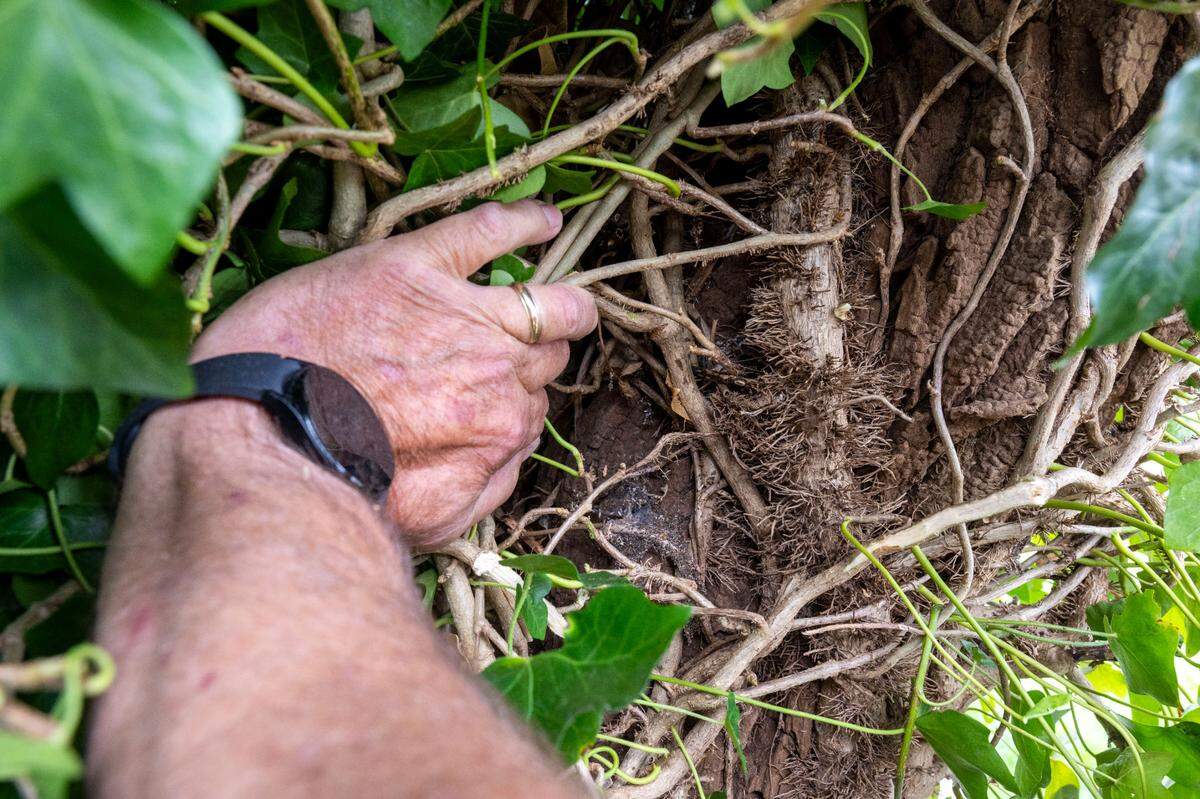
When this clinging vine “doesn’t have a support to climb, it grows as a groundcover,” the University of Maryland Extension said. “Instead of wrapping stems or tendrils around a support, the plant adheres to its support with root-like holdfasts on the stems.”
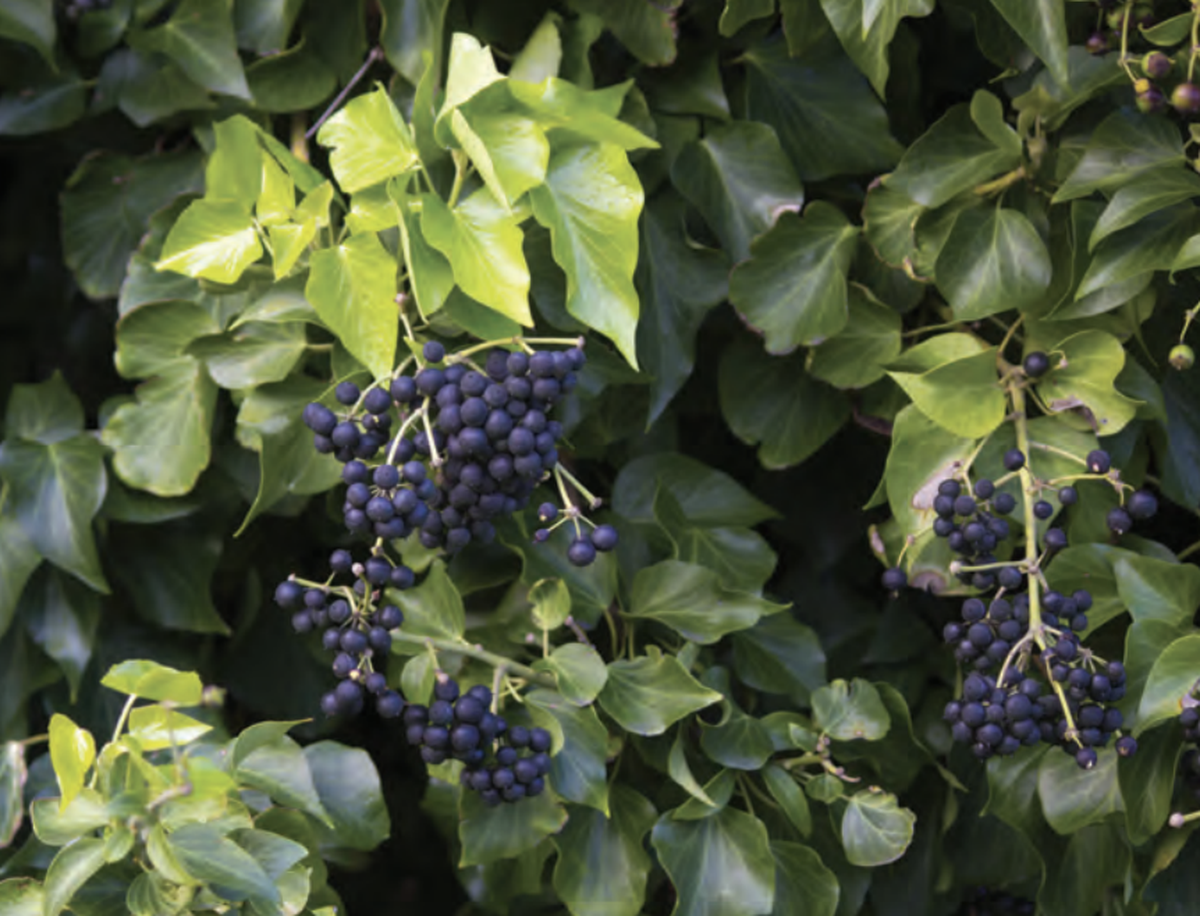
In the fall, ivy produces small yellow-green flowers that are followed by purplish black berries in the late winter or early spring.
Although these members of the ginger family have different scientific names, they’ve often all called English ivy, the King County weed control board said.
Ivy was brought to the United States as early as the 1700s, and marketed for decades as a “low-maintenance” option for gardeners, according to the Lewis Ginter Botanical Garden in Virginia.
“Ivy grows in a variety of landscaped areas,” from woodlands and the edges of forests to fields, hedgerows and coastal areas, the state Noxious Weed Control Board said. “It can grow in a variety of soil types and light conditions.”
Why is ivy considered a noxious weed in Washington state?
“Ivy can outcompete native plants,” reducing habitat for foraging animals, according to the Washington State Noxious Weed Control Board.
It prevents plants from growing in the understory and kills trees by shading them out.
Ivy may also cause storm damage to trees by adding weight to the canopy.
What’s more, sap from ivy stems can “cause skin irritations and rashes to sensitive individuals,” the state weed control board said. “Consuming large amounts of leaves and fruits can be toxic to people and cattle.”
English ivy was classified as a Class C noxious weed in 2002, the King County weed control board said, meaning that it “spreads beyond where (it’s) planted, is difficult to control and has an impact” on local landscapes.
Class C noxious weeds are widespread in the state or “of special interest to the agricultural industry,” McClatchy Media previously reported.
Is it illegal to buy or sell ivy in Washington?
In August 2025, the Washington State Department of Agriculture added English ivy to its quarantine list, aimed at preventing invasive plants from coming into the state.
That means it’s illegal to “transport, buy, sell” or distribute ivy or other plants on the prohibited plants list “into or within the state of Washington,” according to Washington Administrate Code.
You also can’t sell or distribute seeds of quarantined plants.
What should I do if I see invasive ivy?
If you spot English ivy in your backyard, experts say, you should remove it.
“Plants can successfully be pulled by hand or dug out,” the Washington State Noxious Weed Control Board said.
Ivy is easier to remove when soil is damp from rain.
You can also cut off vines growing on trees at “around waist to chest height,” the weed control board said, pulling away the lower part of the stems away from the base of the tree. “It will take some time but the leaves on the cut stems still in the trees will slowly die and fall off.”
“Burning plants repeatedly with a blow torch can eventually deplete the plant’s energy,” the state Noxious Weeds Control Board said.
Experts recommend wearing gloves and protective clothing to protect your sensitive skin.
The Whatcom Millions Trees Project hosts work parties where volunteers can help dig up overgrown ivy roots in local forested areas.
If you spot ivy in a plant store or nursery, you can report it to the Noxious Weed Control Board and the area’s nursery inspector can follow up, the board told McClatchy Media in an email.
This story was originally published May 5, 2026 at 5:00 AM with the headline "This common garden plant is now illegal to buy or sell in WA. Here’s why."