
How did Groundhog Day get started? What to know about annual tradition
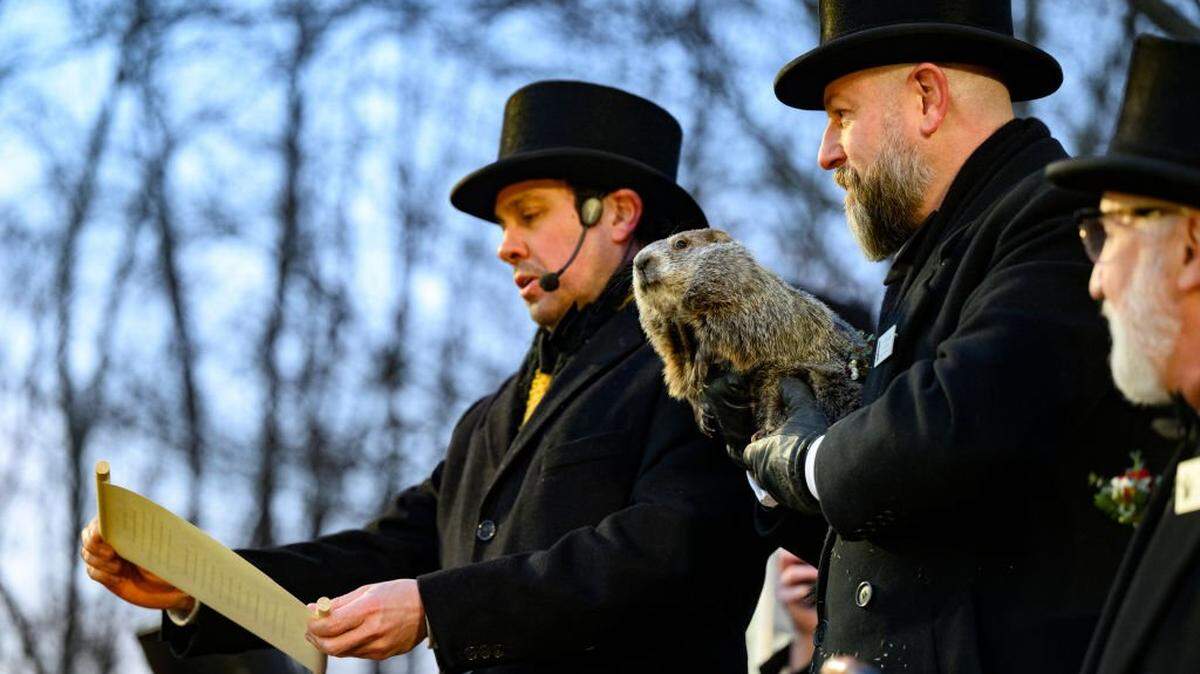
When German immigrants came to the United States, they brought a weather-predicting tradition with them.
According to German lore, if a hedgehog saw its shadow on Candlemas Day in February it forecast six more weeks of winter to come, The Punxsutawney Groundhog Club said.
Hedgehogs aren’t native to North America, so newly arrived Germans turned to groundhogs for their weather prognostications instead.
Here’s what you need to know about Groundhog Day:
When is Groundhog Day in 2026?
In 2026, Groundhog Day falls on Monday, Feb. 2.
What are the origins of Groundhog Day?
Canlemas Day began as a Catholic tradition in which people took their candles to church to be blessed and used through the rest of the year, according to The Punxsutawney Groundhog Club.
As time went by, the day took on a weather forecasting aspect, as mentioned in an English folk song:
If Candlemas be fair and bright, Come, Winter, have another flight; If Candlemas brings clouds and rain, Go Winter, and come not again.
While the song mentions no animals, the tradition became associated with hedgehogs in Germany, later transitioning to groundhogs in the United States.
The most famous weather-predicting animal, Punxsutawney Phil, resides in Punxsutawney, Pennsylvania. Groundhogs have been forecasting the end of winter there since 1886.
2026 will mark the 140th annual event in the community.
How does Punxsutawney Phil forecast work?
If Punxsutawney Phil sees its shadow after emerging from hibernating in its burrow, it’s supposed to predict six more weeks of winter. If not, it’s said to predict an early spring.
In 2025, Punxsutawney Phil saw his shadow, forecasting six more weeks of winter.
What did Punxsutawney Phil predict in 2026?
Punxsutawney Phil saw his shadow on Monday, Feb. 2, indicating six more weeks of wintry weather.
Are there other weather-predicting animals?
Yes. Many communities across the United States have their own Groundhog Day celebrations, especially in the Northeast, according to Countdown to Groundhog Day.
In some cases, the groundhogs are taxidermied specimens.
Other weather prediction ceremonies center on different animals, including cats, guinea pigs and gophers.
How does Washington state observe Groundhog Day?
Groundhogs aren’t native to Washington state, so some cities have gotten creative for Groundhog Day observations.
Prognosticating critters have included Seattle Sue the stuffed beaver and Snowy the prairie dog in Pend Oreille County, according to Countdown to Groundhog Day.
The city of Snohomish puts its own twist on the holiday, calling it Groundfrog Day and using frogs instead of groundhogs to predict the weather.
In 1960, a reporter with the Seattle Post-Intelligencer checked in with a “different sort of subterranean creature” — interviewing employees with the Seattle Engineering Department that were working in an underground control chamber, the Museum of History and Industry said in a 2025 Facebook post.
A photo from the Post-Intelligencer shows tunnel tender Bruce Gordon peering up through a manhole on Groundhog Day.
“We are the only groundhogs with an address,” the engineers reportedly said.
This story was originally published February 2, 2026 at 5:00 AM.