Filipinos headed for ghastly ‘human zoos’ at the 1904 World’s Fair docked in Tacoma
It’s an incredible project, revealing a horrifying chapter of United States history. Roughly a century later, there’s still so much we can learn from what transpired.
The first step, of course, is simply knowing that it happened — which, as is so often the case, is where the investigative reporters stepped in.
Like many readers, I was floored by the story of brutality and exploitation at the heart of the Washington Post’s recent series on the Smithsonian’s complicated history of collecting and preserving human remains.
In particular, the paper’s investigation focused on the museum’s “racial brain collection,” which was launched in 1903 under the direction of Ales Hrdlicka, an anthropologist and curator working for what would later become the U.S. National Museum.
Hrdlicka believed white people were superior to other races, reporting by Nicole Dungca, Claire Healy, Ren Galeno and Andrew Ba Tran reveals, and in an effort to prove his long since debunked theories collected body parts from around the world — mostly from Black, Indigenous people and other people of color.
The vast majority of the remains — including mummies, skulls, teeth and more than 200 human brains — were collected without consent.
As terrible as all of that is — and, frankly, it’s beyond the pale — it was a small Tacoma angle that stopped me in my tracks.
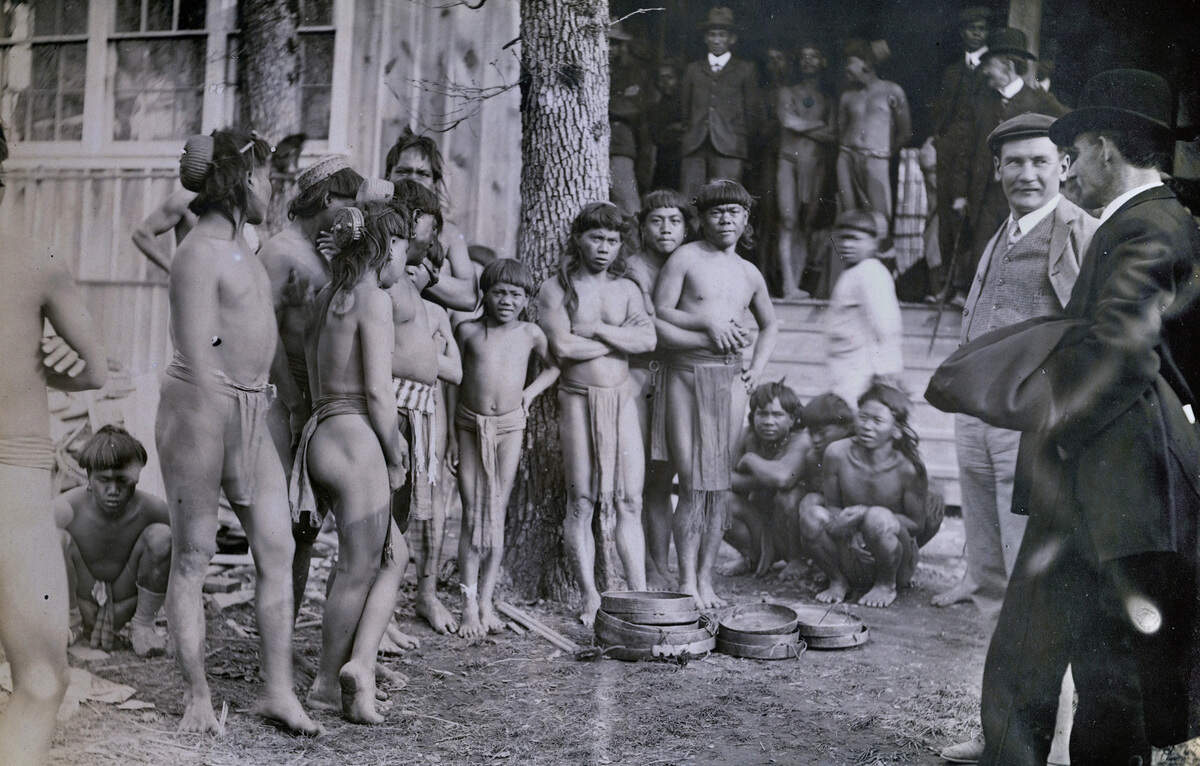
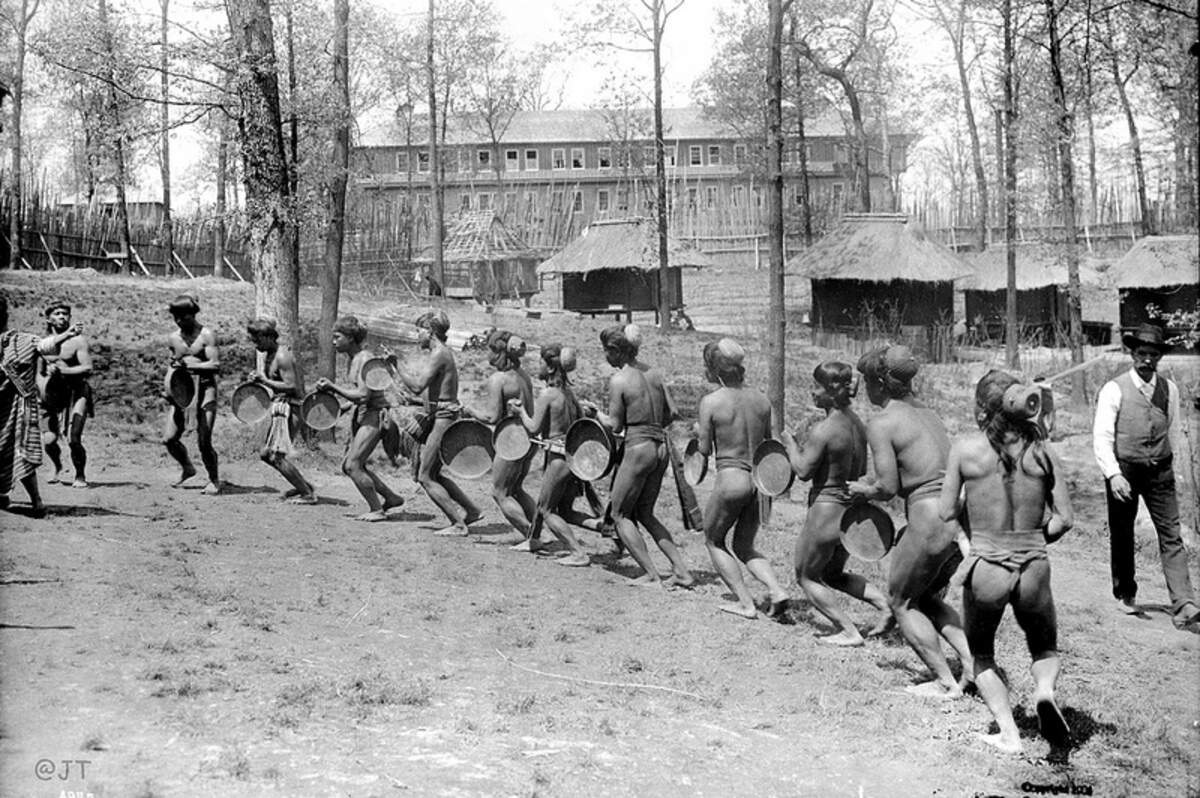
Tucked within a powerful piece in the multi-part series — which set out to tell the story of Maura, a young woman from the Philippines who was one of many Filipinos shipped off to the U.S. to be put on display at the 1904 World’s Fair in St. Louis as part of an exhibit now known infamously as a “human zoo” — two simple sentences hit particularly close to home.
Maura and hundreds of other Filipinos docked in Tacoma, arriving on two large ships, the reporting indicated.
Recruited by U.S. officials stationed in the Philippines, some were convinced and in some cases eager to make the trip; others were likely misled.
Ultimately, parts of Maura’s brain were taken by U.S. researchers after her death.
As a piece of the much larger story about U.S. colonialism and the horrors it has justified it’s just a blip; Maura and her shipmates stayed in Tacoma only long enough to be “greeted by hundreds of curious locals,” the WaPo noted, before being loaded onto a train and embarking on a grueling five-day journey to St. Louis that ultimately claimed two lives.
Still, according to Vicente Rafael, a professor of history at the University of Washington who specializes in Southeast Asia and the United States, and in particular comparative colonialism and empire, there’s much to glean from the hidden history Maura’s story helps to illuminate — including here, where she first stepped foot on continental U.S. soil.
“The idea was to highlight the difference — and to take that difference as something proof-positive that those the U.S. had conquered were somehow inferior to the majority white population of the United States. It was a racial project,” Rafael said by phone last week, describing the practice of staging exhibits at World’s Fairs and other large gatherings that put people of color on display, often describing them as “savages” from a strange and mysterious land.
Rafael said the practice was commonplace at the time, including five years later at the Alaska-Yukon-Pacific Exposition in Seattle.
“It was meant to prove a point, which was that American people were not only inherently superior, but we’re entitled to dominate the world and dominate its people, because of their superiority,” Rafael told me.
“It’s called American exceptionalism, and … I think you still hear it every time people say the United States is the best country in the world,” he added.
“Just think about that for a second, right?”
As Rafael suggests, let’s stop here for a moment because some readers will likely be triggered by the connection he draws between racial atrocities of the past and the types of ostensibly patriotic slogans now mindlessly bandied about during Fourth of July cookouts. There’s no avoiding it.
Still, there’s also no denying that the professor raises a point that’s worth earnestly grappling with — no matter how uncomfortable it might be.
This isn’t about vilifying the United States or pouring salt on old wounds or trying to make anyone feel bad about where they’re from or how they were raised.
Rather, it’s about looking at the ways most white Americans thought about their place in the world and people who were different from them 120 years ago — including the language they used and the ingrained superiority it was based on — as a way to contextualize the lingering racial inequities we see today.
Sure, a century seems like a long time, but the deep-seated and lasting impact of things like American exceptionalism, slavery and manifest destiny reverberate today, Rafael said, including the insidious harm of subconscious stereotypes and white colonial savior worldviews passed down over generations.
Until we come to terms with the country’s history, there’s no way to move forward together, he said — and no way to heal.
“There’s a very interesting kind of paradoxical situation. On one hand, you want (people displayed in human zoos) to exhibit their savageness. You want them to make plain the fact that they are somehow less than us,” Rafael said.
“But on the other hand, you want to save them. You want to make them more like us.”
A ‘peculiar lot’ arrives in Tacoma
After discovering the WaPo’s evocative profile of Maura and her journey, including her brief time in Tacoma, I reached out to the Tacoma Public Library’s Northwest Room, home to an extensive archive of newspaper clippings and other materials documenting the city’s history.
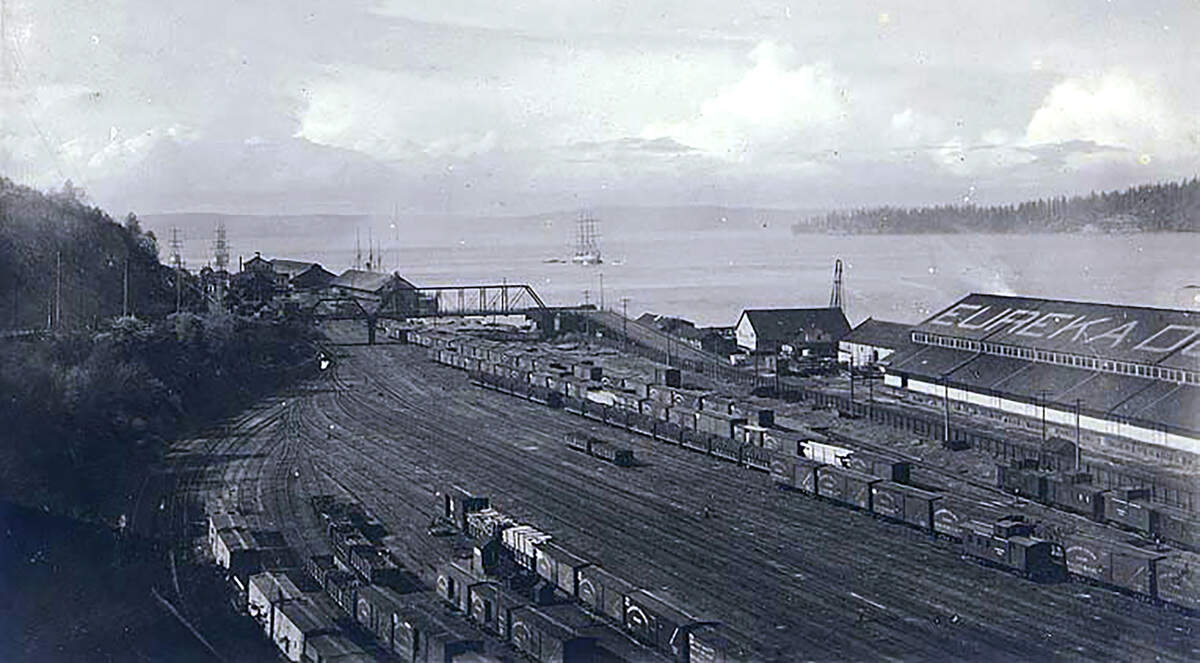
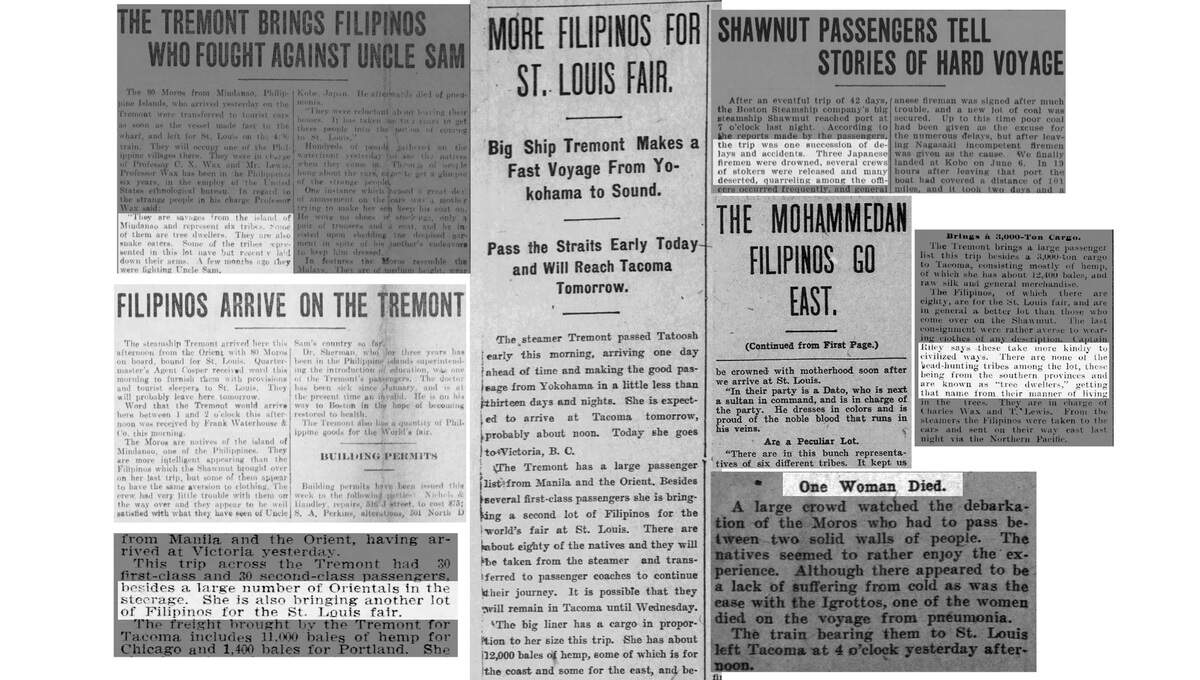
As the WaPo’s reporting suggested, people here were enthralled by the arrival of the two ships — the Tremont and the Shamut — carrying dozens of Filipino tribal members from six different tribes, according to one published account.
Tacoma’s curiosity was fueled by the local media of the time, including reporters with The News Tribune, who breathlessly described the ships’ passengers as “savages” with bizarre and curious customs — or, as one story described them, “a peculiar lot.”
A two-line announcement in the Tacoma Daily Ledger put it this way: “The steamship Tremont will arrive on Tacoma today with a big cargo of hemp and a few score of Filipinos en route to the exposition. Keep your pet dogs chained up.”
“The Moros are natives of the island of Mindanao, of the Philippines. They are more intelligent appearing than the Filipinos which the Shawmut brought over on her last trip, but some of them appear to have the same aversion to clothing,” a separate account from the Tacoma Times on April 24, 1904 noted.
“The crew had very little trouble with them on the way over, and they appear to be well satisfied with what they have seen of Uncle Sam’s country so far,” the story added.
Kristin Ang, a 44-year-old Port of Tacoma commissioner who immigrated to the United States from the Philippines as a young child, didn’t know Tacoma played a small supporting role in the exhibition of Indigenous Filipino tribal members at the 1904 World’s Fair.
She’d certainly heard about the horrors of the fair’s “human zoo,” and the way natives from her birth country were dehumanized for spectacle, but the new information was “shocking,” she acknowledged.
Except for the part that wasn’t, Ang quickly pointed out.
“It was so ghastly. The fact that they put all that effort into transporting people to be demeaned in front of a crowd — demeaned and humiliated — to justify the war, and to justify colonization and prove their superiority. It boggles my mind sometimes how humans can treat one another so poorly, and how they do mental gymnastics to justify what they’re doing,” Ang told me.
“Yet, I’m also not surprised. I guess that’s the thing,” she continued.
“Even when I ran for office, I would get emails or comments on Facebook using words like ‘subhuman.’”
‘America’s promise’
Despite the traumatic impact of reading the WaPo’s coverage of Maura and coming to terms with Tacoma’s role in what transpired, Ang told me she’s glad it’s a story that’s now out in the open.
Seeing it documented in a major national newspaper helps to fill in the gaps of a history that’s largely been obscured and intentionally hidden, she said.
It also helps to respect and honor those who made the trip, she told me — and restore their humanity.
“I say the past is never past; you have to acknowledge and reconcile your history to address some of the issues that are happening today — as well as to fulfill America’s promise,” Ang said.
“There’s also a spiritual element to this that I think gets lost,” she continued.
“Just to recognize what happened happened to these individuals. That’s important, too.”
Tamiko Nimura, a local writer and historian who has extensively documented Tacoma’s long history of mistreating Asians and Asian Americans in her work — including co-writing a graphic novel on the internment of Japanese Americans during World War II — was also taken aback, at least momentarily, by what the Washington Post discovered, she said.
She hopes the series will resonate with other readers, she told me, and in particular those encountering these stories for the first time.
Facing truths like what happened to Maura and Filipinos like her can be difficult for some people, Nimura acknowledged, and for others, it can feel like ancient history that hardly makes a difference today.
But there’s power in knowing, and humanity in finally being seen, she told me.
And without reckoning, there can be no true redemption.
“This is not just thinking about the bad stuff,” Nimura said.
“This is about how we build a better future from a more complete version of the past.”
This story was originally published September 6, 2023 at 5:00 AM.