It’s one of Pierce County’s unhealthiest places. A local man wants to change that | Opinion
Blue Zones are having a moment. It’s official — including here in Pierce County.
You might be familiar with the books, written by American National Geographic fellow Dan Buettner. Buettner’s series dates back to 2008, putting into words the key takeaways from his extensive reporting on life expectancy, and more specifically people who live an unusually long time.
Buettner first popularized the term “Blue Zones” to describe regions of the world where this most often occurs, focusing on areas with an above-average number of centenarians. He traveled to places like Greece, Japan, Costa Rica, Italy and California to discover the local secrets to long life. Eventually, he landed on nine specific lifestyle traits that people living in Blue Zones commonly share — spanning everything from diet and physical activity to the importance of relationships and strong family bonds.
Fast forward more than a decade: Buettner’s books became best sellers, spawning not just sales but a full-blown self-help movement. The underlying principles of Blue Zones have been adapted for the kitchen, endorsed by Oprah and described as a pathway to mental health and happiness. Earlier this year, a multi-part Netflix documentary dropped. In short, Buettner did insightful work, found an eager audience and turned all of it into an industry.
By the time the dust settles, that might pale in comparison to the much larger impact that the Blue Zone movement makes on people far and wide.
This brings us to Parkland, and a small office on the campus of Pacific Lutheran University.
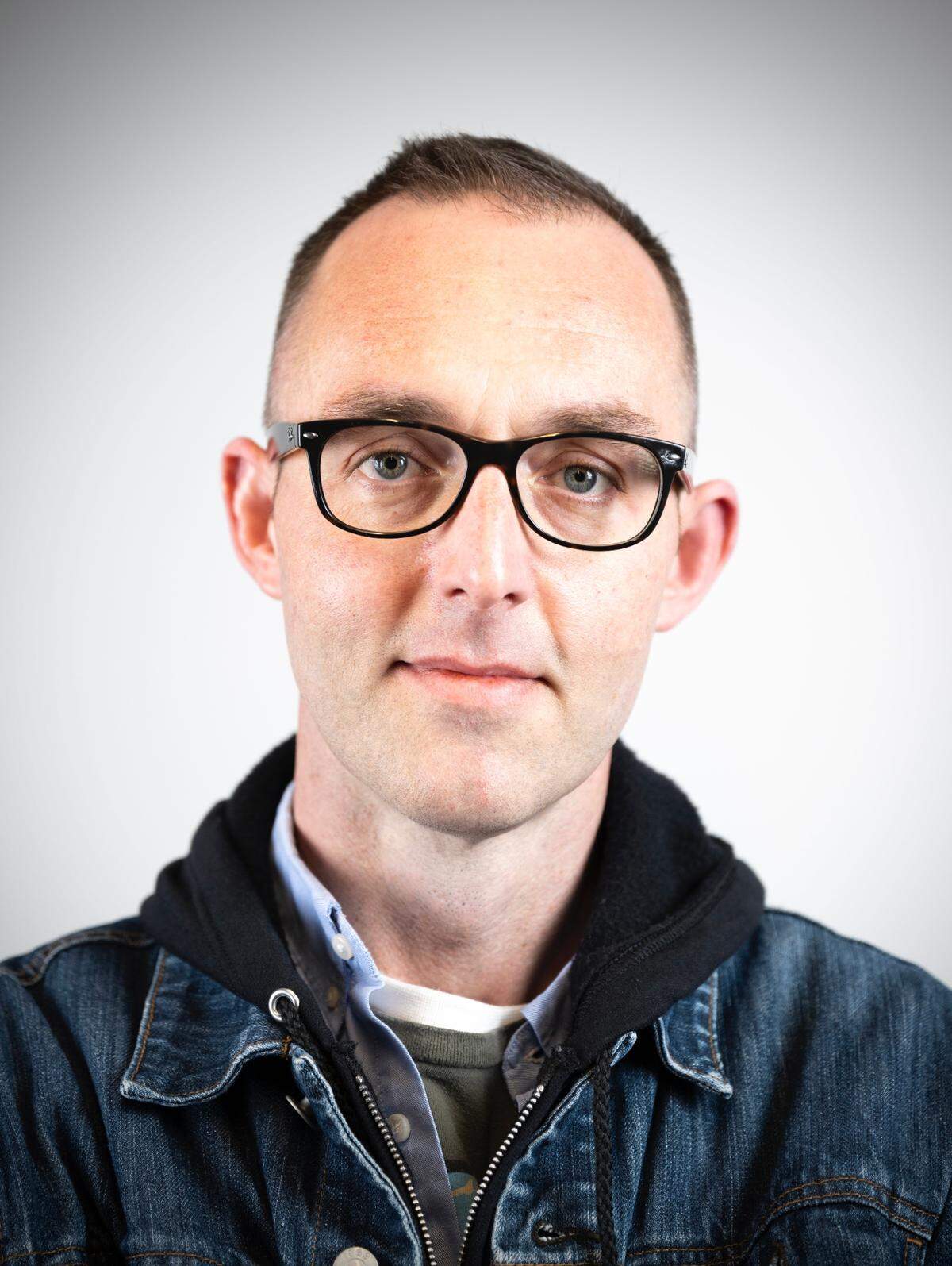
It’s where Tono Sablan, a 27-year-old PLU grad who grew up in the area, is trying to bring Blue Zone principles — and the healthier, happier lives they promise — to a part of unincorporated Pierce County that desperately needs it.
Late last year, Pierce County, MultiCare and Virginia Mason Franciscan Health launched an official Blue Zone Project in Sablan’s community. It’s a fitting — and challenging — place to start.
Pierce County has recently ranked toward the bottom half of Washington’s 39 counties in overall health outcomes, and local assessments conducted by Tacoma-Pierce County Health Department have identified the Parkland-Spanaway area as one of the unhealthiest places to live.
“We have among the most disparate health outcomes in the county here in Parkland and Spanaway,” said Sablan, who moved to the area in fifth grade with his middle-class parents and graduated from Franklin Pierce High School.
Communities across the United States — including Fort Worth, Texas, where overall well-being index scores have jumped and there’s been a 31% decrease in smoking — have also endorsed the concept and launched localized Blue Zone Projects in recent years.
Many are similar to Pierce County’s, with local governments, nonprofits and healthcare providers collaborating to create the community-based programs, policies and infrastructure necessary to help people live longer and more fulfilling lives.
Sablan was hired as executive director to lead the Parkland-Spanaway Blue Zone Project late last year. The program’s four-year contract began in September, and the first nine months were spent building a small staff of five and conducting community conversations and leading focus groups.
With his team now in place, Sablan is excited for the work ahead and realistic about what it will take.
“Where I’m from — where my neighbors live— we’ll live up to 10 years less on average than anywhere else in Pierce County. That is incredibly concerning to me as a resident, and somebody who doesn’t plan on leaving,” Sablan told me.
“So we’re really energized, waking up every morning and trying to make some progress on that.”
How will the Blue Zone Project work?
You don’t have to be a Blue Zone expert to understand why people in Parkland and Spanaway consistently struggle more than their neighbors to lead long, healthy lives.
You can see it.
When you’re there, you can feel it.
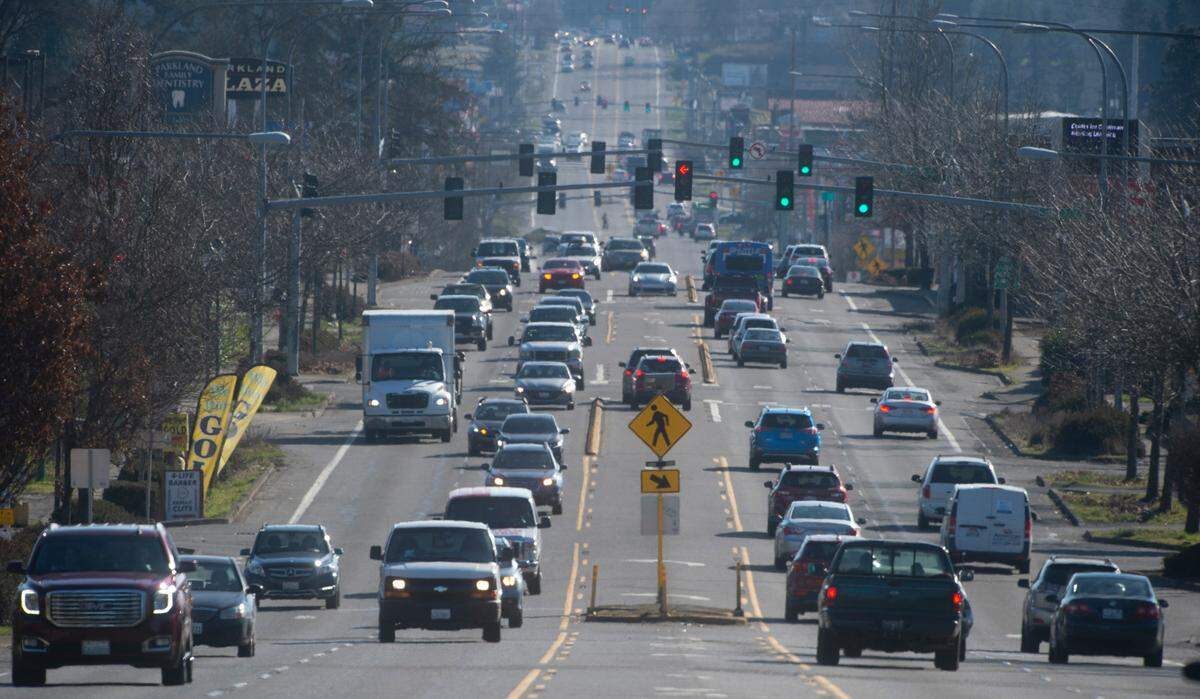
Thanks to decades of lax zoning and a host of other socioeconomic challenges in Parkland and Spanaway, it’s harder to be active, harder to eat well, and residents of the area — like Sablan’s friends, families and neighbors — are regularly exposed to more pollutants and stressors.
In addition to lower life expectancy, the rate of heart disease in Parkland is higher than anywhere else in the county, while fewer people living in the area hold a high school diploma, college degree or a job, according to health outcome data collected by Tacoma-Pierce County Health Department.
Local health department officials also report that people living in Parkland are up to two- to three-times more likely than the countywide average to be burdened by housing costs and live below the federal poverty level. Fewer people have health insurance, while they generally smoke more and have less access to prenatal care. According to TPCHD spokesperson Kenny Via, there’s “limited evidence of lower birth weights” in the Parkland area — though there’s not enough data to be definitive, he stressed.
All of it adds up, Sablan told me.
“The reason why folks are so unhealthy, more often than not, is because they’re living in an environment that doesn’t support health. If you’re unhealthy in the United States, that’s likely not 100% because you’ve made bad choices. It’s because you’re in a community that doesn’t support living a healthy lifestyle,” Sablan said. “In Parkland and Spanaway, good luck trying to be a pedestrian because we don’t have sidewalks. It’s unsafe to be a bicyclist, and in our area we don’t have the same access to healthy and nutritious foods at affordable prices that other parts of our county do.”
Broadly, local Blue Zone projects rely on the key takeaways of Beuttner’s work — ultimately helping people to lead sensibly active lives, eat better food and establish stronger ties with the people around them.
As NPR’s Allison Aubrey aptly noted last month, at “a time when life expectancy in the U.S. has dipped and diet-related disease is a leading cause of death, it’s no wonder that Dan Buettner’s decades-long exploration … is attracting lots of attention.”
Of course, in Parkland and Spanaway, applying Blue Zone principles will be easier said than done. Sablan told me the local project he oversees will follow an extensive strategic plan unveiled in August — which was informed by local polling — and focus on three straightforward policy objectives: improving the built environment so people can naturally lead healthier lives while also working to reduce the use of tobacco products and alcohol.
Some of it seems small, like offering free screenings of the Blue Zones Netflix documentary and organizing walking groups, cooking classes and book readings.
Other aspects will be far more challenging, Sablan said, like working with large employers, area schools and local decision makers to develop and promote policies that have a lasting impact.
Ultimately, Sablan hopes that everything from parks and sidewalks to the type of foods and activities people have easy access to will be improved as a result of the Blue Zone project — for years to come.
In the short-term? Sablan acknowledged there will be cynicism to contend with. It’s a feeling he knows well, given his history in the area.
As Pierce County Council member Jani Hitchens told The News Tribune last year, “People have come into Parkland-Spanaway many times and said, ‘We want to do X, let’s talk about it,’ and then not delivered.”
Speaking by phone from his small office, not far from where he grew up, Sablan told me he sincerely believes in Blue Zones.
He’s confident this project will be different.
“I was not an immediate adopter. I think many of us in Parkland and Spanaway are healthy skeptics. I get why someone might look at this and think it’s the flavor of the month,” Sablan said.
“What helped me really buy into this is that we will change policy long term in Parkland and Spanaway,” he told me.
“Folks who live in this community will be positively impacted by our work, no matter what.”
This story was originally published October 5, 2023 at 8:33 AM.